

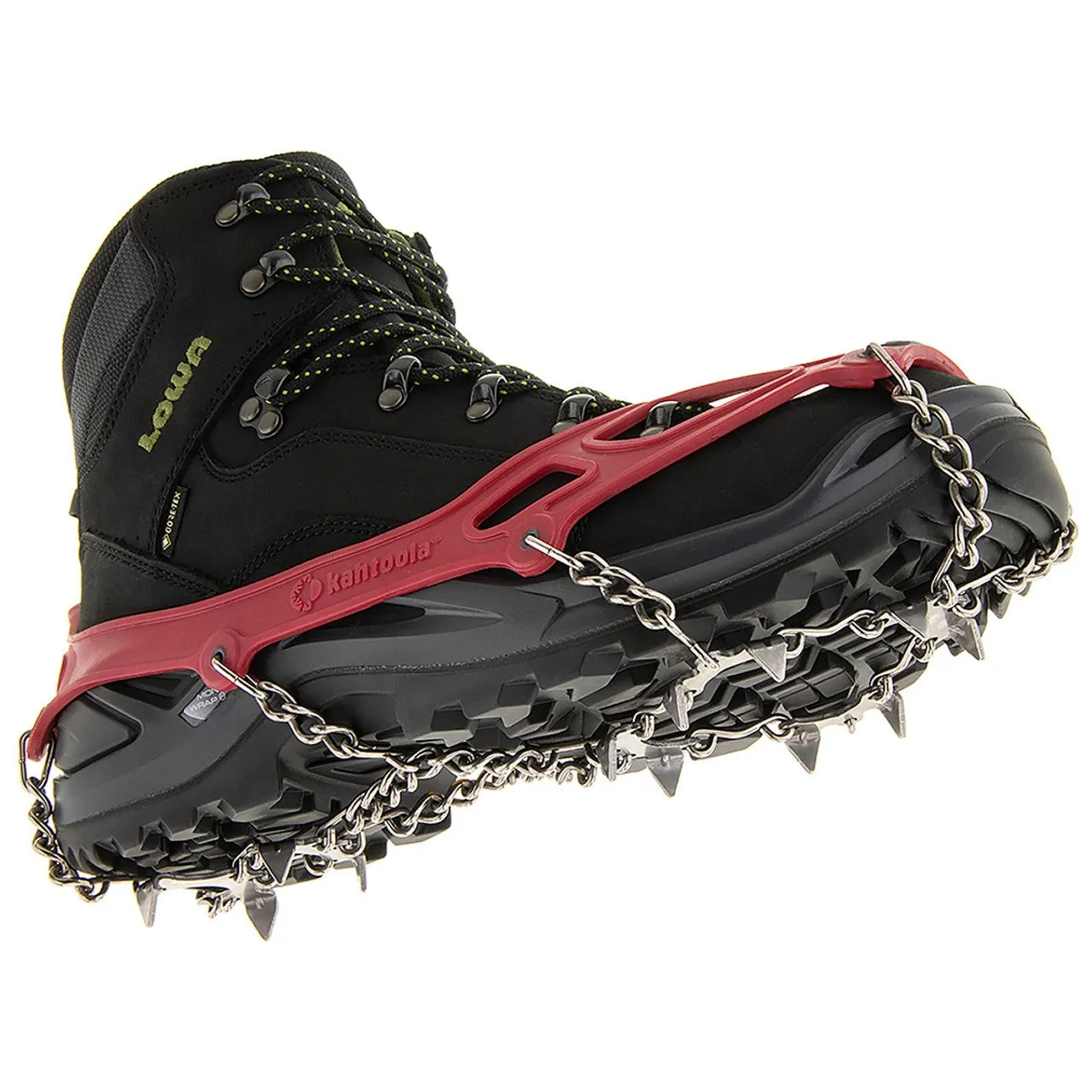
Snow Chains for Boots: The Ultimate Guide to Winter Traction Devices 2025
Discover the breathtaking wilderness of Glacier National Park through this comprehensive insider's guide. From my personal adventures hiking over 200 miles of trails to essential planning tips for 2025, I'll share everything you need to know about Montana's spectacular "Crown of the Continent." Whether you're seeking challenging backcountry adventures or family-friendly scenic drives, this guide covers it all. Visit NatureGuests.com for more outdoor adventure guides.
Planning Your Visit to Glacier National Park
Planning a visit to Glacier National Park takes thoughtful preparation, particularly with the new 2025 reservation system now in effect. Having explored the park more than a dozen times, I’ve found that the key to a smooth trip is starting your planning several months ahead. Spanning over one million acres along the Montana–Canada border, the park showcases an extraordinary range of landscapes, from alpine meadows to crystal-clear lakes.
2025 Vehicle Reservations - Critical Update
Starting in 2025, Glacier National Park requires advance vehicle reservations for Going-to-the-Sun Road from June 13 to September 28, between 7 AM and 3 PM. These $2 reservations are released 120 days in advance at 8 AM MST, with additional slots available the day before at 7 PM MDT. I recommend setting calendar reminders for these release dates as they sell out quickly.
The park offers five distinct areas to explore: Going-to-the-Sun Road corridor (the most popular), Many Glacier (my personal favorite for wildlife), Two Medicine (quieter and family-friendly), North Fork (remote and wild), and Goat Haunt (accessible only by boat or foot). Each area has its own character and attractions, so choosing the right base depends on your interests and hiking ability.
Essential Navigation Tool
The National Geographic Trails Illustrated Map for Glacier National Park has been my constant companion on every visit. This waterproof, tear-resistant map shows detailed trail information, elevation contours, and backcountry campsites that digital maps often miss.
Get the Official Park Map on AmazonAccommodation booking requires equal planning attention. Park lodges typically open reservations 13 months in advance, and popular properties like Many Glacier Hotel fill within hours. I've found that staying outside the park in communities like West Glacier, Whitefish, or St. Mary often provides better value and availability, though it requires driving to access trailheads.
Best Hiking Trails and Adventures
Glacier National Park contains over 700 miles of maintained trails, ranging from easy lakeside strolls to challenging alpine routes. After hiking extensively throughout the park, I've identified trails that showcase the park's diverse beauty while accommodating different skill levels. The park's trail system connects visitors with 26 active glaciers, over 700 lakes, and some of the most pristine wilderness in North America.
Easy Trails for Families and Beginners
The Trail of the Cedars features a 0.7-mile wheelchair-accessible boardwalk winding through old-growth cedar and hemlock forests. It also links to the more demanding Avalanche Lake trail, making it a great choice for groups with varying abilities. From Logan Pass, the Hidden Lake Overlook offers breathtaking mountain scenery with just 460 feet of elevation gain over 2.8 miles, though parking typically fills by 8 AM during peak season.
Moderate Adventures for Active Hikers
The Highline Trail represents Glacier's crown jewel hike. This 11.8-mile point-to-point trail follows the Continental Divide with minimal elevation gain but maximum scenic impact. I've completed this trail eight times, and each experience reveals new wildlife sightings and photographic opportunities. The trail begins at Logan Pass and ends at The Loop, requiring shuttle coordination or car spotting.
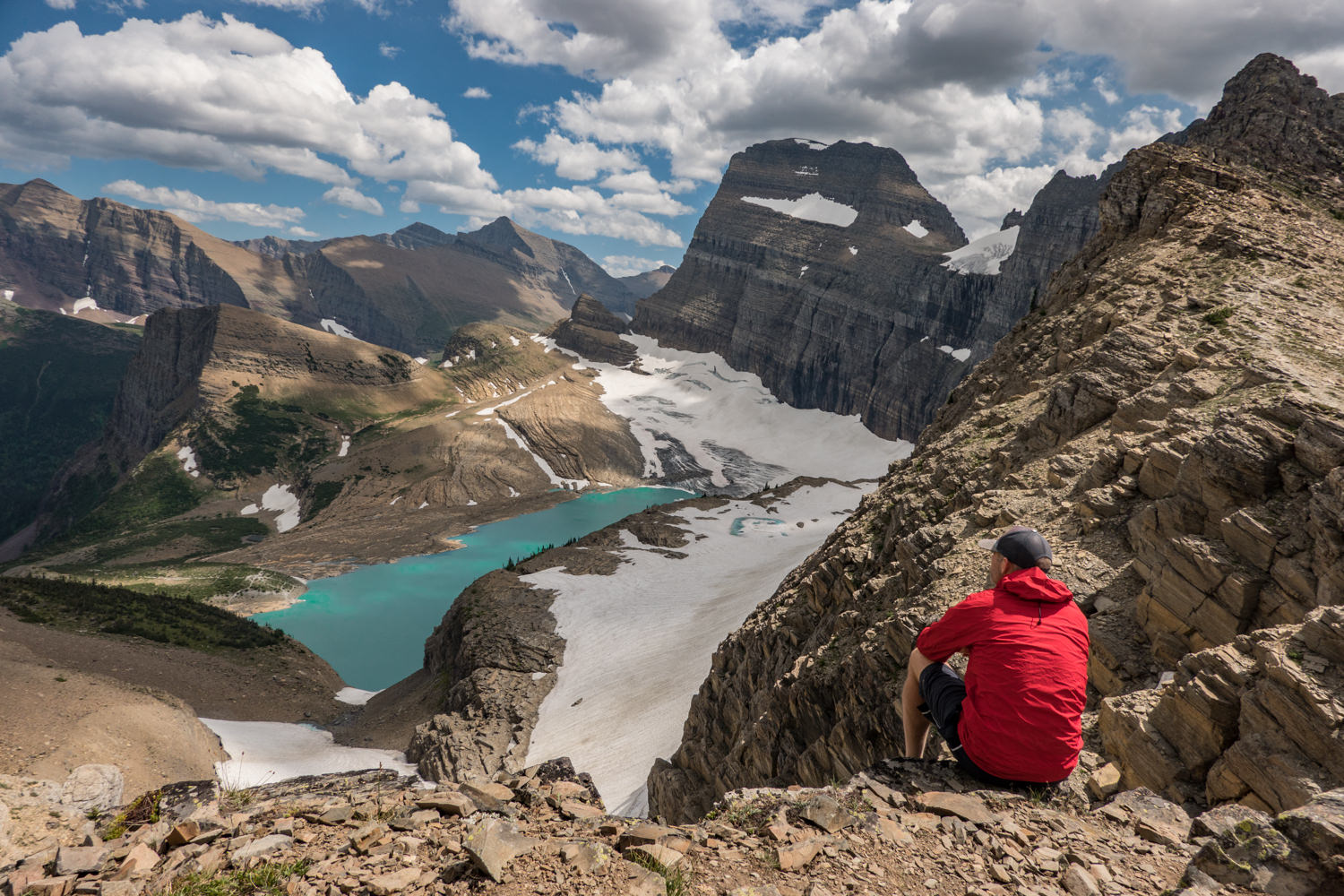
The breathtaking view from Grinnell Glacier Overlook - one of my favorite spots along the Highline Trail
Challenging Routes for Experienced Adventurers
Grinnell Glacier trail demands respect but rewards hikers with close encounters with an active glacier. The 10.6-mile round trip gains 1,600 feet elevation through diverse ecosystems. I recommend taking the boat shuttle across Swiftcurrent and Josephine Lakes to shorten the hike by 3.4 miles while enjoying unique lake perspectives.
Premium Hiking Backpack
My trusted companion for multi-day adventures is the Teton Explorer 75L Internal Frame Backpack. Its organizational system and comfortable weight distribution made my 5-day backcountry traverse significantly more enjoyable. The included rain cover proved invaluable during unexpected Montana weather.
Shop Teton Explorer BackpackHiker Review from AllTrails
"Completed the Highline Trail last September - absolutely stunning! The ledge section was intimidating at first, but the views made every step worthwhile. Saw mountain goats, pikas, and even a grizzly bear from a safe distance. Started at 7 AM and finished by 3 PM with plenty of photo stops." - Sarah M., Experienced Hiker
Essential Gear and Equipment
Proper equipment can mean the difference between an enjoyable adventure and a dangerous situation in Glacier's unpredictable mountain environment. Through trial and error across multiple seasons, I've refined my gear list to include only the most essential items. Mountain weather changes rapidly, and being prepared for all conditions is crucial for safety and comfort.
Layering System for Variable Conditions
Glacier's elevation changes create dramatic temperature variations throughout a single hike. I always start with a moisture-wicking base layer, add insulating mid-layers, and carry a waterproof shell. Merino wool excels in this environment due to its temperature regulation and odor resistance properties.
Premium Hiking Socks
Quality socks prevent blisters and maintain foot comfort over long distances. These Merino Wool Hiking Socks provide cushioning, moisture management, and durability I've tested across hundreds of trail miles in Glacier.
Get Merino Wool Hiking SocksHydration and Nutrition Strategy
Glacier's clear mountain air and elevation can accelerate dehydration. I carry more water than seems necessary and use electrolyte supplements during longer hikes. The park's water sources are generally clean, but I always use filtration or purification tablets as backup. Energy-dense snacks help maintain stamina during challenging climbs.
Hydration Pack System
The National Park Foundation 18L Hydration Backpack keeps me hydrated hands-free while hiking. The 2-liter bladder capacity covers most day hikes, and the pack's lightweight design doesn't add unnecessary bulk to my gear load.
Order Hydration BackpackSafety and Navigation Equipment
Bear spray is mandatory equipment in Glacier National Park. I carry it on my belt, easily accessible but secured against accidental discharge. A reliable GPS device or phone with offline maps provides backup navigation when weather obscures landmarks. Emergency whistle, first aid supplies, and emergency shelter complete my safety kit.
Gear Review from Reddit
"Used merino wool base layers during a 4-day Glacier backcountry trip in September. Temperatures ranged from 75°F to 28°F, and the wool performed perfectly. No odor buildup, and I stayed comfortable in changing conditions. Worth the investment for serious hikers." - u/MontanaHiker
Seasonal Guide and Weather Considerations
Glacier National Park transforms dramatically with each season, offering unique experiences year-round. Having visited during all four seasons, I can attest that timing significantly impacts available activities, wildlife viewing opportunities, and overall experience quality. Understanding seasonal patterns helps optimize your visit for specific interests and activities.
Winter (November-April): Solitude and Snow Sports
Winter brings profound silence to Glacier's landscape. Going-to-the-Sun Road closes beyond Avalanche Creek on the west and Rising Sun on the east, but this creates excellent opportunities for cross-country skiing and snowshoeing. I've experienced temperatures as low as -30°F, but clear days offer stunning photography opportunities with snow-covered peaks against brilliant blue skies.
Spring (May-June): Awakening Wilderness
Spring arrival varies dramatically with elevation and snowpack. Lower elevations begin melting by late April, but higher trails remain snow-covered until July. This season offers excellent waterfall viewing as snowmelt creates temporary cascades. Wildlife emerges from winter dens, making it prime time for bear and mountain goat observations.
Summer (July-September): Peak Season Adventures
Summer provides access to the park's full trail system and all visitor services. Going-to-the-Sun Road typically opens completely by early July, weather permitting. This is peak visitation season, requiring early morning starts for parking and trail access. Wildflower displays peak in July and August, creating spectacular alpine meadow scenes.
Women's Base Layer System
Temperature fluctuations in Glacier demand versatile clothing. This Merino Wool Base Layer for Women provides essential temperature regulation and moisture management I've relied on during challenging mountain conditions.
Shop Women's Base LayerFall (September-October): Golden Tranquility
Fall brings my favorite Glacier National Park season. Crowds diminish significantly after Labor Day, but weather often remains stable through September. Aspen and cottonwood trees create golden displays, and wildlife becomes more active preparing for winter. Many facilities close by mid-October, but Going-to-the-Sun Road usually remains accessible until early October.
Seasonal Review from Quora
"Visited Glacier in late September and it was magical. The weather was perfect - warm days, cool nights. No crowds on the trails, and the fall colors were incredible. Rangers said this is the best-kept secret season. Highly recommend if you can swing it." - Photography Enthusiast
Going-to-the-Sun Road Experience
Going-to-the-Sun Road represents one of America's most spectacular mountain drives. This 50-mile engineering marvel crosses the Continental Divide at Logan Pass, climbing from 3,200 feet to 6,646 feet elevation. I've driven this road countless times and still discover new perspectives and photographic opportunities with each journey.
Experience Going-to-the-Sun Road
Comprehensive guide to navigating Going-to-the-Sun Road and its incredible viewpoints
Vehicle Restrictions and Driving Tips
The road's narrow, winding nature restricts vehicles longer than 21 feet or wider than 8 feet. Height clearance issues exist for vehicles over 10 feet tall due to rock overhangs. I recommend starting early (before 7 AM) to secure parking at popular stops like Logan Pass, Avalanche Creek, and Jackson Glacier Overlook.
Photography Opportunities and Viewpoints
The road offers numerous designated pullouts for safe photography. Key stops include Wild Goose Island Overlook (featured in "The Shining"), Jackson Glacier Overlook for glacier viewing, and The Loop for valley perspectives. Golden hour lighting occurs roughly an hour after sunrise and before sunset, creating optimal conditions for landscape photography.
Alternative Transportation Options
Free shuttle service operates during peak season, providing stress-free transportation without parking concerns. Historic Red Jammer bus tours offer guided experiences with commentary about the road's construction history and geological features. Both options allow passengers to enjoy scenery without driver concentration on the challenging road.
Advantages of Going-to-the-Sun Road
- Accessible to all fitness levels
- Multiple hiking trail access points
- Spectacular mountain and glacier views
- Historic engineering achievement
- Wildlife viewing opportunities
Challenges to Consider
- Heavy traffic during peak season
- Limited parking at popular stops
- Vehicle size restrictions
- Weather-dependent accessibility
- Narrow road can cause anxiety
My Personal Experience and Local Insights
My relationship with Glacier National Park began fifteen years ago during my first photography expedition to Montana. Since then, I've returned annually, sometimes multiple times per season, accumulating over 200 hiking miles and countless memories. Each visit reveals new aspects of this incredible ecosystem and reinforces why locals call it the "Crown of the Continent."
Memorable Wildlife Encounters
My most remarkable wildlife experience occurred on the Grinnell Glacier trail in early September. A massive grizzly bear emerged from huckleberry bushes roughly 100 yards ahead on the trail. Following bear safety protocols, I slowly backed away while speaking calmly, giving the bear space to continue foraging. The encounter lasted nearly ten minutes and reminded me of the importance of carrying bear spray and maintaining awareness in bear country.
Best Photography Spots and Times
Lake McDonald at sunrise offers mirror-like reflections of surrounding peaks, especially during calm morning conditions. I typically arrive 45 minutes before sunrise to set up equipment and capture the gradual color transitions across the sky. Hidden Lake from Logan Pass provides exceptional alpine scenery, but requires hiking in pre-dawn darkness to avoid crowds and capture optimal lighting.
Local Ranger Recommendations
During my frequent interactions with park rangers, several consistently shared insights have improved my experiences. Ranger Julie at the Apgar Visitor Center recommended visiting during shoulder seasons for wildlife photography. Ranger Mark from Logan Pass suggested hiking the Highline Trail clockwise for better lighting and fewer crowds. These local perspectives proved invaluable for planning successful adventures.
Insider Tips from Years of Exploration
- Carry extra layers even on warm days - mountain weather changes rapidly
- Start hikes before 7 AM during peak season for parking and solitude
- Check trail conditions at visitor centers before departing - closures change daily
- Bring cash for park entrance fees - some gates don't accept cards
- Download offline maps before entering remote areas with limited cell service
Amazon Customer Review
"Bought the National Park hydration backpack before my Glacier trip based on this guide's recommendation. Worked perfectly for the Highline Trail - kept water cool, pack was comfortable, and the bladder didn't leak. Exactly what I needed for a long day hike. Five stars!" - Verified Amazon Customer
Lessons Learned from Challenging Conditions
Weather taught me valuable lessons during a September backcountry trip when temperatures dropped from 70°F to 25°F overnight. My merino wool base layers and proper sleeping system prevented hypothermia, but the experience reinforced the importance of preparation for extreme temperature variations. Mountain weather forecasts only provide general guidance - conditions can change dramatically with elevation and exposure.
Frequently Asked Questions
What is the best time of year to visit Glacier National Park?
The optimal visiting time depends on your priorities. July through September offers full road access and complete trail availability, but brings peak crowds and higher prices. I prefer late September for comfortable weather, fall colors, and reduced visitation. Early summer (June-July) provides excellent wildflower displays and longer daylight hours. Winter visits offer solitude and winter sports opportunities, though road access remains limited. Spring presents variable conditions with exceptional waterfalls and emerging wildlife activity.
Do I need a vehicle reservation to enter Glacier National Park?
Yes, advance vehicle reservations are required for Going-to-the-Sun Road from June 13 to September 28, between 7 AM and 3 PM daily. The $2 reservation fee is separate from park entrance fees. Reservations release 120 days in advance at 8 AM Mountain Time, with additional slots available at 7 PM the night before. I recommend multiple device attempts during release times due to high demand. Visitors staying in park lodging or campgrounds are exempt from reservation requirements.
How dangerous are bears in Glacier National Park?
Both black bears and grizzly bears inhabit Glacier National Park, but attacks remain statistically rare with proper precautions. I always carry bear spray in accessible locations and know how to use it effectively. Making noise while hiking, properly storing food, and maintaining awareness significantly reduce encounter risks. Bears generally avoid human contact but can become aggressive protecting food sources or cubs. Following park guidelines and respecting wildlife distances ensures safe coexistence with these magnificent animals.
What hiking trails are best for beginners?
Trail of the Cedars provides an excellent introduction to Glacier's ecosystems with minimal physical demands. This 0.7-mile boardwalk remains accessible to wheelchairs and families with young children. Hidden Lake Overlook from Logan Pass offers spectacular mountain scenery with moderate 2.8-mile distance and manageable elevation gain. Apgar Nature Trail presents easy lakeside walking with interpretive information about local ecology. These trails provide representative park experiences without challenging terrain or extensive time commitments.
Where should I stay when visiting Glacier National Park?
Accommodation choice depends on budget, desired amenities, and advance planning ability. Park lodges like Many Glacier Hotel and Lake McDonald Lodge provide convenient access and historic charm but require early booking and higher costs. Gateway communities like West Glacier, Whitefish, and St. Mary offer more availability and dining options with short drives to park entrances. Camping provides budget-friendly options but requires reservations for popular campgrounds. I prefer staying outside the park for flexibility and value while driving in daily for activities.
Is Going-to-the-Sun Road open in winter?
Going-to-the-Sun Road closes to through traffic typically from mid-October through late June due to heavy snow accumulation. Winter access remains possible to Avalanche Creek from the west entrance and to Rising Sun from the east entrance, weather permitting. These partial openings provide access to cross-country skiing, snowshoeing, and winter photography opportunities. Complete road opening depends on snowpack conditions and plowing progress, which varies annually. The National Park Service provides regular updates on road status throughout winter months.
Conclusion
Glacier National Park represents one of America's most spectacular natural treasures, deserving thoughtful planning and respectful visitation. Through my years of exploration, I've witnessed the park's incredible diversity - from pristine alpine lakes to ancient glaciers, from dense cedar forests to windswept mountain passes. Each season brings unique rewards for those willing to venture beyond the obvious attractions and embrace the wilderness experience.
The 2025 season presents new challenges with reservation requirements and increased visitation, but proper planning ensures successful adventures. Investing in quality gear, understanding seasonal variations, and respecting wildlife creates the foundation for memorable experiences. Whether you're seeking challenging backcountry adventures or family-friendly scenic drives, Glacier National Park accommodates all interests and abilities.
Remember that this incredible ecosystem depends on visitor responsibility for preservation. Following Leave No Trace principles, staying on designated trails, and properly disposing of waste ensures future generations can experience the same wonder and beauty. The park's glaciers continue receding due to climate change, making current visits even more precious and important for conservation awareness.
Final Planning Checklist
- Secure vehicle reservations 120 days in advance for peak season visits
- Book accommodations early, especially for park lodges and popular campgrounds
- Purchase essential gear including bear spray, navigation tools, and layered clothing
- Check current trail conditions and road status before departure
- Prepare for variable weather conditions regardless of season
- Respect wildlife viewing distances and follow all park regulations
My connection to Glacier National Park continues deepening with each visit. The park challenges assumptions about wilderness accessibility while rewarding preparation and respect with unparalleled natural beauty. Whether this represents your first visit or return journey, approach Glacier with appropriate humility for its power and gratitude for its preservation. The memories created here will inspire outdoor adventures and conservation awareness for years to come.
For additional outdoor adventure guides and gear recommendations, visit NatureGuests.com. Share your own Glacier National Park experiences and tips with fellow adventurers, and help preserve this incredible wilderness for future generations.