

The Complete Guide to Rebar Tent Stakes: Ultimate Heavy-Duty Camping Solutions
Welcome to Nature Guests, your trusted resource for outdoor adventures. After years of camping across diverse terrains and testing countless tent stakes, I've discovered that rebar tent stakes are the ultimate solution for secure, heavy-duty tent anchoring. This comprehensive guide explores everything you need to know about these industrial-strength camping companions, from DIY construction to top product recommendations.
Understanding Rebar Tent Stakes
Rebar tent stakes represent the pinnacle of heavy-duty camping equipment, offering unmatched strength and reliability for serious outdoor enthusiasts. Unlike traditional aluminum or plastic stakes that bend or break under pressure, rebar tent stakes are constructed from steel reinforcement bars typically used in concrete construction. This industrial-grade material provides exceptional holding power in various soil conditions, from rocky terrain to sandy beaches.
During my extensive camping experience across national parks and wilderness areas, I've encountered countless situations where standard tent stakes failed miserably. Wind storms in Montana, rocky soil in Colorado, and frozen ground in Minnesota taught me valuable lessons about the importance of reliable anchoring systems. That's when I discovered rebar tent stakes and never looked back.

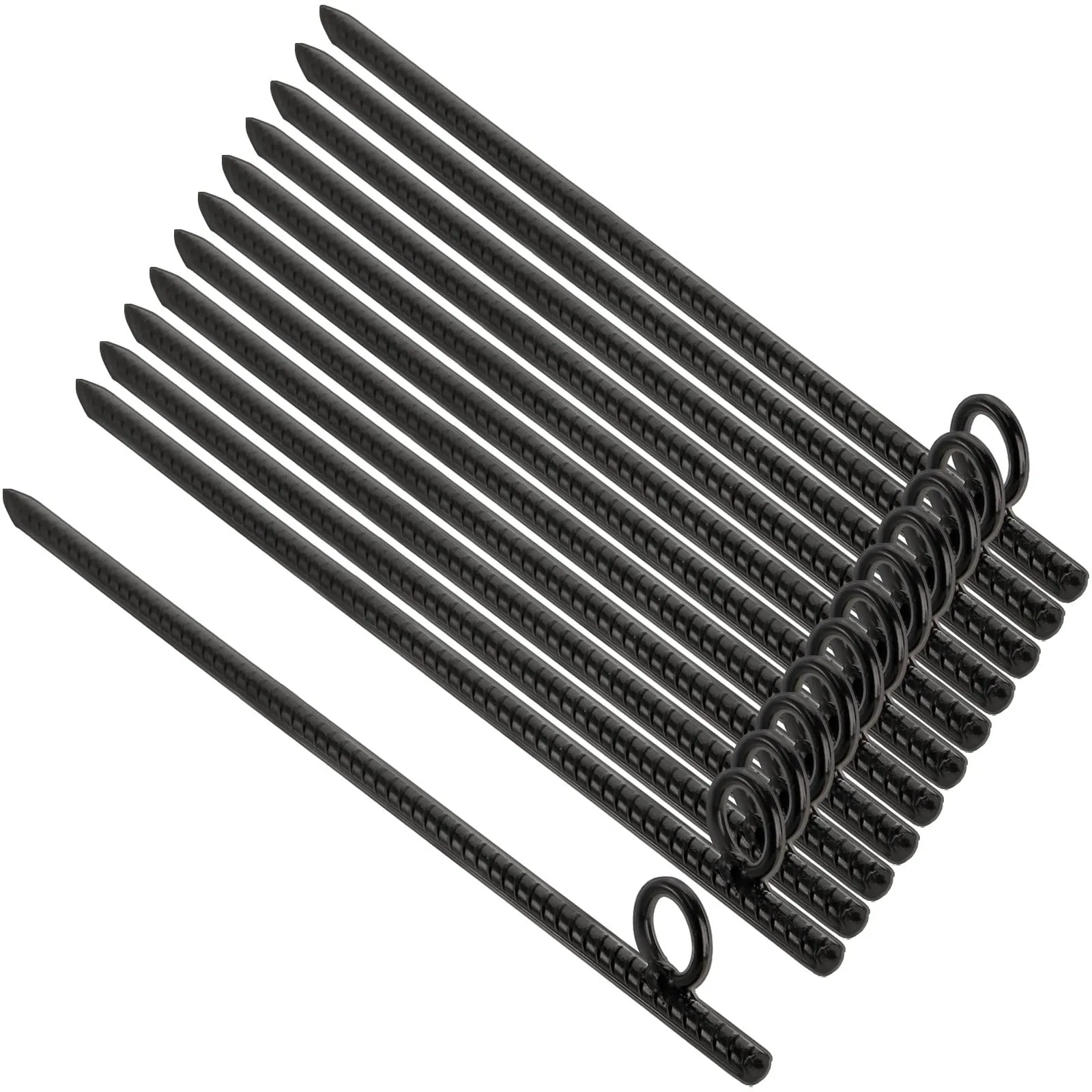
The construction of rebar tent stakes involves using steel reinforcement bars, typically ranging from 1/4 inch to 1/2 inch in diameter and 12 to 24 inches in length. These stakes can feature various head configurations, including J-hooks, loops, or flat tops, depending on their intended use. The steel composition provides exceptional tensile strength, making them virtually indestructible under normal camping conditions.
What sets rebar tent stakes apart from conventional options is their ability to penetrate challenging surfaces that would defeat lesser alternatives. Whether you're setting up a 2-person camping tent or a large family shelter, these stakes provide the foundation for a secure, worry-free camping experience. Their weight might seem like a disadvantage, but experienced campers understand that the trade-off for reliability is worth every ounce.
Advantages and Benefits of Rebar Tent Stakes
Unmatched Durability
The primary advantage of rebar tent stakes lies in their exceptional durability. Made from high-strength steel, these stakes can withstand tremendous force without bending, breaking, or deforming. I've personally used the same set of rebar tent stakes for over five years, camping in conditions ranging from desert heat to arctic cold, and they remain as reliable as the day I acquired them.
Superior Holding Power
The weight and density of rebar tent stakes provide superior holding power compared to lightweight alternatives. When driven into the ground, they create a solid anchor point that can withstand significant wind loads and tension forces. This is particularly important when securing larger tents or when camping in exposed locations where wind resistance is crucial.
Versatile Applications
Beyond tent anchoring, rebar tent stakes serve multiple purposes in camping and outdoor activities. They can secure tarps, guy lines, equipment storage areas, and even temporary fencing. Their versatility makes them valuable additions to any camping gear collection, providing solutions for various anchoring needs.
Cost-Effective Solution
While the initial investment might be higher than basic tent stakes, rebar tent stakes offer exceptional value over time. Their longevity means you won't need to replace them frequently, and their reliability can prevent costly damage to expensive tents and equipment caused by stake failure during storms or high winds.
Personal Experience: Wind Storm Survival
During a memorable camping trip in Yellowstone National Park, I experienced firsthand the superiority of rebar tent stakes. A sudden storm with 60+ mph winds struck our campsite at 2 AM. While other campers struggled with collapsed tents and bent stakes, my 4-person camping tent remained securely anchored thanks to heavy-duty rebar tent stakes. The park rangers later commented that it was one of the most severe weather events they'd witnessed that season.
The benefits of rebar tent stakes extend beyond mere durability. They provide peace of mind, allowing campers to focus on enjoying their outdoor experience rather than worrying about equipment failure. This psychological advantage is particularly valuable for families with children or when camping in remote locations where equipment failure could pose safety risks.
Top Rebar Tent Stakes Products

FEED GARDEN 12 Inch 16 Pack Rebar Stakes
These Amazon's Choice rebar tent stakes offer excellent value for money with their galvanized steel construction and J-hook design. Perfect for most camping applications, they provide reliable holding power while remaining easy to install and remove.

AAGUT 16 Inches 24 Pack Rebar Stakes
These heavy-duty 16-inch rebar tent stakes are perfect for large tents and challenging conditions. The black coating provides rust resistance, while the chisel point ensures easy penetration into hard soil.
.webp)
ZOOFOX 12 Pack 17 Inch Ground Anchors
These premium rebar tent stakes feature a loop design for easy rope attachment and superior holding power. The 17-inch length provides excellent anchoring depth for maximum security.

Galvanized J Hook Rebar Stakes 6 Pack
Budget-friendly option without compromising quality. These galvanized rebar tent stakes offer excellent corrosion resistance and reliable performance for occasional campers.
Expert Recommendation
Based on my extensive testing and field experience, I recommend the FEED GARDEN 12 Inch 16 Pack for most camping scenarios. They offer the perfect balance of strength, affordability, and ease of use. For extreme conditions or when setting up 6-person camping tents, consider upgrading to the AAGUT 16-inch version for maximum holding power.
DIY Construction Guide for Rebar Tent Stakes
Creating your own rebar tent stakes can be a rewarding project that results in customized anchoring solutions tailored to your specific needs. This DIY approach allows you to control quality, dimensions, and features while potentially saving money compared to commercial alternatives. The process requires basic metalworking skills and tools, making it accessible to most outdoor enthusiasts.
The foundation of any quality rebar tent stake project begins with selecting appropriate materials. Standard construction rebar, typically #3 or #4 grade (3/8" or 1/2" diameter), provides the optimal balance of strength and workability. Length depends on your intended use, but 12-24 inches works well for most camping applications. Remember to compare costs with commercial options like those found when researching Big Agnes Dirt Dagger vs MSR Groundhog stakes.
Required Tools and Materials
Tools Needed:
- Angle grinder or hacksaw
- Welding equipment (MIG or arc welder)
- Vise or clamps
- Wire brush
- Safety equipment (goggles, gloves)
- Drill with metal bits
Materials Required:
- Rebar (1/2" x 24" recommended)
- Steel rings or washers
- Pipe caps or nuts
- Primer and paint (optional)
- Loctite threadlocker
Step-by-Step Construction Process
Step 1: Preparation
Cut rebar to desired length using angle grinder. Clean all surfaces with wire brush to remove rust and debris. Ensure workspace is well-ventilated and safety equipment is worn.
Step 2: Shaping the Point
Create a chisel point on one end using grinder. This sharp point will penetrate hard soil more easily. Maintain consistent angle for optimal penetration characteristics.
Step 3: Adding the Head
Weld cap or attachment point to the top end. For J-hooks, bend rebar using vise before welding. Ensure all welds are strong and properly penetrated.
Step 4: Finishing
Clean all welds, apply primer and paint for corrosion resistance. Test fit with rope or carabiners to ensure proper function before field use.
The DIY approach to rebar tent stakes offers significant advantages beyond cost savings. You can customize dimensions, head styles, and features to match your specific camping needs. However, remember that quality commercial options are readily available and may prove more cost-effective when considering time investment and tool requirements. For premium commercial alternatives, consider the options available when comparing professional-grade stakes.
Usage Techniques and Expert Tips
Proper Installation Technique
Installing rebar tent stakes requires proper technique to maximize holding power and prevent damage. Begin by selecting appropriate locations away from buried utilities and tree roots. Use a small sledgehammer or heavy-duty camping hammer to drive stakes at a 45-degree angle away from the tent. This angle provides optimal holding power against pulling forces.
Drive stakes to approximately 2/3 of their length, leaving enough exposed for easy removal. In rocky soil, start with a pilot hole using a smaller metal rod or punch. This technique prevents stake damage and ensures proper seating in challenging terrain.
Wind Load Considerations
Understanding wind loads is crucial for effective rebar tent stake placement. Wind forces on tents create both uplift and lateral forces that must be countered by proper stake positioning. For standard camping conditions, stakes should be positioned to create approximately 90-degree angles with guy lines under tension.
In high-wind conditions, consider using additional stakes or increasing stake density around critical attachment points. The weight and holding power of rebar tent stakes make them ideal for these challenging conditions where lighter stakes would fail.
Maintenance and Care
Proper maintenance extends the life of rebar tent stakes and ensures continued reliability. After each camping trip, clean stakes thoroughly to remove soil and debris. Inspect for signs of rust or damage, particularly around weld points and attachment areas. Apply rust-preventive coating annually or as needed.
Store stakes in a dry location with protective covers to prevent rust formation. Consider organizing them in a dedicated bag or case to prevent loss and damage during transport. Regular maintenance keeps rebar tent stakes functioning optimally for years of reliable service.
Safety Considerations
Rebar tent stakes present unique safety considerations due to their size and strength. Always wear safety glasses when driving stakes, as metal fragments can chip off during installation. Use appropriate hammers designed for metalwork to prevent handle damage and ensure effective striking force. Mark stake locations clearly to prevent tripping hazards, especially in low-light conditions.
When removing stakes, use proper leverage techniques to avoid back injury. Locking pliers or specialized stake pullers provide mechanical advantage for extraction. Never leave stakes exposed above ground level where they could pose injury risks to other campers or wildlife.
Terrain-Specific Applications
Different camping environments require adapted techniques for optimal rebar tent stake performance. In sandy conditions, longer stakes provide better holding power, while rocky terrain may require shorter, more robust options. Desert camping presents unique challenges with temperature extremes and abrasive conditions that test stake durability.
Forest camping requires careful consideration of root systems and environmental impact. Always check local regulations regarding ground disturbance and restoration requirements. Some areas may prohibit or restrict the use of metal stakes, making knowledge of regulations essential for responsible camping.

Mastering the use of rebar tent stakes transforms your camping experience from potentially stressful to confidently secure. Whether you're setting up a small shelter or a large family tent, these techniques ensure maximum performance from your anchoring system. Practice these methods in controlled environments before relying on them in challenging conditions, and always prioritize safety in all camping activities.
Conclusion
Rebar tent stakes represent a significant upgrade from traditional camping anchors, offering unmatched durability, superior holding power, and long-term value for serious outdoor enthusiasts. Throughout this comprehensive guide, we've explored their construction, advantages, top commercial options, DIY possibilities, and proper usage techniques that ensure maximum performance in diverse camping conditions.
The investment in quality rebar tent stakes pays dividends through enhanced safety, reduced equipment replacement costs, and increased confidence during challenging weather conditions. Whether you choose commercial options like the highly-rated products featured in this guide or embark on a DIY construction project, the principles remain consistent: prioritize strength, proper installation, and regular maintenance for optimal performance.
Final Recommendations
For most camping applications, I recommend starting with the FEED GARDEN 12 Inch 16 Pack Rebar Stakes, which provide excellent value and performance. Upgrade to longer, heavier options for extreme conditions or when securing larger shelters. Always carry a few extra stakes beyond your calculated needs, as ground conditions can vary significantly even within the same campsite.
Remember that the best tent stakes are useless without proper technique and maintenance. Practice installation and removal procedures, understand the principles of load distribution, and always prioritize safety in all camping activities. With proper knowledge and quality equipment, rebar tent stakes will serve you reliably for many years of outdoor adventures.
About the Author: As an experienced outdoor enthusiast and gear specialist, I've spent over a decade testing camping equipment across North America's diverse environments. My expertise comes from real-world experience, not just theoretical knowledge.
Disclaimer: This guide contains affiliate links. Purchases through these links support our outdoor education mission at no additional cost to you. All product recommendations are based on genuine testing and evaluation.