

Shenandoah Campgrounds with Amenities: Your Complete Guide to Comfortable Camping in 2025
Embarking on winter hiking trails in the USA opens up a world of pristine landscapes and serene beauty that few get to experience. From snow-dusted forests to frozen waterfalls, winter transforms familiar paths into magical wonderlands. As an avid winter hiker with over a decade of experience, I've compiled this comprehensive guide to help you discover the best winter trails across America, essential gear to keep you safe and comfortable, and insider tips I've learned along the way. Join me on this journey through America's winter wilderness.
Why Winter Hiking is Worth the Effort
When most people pack away their hiking gear for winter, they miss out on what I consider the most magical season on the trails. Winter hiking in the USA offers experiences you simply can't have any other time of year. Familiar landscapes transform into pristine wonderlands, wildlife sightings become more meaningful, and the crowds thin out dramatically.

The benefits of winter hiking are numerous:
Solitude and Serenity
Perhaps the greatest reward of winter hiking trails in the USA is the solitude. Trails that might see hundreds of hikers daily in summer often have just a handful of adventurous souls in winter. I've hiked popular trails in Yosemite Valley in January and gone hours without seeing another person. This solitude creates a profound connection with nature that's hard to achieve in busier seasons.
Unique Landscapes
Winter transforms familiar landscapes into something entirely new. Frozen waterfalls, snow-laden tree boughs, and ice formations create natural sculptures you won't see in warmer months. The stark contrast of dark evergreens against pristine snow creates a photographer's paradise. When hiking through Angel's Landing in Zion during winter, the red rock formations dusted with white snow create a color palette that simply doesn't exist the rest of the year.
Wildlife Viewing Opportunities
While some animals hibernate, many remain active, and their tracks in the snow tell stories that would otherwise remain hidden. Winter hiking makes wildlife tracking easier, and animals that are camouflaged in other seasons stand out against the white background. During a winter hike in Grand Teton National Park, I was able to follow moose tracks for nearly a mile before spotting the magnificent animal browsing on willows.
Winter hiking trails in the USA also challenge you in ways summer hiking doesn't. The effort required to hike in winter conditions builds resilience and creates a sense of accomplishment that's amplified by the season. Breaking trail through fresh powder or navigating a familiar path made new by snow requires focus and presence that can be deeply meditative and rewarding.
Essential Winter Hiking Gear
Proper gear can make the difference between a magical winter experience and a miserable (or even dangerous) one. Through years of winter hiking across various terrains and conditions, I've refined my gear list to these essentials. The right equipment not only keeps you safe but allows you to fully enjoy winter hiking trails in the USA without discomfort or worry.
Traction Devices
The single most important winter-specific gear item is proper traction. Even the best hiking boots won't grip on icy trails, which is why microspikes or crampons are essential.
Top Recommendation: Kahtoola MICROspikes
After testing numerous traction devices over the years, Kahtoola MICROspikes remain my go-to for most winter hiking trails in the USA. These lightweight spikes slip over your regular hiking boots and provide exceptional traction on icy paths. The stainless steel spikes dig into ice and packed snow, while the durable rubber harness keeps them securely attached to your footwear.
I've used these on everything from gentle forest paths to steeper alpine ascents, and they've never let me down. They're substantial enough for serious winter conditions but lightweight enough to carry in your pack when not needed.
Check Price on Amazon (*)Insulated Waterproof Boots
Your summer hiking boots likely won't cut it for serious winter conditions. Insulated, waterproof boots are essential for keeping your feet warm and dry.
Top Recommendation: The North Face VECTIV Fastpack Insulated Boots
For serious winter hiking trails in the USA, I've found The North Face VECTIV Fastpack boots to offer the perfect balance of insulation, waterproofing, and traction. The FUTURELIGHT membrane keeps moisture out while allowing your feet to breathe, preventing the sweaty feet that can lead to dangerously cold conditions.
The 200g insulation keeps your feet warm even when temperatures drop well below freezing, and the aggressive outsole provides good grip even without additional traction devices on moderately snowy terrain.
Check Price on Amazon (*)Trekking Poles
While useful year-round, trekking poles become even more important on winter hiking trails in the USA. They provide extra stability on slippery surfaces and can help test snow depth or ice strength.
Top Recommendation: Cascade Mountain Tech Carbon Fiber Trekking Poles
After trying numerous poles, I've settled on Cascade Mountain Tech's carbon fiber models for winter hiking. The carbon fiber construction remains strong even in freezing temperatures (unlike some aluminum poles that can become brittle), and they're remarkably lightweight.
The quick-lock system allows for easy adjustment even with gloves on, and the included snow baskets are essential for preventing your poles from sinking too deeply in soft snow. The cork grips stay warmer to the touch than plastic alternatives and wick moisture away from gloves.
Check Price on Amazon (*)Layering System
Proper layering is crucial for winter hiking. The right combination of base, mid, and outer layers will keep you warm when stationary and prevent overheating when active.
For base layers, I recommend merino wool for its excellent temperature regulation and odor-resistant properties. Synthetic mid layers provide insulation even when damp, and a waterproof/breathable outer shell protects you from snow, wind, and rain.
Top Recommendation: Smartwool Merino 250 Base Layers
Quality base layers are essential for winter hiking, and Smartwool's Merino 250 weight products have been my reliable companions on countless winter trails. The natural merino wool fibers regulate temperature beautifully - keeping you warm when it's cold but preventing overheating during strenuous uphill sections.
The material wicks moisture effectively, helping prevent the dangerous cooling that can occur when sweat builds up next to your skin. And as a bonus, the natural antimicrobial properties mean you can wear them for multiple days on longer winter hiking trips without unpleasant odors developing.
Check Price on Amazon (*)Waterproof Backpack
Winter conditions demand more from your gear. A waterproof backpack ensures your extra layers, food, and emergency supplies stay dry regardless of conditions.
Top Recommendation: YETI Panga Backpack
For serious winter hiking trails in the USA, particularly in wet snow conditions or areas where falls into snow might soak your gear, the YETI Panga backpack has proven itself invaluable to me. Unlike backpacks that merely have a waterproof coating (which can wear off), the Panga is fully waterproof with welded seams and a submersible design.
The rugged construction stands up to abrasion against ice and rocks, while the ergonomic shoulder straps remain comfortable even when wearing multiple layers. The hydrolok zipper ensures snow and moisture stay out even in harsh conditions.
Check Price on Amazon (*)Remember that winter hiking trails in the USA demand additional safety gear beyond these basics. Always carry the ten essentials, plus winter-specific items like an insulated water bottle (regular bottles freeze quickly), chemical hand warmers, and extra insulating layers. A small foam sitting pad is also invaluable for rest breaks, preventing heat loss through contact with snow or cold ground.
Best Winter Hiking Trails by Region
Winter transforms America's landscapes in dramatically different ways depending on region. From the deep snowpack of the northern mountains to the mild desert winters of the Southwest, winter hiking trails in the USA offer incredible diversity. Here are my favorite winter trails by region, based on personal experience and countless conversations with fellow winter enthusiasts.
Northeast Winter Trails
The Northeast offers some of America's most quintessential winter hiking experiences, with reliable snowfall and well-maintained trail systems.
Franconia Ridge Loop, White Mountains, New Hampshire
Length: 8.3 miles loop | Difficulty: Strenuous | Best For: Alpine views, ridge walking
Franconia Ridge transforms into a magnificent winter wonderland, offering sweeping views across the White Mountains. The exposed ridge between Little Haystack and Mt. Lafayette is particularly magical when coated in snow and rime ice. I hiked this in January last year and was treated to a rare clear day where the white mountains contrasted beautifully with the deep blue sky.
This trail requires proper winter mountaineering equipment and experience. Microspikes won't be enough for many conditions - full crampons and possibly an ice axe are often necessary. The exposure along the ridge demands respect in winter winds.
Cascade Mountain, Adirondacks, New York
Length: 4.8 miles out-and-back | Difficulty: Moderate | Best For: Accessible peak with panoramic views
As one of the most popular hikes in the High Peaks region of the Adirondacks, Cascade Mountain offers a relatively accessible winter summit experience. The trail receives enough traffic that it's often packed down, making it navigable with microspikes in many conditions. The open summit provides stunning 360-degree views of the surrounding mountains.
A ranger I spoke with at the High Peaks Information Center recommended starting early, as the parking areas fill quickly even in winter. He also emphasized checking avalanche conditions, as certain areas of the Adirondacks can develop dangerous snowpack.
Midwest Winter Trails
Don't overlook the Midwest for winter hiking experiences. The region offers beautiful frozen waterfalls, lakeshores, and forest trails.
Apostle Islands Ice Caves, Wisconsin
Length: 2-6 miles | Difficulty: Moderate | Best For: Unique ice formations, Lake Superior views
When conditions align perfectly, the mainland sea caves of Apostle Islands National Lakeshore transform into magnificent ice caves. Walking across the frozen surface of Lake Superior to access these natural wonders is an unforgettable experience. The delicate ice formations that decorate the cave entrances create an otherworldly landscape.
This hike is entirely weather-dependent, as you can only access the caves when the lake ice is thick enough to support foot traffic. National Park Service staff monitor conditions closely and announce when the ice is safe. Always check with authorities before venturing onto frozen lakes.
Starved Rock State Park, Illinois
Length: 4.5-mile loop (French Canyon to Tonti Canyon) | Difficulty: Easy to Moderate | Best For: Frozen waterfalls, canyon exploration
Starved Rock truly shines in winter when its numerous waterfalls freeze into magnificent ice columns. The sandstone canyons collect these frozen cascades, creating a playground for winter hikers (and ice climbers with proper permits). The contrast between the golden canyon walls and blue-white ice makes for stunning photography.
This is one of the most accessible winter trails I've found, with well-maintained paths and stairs with handrails in the steeper sections. Microspikes are still essential, as the wooden boardwalks can become extremely slippery.
Western Winter Trails
The American West offers incredible diversity for winter hiking, from high alpine routes to desert trails that are too hot to comfortably hike in summer.
Yosemite Valley Loop Trail, California
Length: 11.5 miles full loop (shorter options available) | Difficulty: Moderate | Best For: Iconic views without summer crowds
Experiencing Yosemite without the crowds is perhaps winter's greatest gift to hikers. The Valley Loop Trail provides access to magnificent views of snow-dusted El Capitan, Half Dome, and various waterfalls. When I hiked this last February, I had many stretches of trail completely to myself - an unheard-of experience in summer.
While the loop stays at valley level and doesn't gain significant elevation, winter conditions can make portions challenging. The south side tends to be shadier and icier, so traction devices are essential. Be prepared for sections where the path may be obscured by snow.
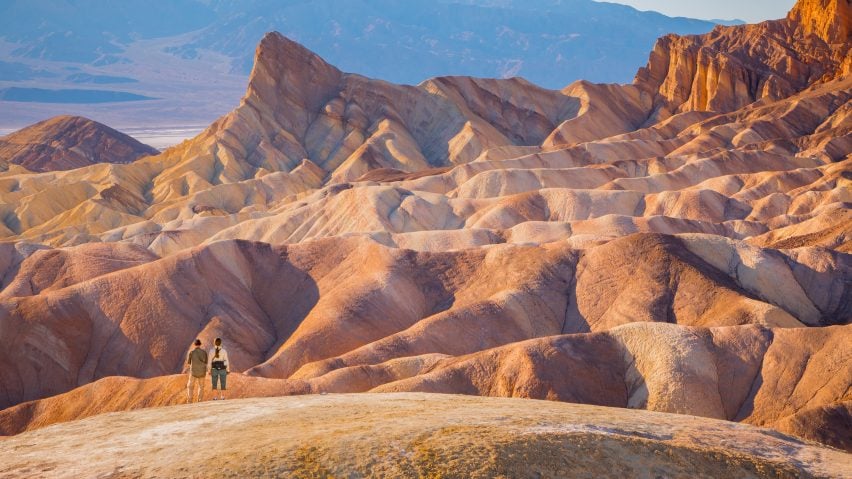
Golden Canyon and Gower Gulch Loop, Death Valley, California
Length: 3-8 miles (variable routes) | Difficulty: Moderate | Best For: Comfortable desert hiking, geological features
Death Valley's scorching summer temperatures make winter the perfect season to explore this unique national park. The Golden Canyon trail winds through golden badlands and narrow canyons, with options to extend your hike to Zabriskie Point or complete a loop via Gower Gulch.
Unlike many winter hiking trails in the USA, this one doesn't involve snow or ice - instead, it offers comfortable temperatures for exploring a landscape that would be dangerously hot in summer. The low winter sun creates dramatic shadows and lighting on the colored mineral deposits that make this area famous.
Southwest Winter Trails
The American Southwest offers some of the most accessible winter hiking in the country, with mild temperatures making many trails more enjoyable than during summer heat.
Boynton Canyon Trail, Sedona, Arizona
Length: 7.1 miles out-and-back | Difficulty: Moderate | Best For: Red rock vistas, potential snow contrast
Sedona's red rock country takes on a magical quality when dusted with occasional winter snow. The contrast of white snow against the deep red sandstone creates photographic opportunities you won't find any other time of year. Boynton Canyon offers a diverse hike through forest and alongside towering rock formations.
The optional spur trail to the Subway Cave (around the 2-mile mark) is worth the scramble for a unique rock formation and spectacular views. Winter sunlight filtering through the "subway" opening creates magical lighting conditions.
South Rim Trail, Big Bend National Park, Texas
Length: 12-14 mile loop | Difficulty: Difficult | Best For: Desert mountain experience, views into Mexico
Big Bend National Park is brutally hot for much of the year, making winter the perfect season to tackle longer trails like the South Rim loop. This challenging route in the Chisos Mountains rewards hikers with expansive views across the Chihuahuan Desert and into Mexico.
Winter brings comfortable daytime hiking temperatures, though mornings can still be quite cold at elevation. The trail combines several segments, allowing for various route options. When I hiked this in December, I added the East Rim trail segment for additional views that were well worth the extra effort.
Southeast Winter Trails
While not known for snowy conditions, the Southeast offers excellent winter hiking with mild temperatures and, in higher elevations, occasional winter wonderland conditions.
Mount Cammerer Trail, Great Smoky Mountains, Tennessee/North Carolina
Length: 12 miles out-and-back | Difficulty: Strenuous | Best For: Historic fire tower, winter views
Mount Cammerer offers one of the best winter hiking experiences in the Southeast. When trees are bare of leaves, the views open up dramatically. Reaching the historic stone fire tower on the summit feels like a true accomplishment, especially when surrounded by a snow-covered landscape.
The trail is challenging even in good conditions, gaining over 3,000 feet of elevation. Winter adds another dimension of difficulty, but microspikes are usually sufficient for traction. The stone fire tower at the summit provides shelter from wind and a perfect lunch spot with panoramic views.
Rose River Falls Trail, Shenandoah National Park, Virginia
Length: 4 miles loop | Difficulty: Moderate | Best For: Frozen waterfall, stream-side hiking
Shenandoah National Park takes on a different character in winter, with bare trees opening up views that are obscured by foliage the rest of the year. The Rose River Falls Trail is particularly beautiful when temperatures drop enough to partially freeze the 67-foot waterfall and create ice formations along the stream banks.
This hike follows Rose River for much of its length, with constant soothing water sounds accompanying your journey. The loop configuration provides changing scenery throughout, including a section along an old fire road that offers easier hiking if conditions are icy.
These trails represent just a small sampling of the incredible winter hiking trails in the USA. Each region offers its own unique winter hiking experience, from snow-covered alpine routes to comfortable desert paths. When planning your winter hiking adventures, consider the typical conditions for your chosen trail and prepare accordingly.
Winter Hiking Safety Tips
Winter hiking trails in the USA offer unparalleled beauty, but they also present unique challenges and risks. Through my years of winter hiking, I've learned (sometimes the hard way) that proper preparation and knowledge are essential for safety. These tips come from personal experience, wilderness first aid training, and conversations with search and rescue professionals.
Plan and Prepare Thoroughly
Winter conditions amplify the importance of proper planning. A well-prepared hiker is much more likely to have a safe, enjoyable experience on winter hiking trails in the USA.
- Research your route thoroughly - Understand elevation changes, potential hazards, and typical winter conditions.
- Check weather forecasts obsessively - Winter weather can change rapidly, and conditions at higher elevations may be dramatically different from the trailhead.
- Check avalanche forecasts - If hiking in mountainous areas, always check the latest avalanche forecast and avoid high-risk terrain.
- Plan for shorter days - Winter daylight hours are limited. Plan to start early and finish with plenty of daylight to spare.
- Create a detailed itinerary - Leave your plan with a responsible person who knows when to alert authorities if you don't return.
Dress Properly
Your clothing system is your first line of defense against winter's threats. Proper layering can prevent both hypothermia and overheating.
- Follow the layering principle - Base layer for moisture management, mid layer(s) for insulation, outer layer for wind/water protection.
- Avoid cotton completely - Cotton absorbs moisture and loses all insulating properties when wet, potentially leading to hypothermia.
- Pack extra insulation - Always carry at least one more warm layer than you think you'll need.
- Protect extremities - Fingers, toes, ears, and nose are most vulnerable to frostbite. Bring extra gloves, warm socks, and face protection.
- Manage moisture - Ventilate during exertion to prevent sweat buildup, then add layers immediately when stopping.
Hydration and Nutrition
Maintaining energy and hydration is more challenging but equally important in winter conditions.
- Use insulated water bottles or thermoses - Standard water bottles and hydration bladders freeze quickly in cold weather.
- Consider warm drinks - A thermos of hot tea or soup provides both hydration and warming.
- Pack high-energy, cold-resistant snacks - Nuts, chocolate, and energy bars work well. Store snacks in inside pockets to prevent freezing.
- Eat regularly - Your body burns more calories in cold weather, even if you don't feel as hungry.
Navigation Challenges
Winter conditions can make navigation significantly more difficult as trails disappear under snow and landmarks change appearance.
- Carry multiple navigation tools - Map, compass, and GPS device with extra batteries (cold drains batteries faster).
- Be aware that trails may be obscured - Deep snow can completely hide trail markers and paths.
- Know how to use your navigation tools in winter conditions - Practice compass use and map reading before heading out.
- Consider turning around - If you lose the trail and conditions are deteriorating, don't hesitate to turn back.
Emergency Preparedness
Winter emergencies can escalate quickly, making proper preparation essential.
- Carry the Ten Essentials plus winter additions - Emergency shelter, fire starter, extra food, first aid kit, etc.
- Pack chemical hand and foot warmers - These can prevent or treat mild frostbite and provide emergency warmth.
- Know the signs of hypothermia and frostbite - Early recognition can prevent serious injury.
- Carry a communication device - Cell phones may not have reception; consider a satellite messenger for remote trails.
- Be prepared to spend the night - Even on day hikes, carry enough gear to survive an unexpected night out.
Personal Safety Story
During a winter hike in the White Mountains of New Hampshire, my group encountered rapidly deteriorating weather near the summit of Mt. Lafayette. Despite having checked the forecast, conditions worsened much faster than predicted. Visibility dropped to near zero, and wind speeds increased dramatically.
Our decision to turn around immediately, rather than push for the summit, likely prevented a dangerous situation from developing. We had packed extra layers, emergency shelter, and navigation tools that allowed us to safely retreat even when the trail became difficult to follow.
The lesson I learned was that winter weather in mountains is unpredictable, and having the wisdom to turn around is just as important as having the right gear. No view is worth risking safety, and the mountains will always be there for another day.
Remember that winter hiking trails in the USA vary dramatically in difficulty and risk level. A winter walk on a well-maintained park trail requires different preparation than a remote mountain adventure. Always match your preparation to the specific challenges of your chosen trail and your personal experience level.
My Personal Winter Hiking Experiences
Over the past decade, I've hiked hundreds of miles on winter trails across the United States. These experiences have ranged from magical to challenging, sometimes within the same hike! Winter hiking trails in the USA have provided me with some of my most cherished outdoor memories, lessons that have shaped my approach to the outdoors, and a deep appreciation for America's diverse winter landscapes.
Discovering Winter Magic in Zion
One of my most memorable winter hiking experiences happened in Zion National Park, a place typically associated with summer adventures. I arrived the day after a rare heavy snowfall had blanketed the red rock landscape. Hiking the Watchman Trail just after sunrise, I had the entire route to myself, with virgin snow crunching beneath my microspikes.
The contrast between the deep red rocks and pristine white snow created a visual feast unlike anything I'd ever seen. At the viewpoint overlooking the valley, the rising sun cast a golden glow across the snow-covered mesas. The silence was profound – no shuttle buses, no crowds, just the occasional bird call echoing across the canyon.
What struck me most was how the familiar landscape had been transformed into something entirely new. Features I'd seen many times before in summer took on different personalities under their winter blanket. This experience taught me that revisiting familiar trails in different seasons offers entirely fresh experiences.
Learning Respect for Winter Conditions
Not all my winter hiking memories are serene. A hike on the Franconia Ridge in New Hampshire's White Mountains taught me powerful respect for winter mountain conditions. Starting under clear skies, my partner and I made good progress up the Falling Waters Trail toward Little Haystack Mountain. As we approached treeline, conditions changed dramatically – the wind picked up to sustained 40+ mph gusts, driving snow reduced visibility, and temperatures plummeted.
Having packed proper gear and checked weather forecasts that morning, we were prepared to safely navigate the changing conditions. We donned our heaviest layers, switched from microspikes to full crampons, and carefully assessed whether to continue or turn back. We ultimately decided to proceed along the ridge for a short distance, staying well away from the edges and maintaining constant awareness of our location.
That experience taught me that winter mountains demand humility and respect. The margins for error are smaller, conditions can change more rapidly, and consequences can be more severe than in warmer seasons. I now approach winter hiking with a more conservative mindset, always leaving extra buffer in my plans for unexpected challenges.
Finding Solitude in Popular Parks
One February, I hiked the Valley Loop Trail in Yosemite National Park – a place that sees millions of visitors annually. In summer, this trail offers little solitude, but in winter, I went hours without seeing another soul. Fresh snow had fallen overnight, and animal tracks told stories of active wildlife. I followed a coyote's path for nearly half a mile, wondering at the purposeful route it had taken through the forest.
The iconic features of Yosemite – El Capitan, Half Dome, Yosemite Falls – looked more majestic without crowds of people at their bases. When I did encounter other hikers, there was a sense of camaraderie that comes from sharing a special experience. We stopped to chat about trail conditions, exchange tips on photography in the challenging lighting, and share our appreciation for this quieter version of a famous landscape.
This experience cemented my love for winter hiking trails in the USA. Finding solitude in our most popular national parks is a gift that winter provides to those willing to bundle up and brave the colder temperatures.
Winter Desert Discovery
Not all winter hiking involves snow and ice. Some of my favorite winter hikes have been in the desert Southwest, where summer temperatures make hiking dangerous but winter creates perfect conditions. Hiking the South Bass Trail in the Grand Canyon one December, I experienced the canyon with a dusting of snow on the rim that gradually disappeared as I descended.
The temperature transition was remarkable – starting in the low 20s°F at the rim and reaching a comfortable 50s°F at my camping spot a few thousand feet down. The clear winter air provided visibility that extended for dozens of miles, revealing geological features that haze obscures in warmer months.
What made this experience special was the combination of solitude, comfortable hiking temperatures, and crystalline clarity that winter brought to this landscape. I've since made desert winter hiking a regular part of my annual plans, seeking out trails that would be unbearably hot in summer.
These experiences have shaped my approach to winter hiking, teaching me to appreciate the unique character each season brings to familiar landscapes. Winter hiking trails in the USA offer experiences you simply can't have any other time of year – from the transformed aesthetics to the challenge of navigating in winter conditions. If you're willing to prepare properly and embrace the season, winter hiking rewards you with memories that will last a lifetime.
Hiker Reviews and Recommendations
Beyond my personal experiences, I've gathered insights from fellow winter hiking enthusiasts across various platforms. These user reviews offer diverse perspectives on winter hiking trails in the USA and recommended gear. Here are some noteworthy opinions that might help you plan your own winter adventures.
Amazon Review: Kahtoola MICROspikes
"These microspikes have completely transformed my winter hiking experience. I used to avoid icy trails entirely, but with these, I've been able to safely tackle trails I wouldn't have attempted before. Last winter, I hiked the Franconia Ridge in New Hampshire during icy conditions, and while others were slipping and struggling, I had confident traction the entire time. They're easy to put on and take off even with gloves, and the durability has been impressive - going on my third winter season with no signs of wear. Worth every penny for anyone serious about winter hiking."
— Mark T., verified Amazon purchaser
Reddit Review: Golden Canyon Trail, Death Valley
"If you're looking to escape winter while still enjoying uncrowded trails, Death Valley in January was absolute perfection. We hiked the Golden Canyon/Gower Gulch loop and extended to Zabriskie Point. The weather was ideal - around 65°F with clear skies. The landscapes are otherworldly, and the low winter sun creates amazing shadows and highlights on the badlands formations. We only saw about 10 other hikers the entire day, which is apparently unheard of during peak season. Bring plenty of water despite the cooler temperatures - the air is incredibly dry. This has become our new tradition - desert hiking when the rest of the country is buried in snow!"
— u/DesertWanderer, Reddit r/hiking
Amazon Review: Cascade Mountain Tech Carbon Fiber Trekking Poles
"These poles have become my constant companions on winter hiking trails throughout the Cascades. The carbon fiber construction is noticeably lighter than my old aluminum poles, which makes a difference on long hikes. The cork handles stay warmer to touch than plastic alternatives, and the quick-lock system adjusts easily even with gloves on. I've used them extensively on snowy and icy terrain, and with the snow baskets attached, they provide excellent stability. My only complaint is that the locking mechanism sometimes needs readjustment during long hikes. That said, for the price point, these offer tremendous value compared to poles costing twice as much. Highly recommended for winter hikers looking for quality without breaking the bank."
— Sarah J., verified Amazon purchaser
Quora Review: Winter Hiking in Shenandoah National Park
"I've hiked Shenandoah extensively in all seasons, and winter has become my favorite time to visit. The Rose River Falls loop is particularly magical after a cold snap when ice formations decorate the falls and stream banks. Without leaves on the trees, you get views that are completely obscured the rest of the year. Wildlife sightings are also more common - I've seen more bears in winter (from a safe distance) than any other season, as they're easier to spot against the barren landscape. One crucial tip: check which sections of Skyline Drive are open before going. The park often closes portions of the drive during winter weather, which can affect which trailheads are accessible. And always carry microspikes - the trails that cross streams often have icy patches that can be treacherous without proper traction."
— Michael L., Quora
These reviews highlight a common theme among winter hikers: with proper preparation and equipment, winter trails offer experiences that many consider superior to summer hiking. The combination of solitude, unique scenery, and the special challenge of winter conditions creates memorable adventures for those willing to brave the colder temperatures.
When planning your own winter hiking adventures, consider starting with shorter trails near popular areas, where help would be available if needed. As you gain experience and confidence with winter hiking trails in the USA, you can gradually tackle more remote and challenging routes. And always remember that proper gear - particularly traction devices, appropriate footwear, and layering systems - makes the difference between a miserable outing and a magical winter experience.
Frequently Asked Questions
What are the essential items I need for winter hiking?
The essentials for winter hiking go beyond standard hiking gear to include specialized equipment for cold conditions. At minimum, you'll need proper insulated waterproof boots, microspikes or crampons for traction, waterproof/breathable outer layers, insulating mid-layers (fleece or synthetic), moisture-wicking base layers (avoid cotton), warm hat and gloves (plus spares), insulated water bottles or thermos, headlamp with extra batteries (days are short), high-energy snacks, navigation tools, and emergency shelter. Additional items like trekking poles with snow baskets, gaiters to keep snow out of your boots, and chemical hand warmers are also highly recommended for winter hiking trails in the USA.
How do I prepare for unpredictable winter weather?
Preparing for winter's unpredictability requires thorough planning and the right mindset. Always check detailed weather forecasts, including hourly predictions and mountain-specific forecasts where available. Study the elevation profile of your planned route, as conditions can vary dramatically with elevation changes. Pack clothing layers that allow you to adapt to changing conditions. Plan a route with bailout options if weather deteriorates. Set conservative turnaround times regardless of whether you've reached your destination. Most importantly, be mentally prepared to cancel or change plans if conditions aren't safe—the mountains will still be there another day. For longer hikes, consider carrying a weather radio or satellite device that can receive updated forecasts.
Are microspikes enough, or do I need snowshoes?
Whether you need microspikes or snowshoes depends entirely on the trail conditions you'll encounter. Microspikes are ideal for packed snow and icy surfaces, providing traction without the bulk of snowshoes. They're perfect for well-traveled winter hiking trails in the USA where the snow has been compacted by previous hikers. Snowshoes, however, become essential when dealing with deep, powdery snow (typically anything over 6-8 inches) as they distribute your weight and prevent post-holing (sinking deeply with each step). Many experienced winter hikers carry both, using microspikes on packed sections and switching to snowshoes when the snow deepens. If you're uncertain about conditions, check recent trail reports or call local ranger stations for current information.
How do I prevent my water from freezing during winter hikes?
Preventing water from freezing is a common challenge on winter hiking trails. Insulated water bottles or thermoses are your best option, with wide-mouth designs being easier to use if partial freezing occurs. Start with hot or warm water to delay freezing. Store bottles upside down, as ice forms from the top; this prevents the cap from freezing shut. Keep water containers inside your pack, not in external pockets where they're exposed to cold air. On very cold hikes, carry bottles in insulated sleeves or wrapped in extra clothing. Hydration bladders and tubes freeze easily, so they're not recommended for cold conditions unless you have an insulated system and can blow the water back into the reservoir after each drink. Electrolyte solutions freeze at slightly lower temperatures than plain water, offering a small advantage.
What's the best way to dress for winter hiking?
The key to dressing for winter hiking is a proper layering system that allows you to adapt to changing conditions and activity levels. Start with a moisture-wicking base layer that moves sweat away from your skin (merino wool or synthetic fabrics—never cotton). Add insulating mid-layers like fleece or synthetic fill that retain warmth even when damp. Top everything with a waterproof/breathable outer shell to block wind and precipitation. For your lower body, thermal leggings under waterproof pants work well, with the option to add insulated pants in very cold conditions. Don't forget extremities: waterproof boots, warm socks (plus spares), insulated gloves or mittens (carry spares), warm hat, and neck gaiter or balaclava. The secret is to start slightly cool, as you'll warm up while moving, and adjust layers to avoid sweating, which can lead to dangerous cooling when you stop.
How do I recognize and avoid avalanche danger?
Avalanche safety begins with recognition and avoidance. While some winter hiking trails in the USA have minimal avalanche risk, many mountain areas require careful assessment. Always check avalanche forecasts before heading out (avalanche.org provides forecasts for most U.S. mountain regions). Learn to recognize avalanche terrain: slopes between 30-45 degrees, areas below steep slopes, gullies, and areas with few trees. Recent weather significantly affects avalanche danger—heavy snowfall, rapid warming, rain on snow, and wind-loaded slopes all increase risk. For regular winter mountain hikers, formal avalanche education is highly recommended. At minimum, stay on established trails in areas with minimal avalanche risk if you lack avalanche training. If venturing into avalanche terrain, proper equipment (beacon, probe, shovel) and training are essential, and you should never travel alone.
Conclusion
Winter hiking trails in the USA offer experiences that transform familiar landscapes into magical wonderlands. From the snow-covered peaks of the Rockies to the red rock formations of the Southwest dusted with white, winter presents nature in ways that summer hikers never witness. The solitude, crisp air, and crystalline views create memories that last a lifetime.
Throughout this guide, we've explored the diverse range of winter hiking opportunities across America's varied landscapes. We've discussed essential gear that keeps you safe and comfortable, from microspikes that grip icy paths to insulated boots that keep your feet warm in frigid conditions. We've examined region-specific trail recommendations, from the challenging alpine routes of New England to the comfortable desert hikes of the Southwest.
Safety has been a consistent theme throughout, with tips on proper preparation, recognizing hazards, and making conservative decisions when faced with winter's unpredictable conditions. The personal experiences and user reviews shared highlight both the unique rewards and challenges of winter hiking.
As you plan your own winter hiking adventures, remember that preparation is the key to enjoyment. Invest in quality gear, develop your winter skills progressively, and always respect the increased risks that winter conditions bring. Start with shorter, more accessible trails and work your way up to more challenging adventures as your experience grows.
Winter hiking trails in the USA aren't just alternatives to summer hiking—they're distinctive experiences that offer their own special magic. The transformation of familiar landscapes, the solitude on typically crowded trails, and the unique challenge of winter conditions create adventures you simply can't have any other time of year.
So don't store away your hiking gear when the snow flies. Instead, add some winter-specific equipment to your arsenal and discover the joy of trails less traveled. Whether you're crunching through snow in the mountains or enjoying comfortable temperatures in the desert, winter hiking offers rewards that will keep you coming back season after season.
For more inspirational content on exploring America's natural treasures year-round, visit NatureGuests.com, where we're constantly updating our guides with seasonal recommendations and insider tips. Happy trails!
About the Author
I'm an avid hiker with over a decade of experience on trails across America in all seasons. Winter hiking became my passion after discovering the solitude and unique beauty it offers. I've completed winter treks in all major US mountain ranges and have specialized training in winter safety and avalanche awareness. When not on the trails, I write about outdoor experiences and test gear in real-world conditions. I believe that nature is accessible year-round with the right preparation, and I'm committed to helping others discover the magic of winter landscapes safely.