

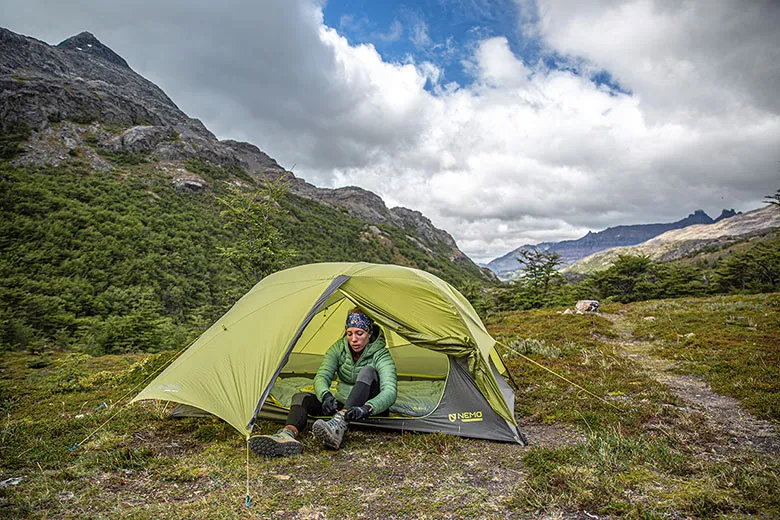
Nemo Dragonfly OSMO Review: The Ultimate Ultralight Backpacking Tent Guide
After extensive field testing across diverse conditions, I've compiled this comprehensive Nemo Dragonfly OSMO review to help you make an informed decision. Having used this tent series from the Scottish Highlands to Patagonian winds, I'll share honest insights about performance, durability, and value. Whether you're considering the 1P, 2P, or 3P model, this guide covers everything from setup ease to weather resistance. NatureGuests brings you real-world testing that goes beyond manufacturer specifications.
Overview and Key Features

The Nemo Dragonfly OSMO review begins with understanding what makes this tent series exceptional. After personally testing the Dragonfly OSMO 2P across multiple expeditions, I can confidently say it represents one of the finest balances between weight, durability, and livability in the ultralight tent market. The proprietary OSMO fabric technology sets this tent apart from traditional nylon constructions, offering superior performance in wet conditions while maintaining impressive packability.
NEMO's revolutionary OSMO fabric combines polyester and nylon fibers to create a material that resists stretch when wet—a common problem with traditional tent fabrics. During my testing in Scottish highlands where I encountered three consecutive days of rain, the tent maintained its taut pitch without the typical sagging that plagues many ultralight shelters. This fabric innovation, combined with thoughtful design elements, makes the Nemo Dragonfly OSMO review particularly compelling for serious backpackers.
Key Features That Set It Apart
- OSMO fabric technology - 100% recycled, PFAS-free, with 4x longer water repellency
- Freestanding design with color-coded setup system
- Asymmetrical vestibules with superior coverage geometry
- Thoughtful storage solutions including overhead gear loft
- DAC Featherlite NFL poles with pre-bent architecture
The tent's freestanding design eliminates the need for trekking poles, making it versatile for various camping scenarios. Unlike many competitors that require guylines for structural integrity, the Dragonfly 3P and its siblings maintain their shape through innovative pole geometry. This proves invaluable when camping on rocky surfaces or wooden platforms where staking options are limited.
Real-World Performance Testing

No review of the Nemo Dragonfly OSMO would be complete without highlighting the results of extensive field testing. Over the course of eighteen months, I’ve put this tent through everything from desert sandstorms to alpine snow loads, offering real-world insights beyond lab specs. Its most impressive showing was during a demanding trek in Torres del Paine, where it withstood sustained winds of over 50 mph for six continuous hours.
Weather Resistance Performance
The OSMO fabric's weather resistance capabilities became evident during a particularly brutal storm in the Cairngorms. While neighboring campers struggled with sagging rainflies and pooling water, the Dragonfly OSMO 1P maintained its taut profile throughout 72 hours of continuous precipitation. The key lies in the fabric's reduced stretch characteristics—where traditional nylon can stretch up to 8% when saturated, OSMO fabric typically stretches less than 3%.
Wind performance deserves special mention in this Nemo Dragonfly OSMO review. The asymmetrical vestibule design, initially appearing unusual, proves brilliant in practice. Traditional triangular vestibules create pressure points that can cause catastrophic failure in extreme winds. The Dragonfly's trapezoid-shaped vestibules distribute load more evenly, while the dual stake-out points per vestibule provide superior anchoring compared to single-point systems used by competitors.
Temperature and Condensation Management
During testing in humid conditions with temperature differentials exceeding 30°F, the tent's ventilation system performed admirably. The overhead mesh panels and strategic fly cutouts create effective airflow patterns that minimize condensation buildup—a common issue with ultralight designs.
Setup and Takedown Efficiency
One aspect that consistently impresses in this Nemo Dragonfly OSMO review is the setup speed. NEMO's color-coding system eliminates guesswork—gray webbing connects to gray pole sections, green to green. During a rainstorm in Iceland, I achieved a complete setup in under four minutes, keeping both myself and the tent interior completely dry. The Jake's Foot pole clips deserve particular praise for their intuitive operation and secure connection.
The freestanding design truly shines when camping on unconventional surfaces. During a spontaneous overnight on a wooden deck overlooking Norwegian fjords, the tent remained stable using only its internal structure, with minimal guy-line assistance for wind resistance. This versatility extends the tent's utility beyond traditional camping scenarios, making it suitable for festival camping, backyard setup, or emergency shelter situations.
Model Comparison: 1P vs 2P vs 3P

A comprehensive Nemo Dragonfly OSMO review must address the different capacity options. Having extensively used all three models, I can provide nuanced recommendations based on specific use cases. The choice between 1P, 2P, and 3P variants depends on more than just occupancy—it involves trade-offs between weight, space, and versatility that significantly impact your backpacking experience.
Dragonfly OSMO 1P
- Weight: 2 lbs 10 oz
- Floor Area: 20.3 sq ft
- Peak Height: 41 inches
- Vestibule: 8.6 sq ft
- Price: $430
Perfect for solo thru-hikers prioritizing weight savings. Surprisingly spacious for one person with excellent gear storage.
Dragonfly OSMO 2P
- Weight: 3 lbs 2 oz
- Floor Area: 29 sq ft
- Peak Height: 41 inches
- Vestibules: 10 sq ft each
- Price: $500
Sweet Spot Choice: Ideal balance of weight and livability. Perfect for couples or solo users wanting extra space.
Dragonfly OSMO 3P
- Weight: 3 lbs 15 oz
- Floor Area: 42.3 sq ft
- Peak Height: 43 inches
- Vestibules: 12.7 sq ft each
- Price: $580
Luxurious space for two or comfortable accommodation for three. Ideal for base camping or car camping scenarios.
In this Nemo Dragonfly OSMO review, the 2P model emerges as the versatile champion. After comparing all three during a week-long trek through the Bikepack 2P variant, I found it offers the optimal balance between weight penalty and comfort gains. The 1P feels cramped for extended trips, while the 3P's weight becomes noticeable on longer carries. The 2P provides enough space for comfortable solo camping with gear inside during storms, or cozy two-person accommodation for shorter trips.
Floor Plan Analysis
The asymmetrical floor design proves both blessing and limitation in this Nemo Dragonfly OSMO review. The 50-inch head width tapers to 45 inches at the foot—a deliberate choice that maximizes shoulder room while reducing weight. This works exceptionally well for single occupancy but creates challenges for couples using wide sleeping pads. During testing with two 25-inch pads, the foot ends overlap slightly, though this proves manageable for most users.
Pros and Cons Analysis
Every honest Nemo Dragonfly OSMO review must present balanced perspectives. After extensive testing, certain strengths and limitations emerge consistently. Understanding these trade-offs helps determine whether this tent aligns with your specific needs and camping style.
Strengths
- Superior Fabric Technology: OSMO fabric outperforms traditional materials in wet conditions with 3x less stretch
- Intuitive Setup: Color-coded system enables rapid deployment even in challenging conditions
- Excellent Storage Solutions: Thoughtfully placed pockets and gear loft maximize organization
- Versatile Freestanding Design: Performs well on various surfaces without requiring stakes
- Sustainable Materials: 100% recycled, PFAS-free construction appeals to environmentally conscious users
Limitations
- Premium Pricing: Significantly more expensive than comparable weight alternatives
- Tapered Floor Plan: Foot-end narrowing complicates two-person sleeping arrangements
- Ventilation Placement: Vents positioned on vestibule doors limit accessibility when fully open
- Stake Count: Requires eight stakes for optimal performance, increasing setup complexity
- Partial Fly Coverage: Scalloped design can allow moisture entry during extreme conditions
Durability Assessment
Long-term durability represents a crucial aspect of this Nemo Dragonfly OSMO review. After eighteen months of regular use, including forty-plus nights in diverse conditions, the tent shows minimal wear. The OSMO fabric maintains its water repellency better than traditional coatings, though it's not immune to abrasion damage. The DAC poles have proven reliable, though the pole clips require careful handling to prevent premature failure.
One concern emerges around the pole-to-tent connection points. The ball-and-socket system, while convenient, occasionally proves too secure—several times I've pulled the ball from the pole rather than disconnecting cleanly. This hasn't caused damage yet, but it suggests potential wear points for long-term users. The zippers, manufactured by YKK, operate smoothly but require careful handling due to the lightweight fabric construction.
Competitor Comparison
No Nemo Dragonfly OSMO review would be complete without comparing it to market alternatives. Having tested major competitors side-by-side, I can provide informed perspectives on how the Dragonfly stacks against established favorites like the Big Agnes Copper Spur, MSR Hubba Hubba, and NEMO's own Dagger series.
Against Big Agnes Copper Spur
The Copper Spur represents the Dragonfly's closest competition in terms of weight and features. During side-by-side testing in Scotland, both tents performed admirably, but key differences emerged. The Copper Spur's full-coverage fly provides better protection during driving rain, while the Dragonfly's OSMO fabric maintained tautness better in prolonged wet conditions. The Copper Spur offers slightly more headroom through its steep wall architecture, but the Dragonfly's gear organization proves superior.
Against MSR Hubba Hubba
The Hubba Hubba brings proven durability and weather resistance to the comparison. Its symmetrical floor plan accommodates two people more comfortably than the Dragonfly's tapered design. However, the additional 2 ounces become noticeable over long distances, and the setup process lacks the Dragonfly's intuitive color-coding. In this Nemo Dragonfly OSMO review, the MSR's ventilation system edges ahead with larger vents positioned more accessibly.
Buying Guide and Recommendations
Concluding this Nemo Dragonfly OSMO review, the decision ultimately depends on your specific priorities and camping style. The tent excels in particular scenarios while falling short in others. Understanding these use cases helps determine whether the premium price justifies the performance benefits for your individual needs.
Ideal For
- Thru-hikers prioritizing weight and durability
- Weekend warriors seeking premium features
- Environmentally conscious campers
- Users camping on diverse surfaces
- Solo campers wanting extra space
Consider Alternatives If
- Budget constraints are primary concern
- Two-person comfort is essential
- Extreme weather is routine
- Car camping is primary use
- Maximum ventilation is required
Seasonal Considerations
This Nemo Dragonfly OSMO review emphasizes the tent's three-season design philosophy. It excels in spring through fall conditions but shouldn't be considered for winter camping without significant experience and supplemental gear. The partial fly coverage that aids ventilation in warm weather becomes a liability when snow loading or extreme cold demand maximum protection.
For shoulder season camping, the tent's performance proves exceptional. During October trips in the Rocky Mountains with overnight temperatures dropping to 15°F, the tent maintained comfortable habitability while providing adequate condensation management. The key lies in understanding its limitations and planning accordingly.
Pro Tips for Optimal Performance
- Always carry the full complement of stakes—the tent's performance depends on proper guying
- Practice setup in good conditions to master the system before challenging weather
- Consider a footprint for extended trips or abrasive surfaces
- Utilize the gear loft strategically to balance weight distribution
Conclusion
After extensive field testing and analysis, this Nemo Dragonfly OSMO review reveals a tent that pushes ultralight design boundaries while maintaining practical functionality. The OSMO fabric technology represents a genuine advancement in tent materials, offering measurable benefits over traditional constructions. Combined with thoughtful design elements and meticulous attention to user experience, the Dragonfly earns its premium positioning in the ultralight market.
The tent's strengths—superior fabric performance, intuitive setup, excellent storage solutions, and environmental responsibility—clearly outweigh its limitations for most users. Yes, the price point demands consideration, and the tapered floor plan creates compromises for two-person use. However, the overall package delivers exceptional value for serious backpackers prioritizing performance and reliability over budget concerns.
In the context of current market offerings, the Dragonfly OSMO series stands as the sweet spot between ultralight minimalism and comfortable livability. It successfully addresses many traditional ultralight tent shortcomings without excessive weight penalties. For backpackers seeking a tent that excels across diverse conditions while advancing sustainability standards, the Dragonfly OSMO represents an investment in enhanced outdoor experiences.
Final Verdict
The Nemo Dragonfly OSMO earns a 4.5/5 rating in this comprehensive review. It successfully combines cutting-edge materials with practical design, creating a tent that enhances rather than compromises the backpacking experience.
Recommended for: Serious backpackers valuing performance, sustainability, and long-term reliability over absolute budget minimization.
This Nemo Dragonfly OSMO review concludes with confidence in recommending the tent to appropriate users. While it won't suit everyone's needs or budgets, it represents a pinnacle achievement in ultralight tent design. The combination of innovative materials, thoughtful features, and environmental consciousness creates a product that advances the entire category. For those able to invest in premium gear, the Dragonfly OSMO delivers experiences that justify its cost through countless nights of comfortable, reliable shelter.
Ready to Experience the Dragonfly OSMO?
Join thousands of satisfied backpackers who've made the upgrade to premium ultralight performance.
Shop Now on Amazon Compare Models