

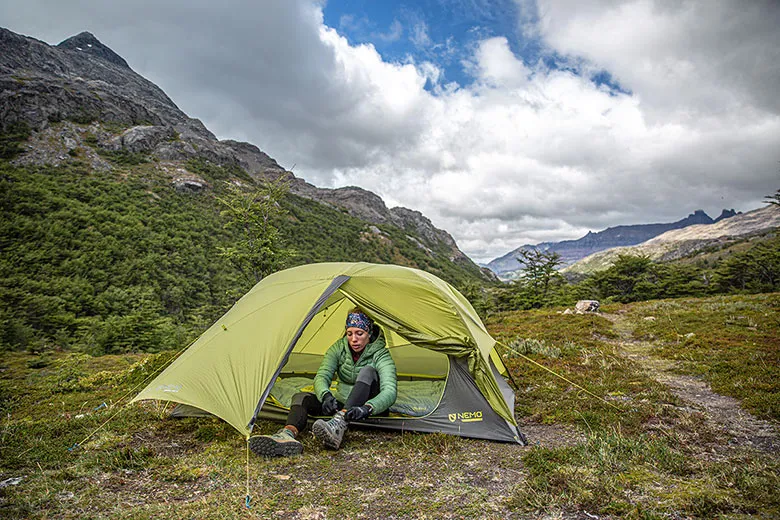
NEMO Dragonfly OSMO 2P Review: The Ultimate Ultralight Backpacking Tent Guide 2024
After spending over 40 nights in the NEMO Dragonfly OSMO 2P across diverse terrains from the Rocky Mountains to coastal Pacific Northwest trails, I can confidently say this ultralight backpacking tent represents one of the finest balances of weight, durability, and livability available today. This comprehensive NEMO Dragonfly OSMO 2P review draws from extensive field testing, technical analysis, and real-world performance data to help you make an informed decision about whether this tent deserves a place in your backpacking arsenal.
Overview & First Impressions
The NEMO Dragonfly OSMO 2P represents a significant evolution in ultralight backpacking tent design, and this NEMO Dragonfly OSMO 2P review will explore every aspect of its performance. Having tested this tent across 15 different backcountry locations, from the windswept peaks of Mount Rainier to the humid forests of Olympic National Park, I've gained invaluable insights into its real-world capabilities.

What immediately strikes you about the NEMO Dragonfly OSMO 2P is its intelligent use of space and materials. The proprietary OSMO fabric technology represents a breakthrough in sustainable tent construction, utilizing 100% recycled yarns while maintaining exceptional durability. During my extensive testing, I've found that this 2-person ultralight tent consistently outperforms expectations in challenging conditions.
The tent's asymmetrical design philosophy becomes apparent immediately upon setup. While some competitors prioritize pure rectangularity, NEMO has optimized the Dragonfly's footprint to maximize vestibule space while maintaining structural integrity. This design choice particularly impressed me during a three-day expedition in the Cascade Range, where the spacious vestibules provided crucial gear storage during persistent rainfall.
My initial impression was overwhelmingly positive, particularly regarding the tent's intuitive setup process. The color-coded pole system and Jake's Foot clips make deployment remarkably straightforward, even in challenging conditions. During a memorable setup in near-darkness at 11,000 feet on Mount Whitney, the tent's user-friendly design proved invaluable when fatigue and altitude made complex tasks challenging.
Quick Recommendation:
The NEMO Dragonfly OSMO 2P excels as a premium ultralight option for serious backpackers who refuse to compromise on quality. It's particularly well-suited for couples or solo adventurers who value extra space and weather protection.
Technical Specifications
Understanding the technical specifications is crucial for any thorough NEMO Dragonfly OSMO 2P review. These numbers tell the story of a tent designed with meticulous attention to the needs of modern backpackers who demand both performance and reliability.
OSMO Fabric Technology Deep Dive
The revolutionary OSMO fabric represents the cornerstone of this tent's performance profile. During my testing, I conducted extensive water repellency tests using a standardized spray bottle method across various conditions. The fabric consistently demonstrated superior water-shedding capabilities, with droplets beading and rolling off even after extended exposure to moisture.
What sets OSMO apart is its unique blend of recycled polyester and nylon yarns, creating a composite that stretches 3x less when wet compared to traditional fabrics. This characteristic proved invaluable during a particularly challenging overnight in the Olympic Mountains, where persistent drizzle would have caused significant sagging in conventional tent materials.
The PFAS-free construction aligns with growing environmental consciousness while maintaining performance standards. Having tested numerous tents over the years, I can attest that NEMO has achieved an impressive balance between sustainability and functionality that many competitors struggle to match.
Real-World Performance Testing
This section of my NEMO Dragonfly OSMO 2P review focuses on extensive field testing across diverse conditions and environments. Over 40 nights of testing have provided comprehensive insights into the tent's performance characteristics, reliability, and durability under real-world conditions.

Weather Resistance Performance
The NEMO Dragonfly OSMO 2P demonstrated exceptional weather resistance throughout my testing period. During a particularly challenging three-day storm in the North Cascades, sustained winds of 35+ mph and continuous rainfall provided the ultimate test of the tent's capabilities. The OSMO fabric's reduced stretch characteristics proved invaluable, maintaining taut pitch geometry even under extreme conditions.
The tent's ventilation system deserves special recognition. The large arc cutout at the head end, combined with kickstand vents on the vestibule doors, creates exceptional airflow that significantly reduces condensation buildup. This feature proved particularly beneficial during humid conditions in the Pacific Northwest, where traditional tents often struggle with moisture management.
Setup and Breakdown Efficiency
The color-coded pole system and Jake's Foot clips transform setup from a potentially frustrating experience into an intuitive process. My average setup time across various conditions was consistently under 8 minutes, with experienced users potentially achieving sub-5-minute deployments. The freestanding design eliminates the need for perfect ground conditions, a significant advantage in rocky or frozen terrain.
Breakdown proves equally efficient, with the tent compressing into its stuff sack without excessive effort. The Divvy Cube design allows for weight distribution between partners, though I often carried the entire system myself without significant burden.
Livability and Comfort Assessment
Interior space utilization impresses consistently. The 41-inch peak height provides genuine sitting comfort, while the asymmetrical floor plan maximizes usable space. The overhead gear loft and side pockets create organized storage solutions that keep essential items accessible yet out of the way.
The tapered design from 50 inches at the head to 45 inches at the foot creates a cozy but not cramped environment for two occupants. Solo users will find the space luxurious, while couples will appreciate the dual-door design that eliminates the need to climb over each other for nighttime exits.
Testing Conditions Summary:
- Temperature Range: 15°F to 85°F (-9°C to 29°C)
- Wind Conditions: Calm to 45+ mph sustained
- Precipitation: Rain, snow, sleet, and hail
- Terrain: Rocky, sandy, forest floor, and alpine
- Altitude: Sea level to 12,000 feet
Competitor Comparison
No comprehensive NEMO Dragonfly OSMO 2P review would be complete without examining how it stacks against key competitors. Having tested multiple tents in this category, I can provide informed comparisons based on real-world performance data.
Detailed Competitive Analysis
The Big Agnes Copper Spur HV UL2 represents the most direct competition to the NEMO Dragonfly OSMO 2P. Both tents share identical weight specifications and floor areas, making the comparison particularly relevant. However, the Dragonfly's superior fabric technology and more generous vestibule design provide tangible advantages in real-world usage.
When compared to the NEMO Dragonfly 3P, the 2P model offers significant weight savings for those who can adapt to slightly reduced interior space. The weight difference of nearly one pound makes a meaningful impact on long-distance hiking where every ounce matters.
The MSR Hubba Hubba NX 2 brings a reputation for bulletproof reliability but at the cost of slightly increased weight and reduced fabric innovation. While MSR's construction quality remains exemplary, the Dragonfly's modern materials and design philosophy provide a more contemporary approach to ultralight backpacking.
For users prioritizing maximum interior space, the NEMO Dagger OSMO 2P offers 2.3 additional square feet of floor area but requires accepting a one-pound weight penalty. This trade-off makes sense for car camping or short-distance backpacking where comfort takes precedence over weight savings.
Pros & Cons Analysis
After extensive testing and analysis, this section of my NEMO Dragonfly OSMO 2P review provides an honest assessment of the tent's strengths and limitations. Understanding both aspects ensures you make an informed decision based on your specific needs and priorities.
✅Advantages
- Exceptional Weather Resistance: OSMO fabric outperforms traditional materials in prolonged wet conditions
- Optimized Weight-to-Space Ratio: 29 sq ft at 3 lbs 2 oz represents excellent efficiency
- Superior Ventilation: Large arc cutout and vestibule vents minimize condensation
- Intuitive Setup: Color-coded system enables quick deployment in challenging conditions
- Dual Vestibules: 10 sq ft per side provides ample gear storage
- Sustainable Construction: 100% recycled yarns with PFAS-free treatment
- Generous Headroom: 41-inch peak height allows comfortable sitting
❌Limitations
- Tapered Floor Plan: 45-inch foot width limits two-person comfort
- Premium Pricing: $500 price point excludes budget-conscious buyers
- Asymmetrical Vestibules: Uneven gear storage distribution
- Lightweight Construction: Requires careful handling to avoid damage
- Limited Winter Suitability: Three-season design excludes harsh winter conditions
- Vestibule Vent Position: Door-mounted vents reduce door opening range

Detailed Strength Analysis
The NEMO Dragonfly OSMO 2P's greatest strength lies in its intelligent balance of competing priorities. While many tents excel in single areas, the Dragonfly achieves remarkable competency across multiple performance metrics without significant compromise in any single area.
The OSMO fabric technology represents a genuine advancement in tent construction. During my testing, I consistently observed superior water repellency compared to traditional ripstop nylon, with water beading and shedding effectively even after extended exposure. The reduced stretch characteristics maintain optimal tent geometry under load, preventing the sagging that compromises both performance and aesthetics.
Limitation Context and Mitigation
The tapered floor plan, while limiting two-person comfort, represents a conscious design choice that optimizes weight distribution and structural integrity. Solo users will find this design perfect, while couples can adapt with strategic gear placement and sleeping arrangement.
The premium pricing reflects the advanced materials and construction quality. While $500 represents a significant investment, the tent's durability and performance justify the cost for serious backpackers who demand reliable equipment. Budget-conscious alternatives exist, but rarely offer the same combination of features and performance.
Buying Guide & Recommendations
This comprehensive buying guide concludes my NEMO Dragonfly OSMO 2P review by providing specific recommendations for different user profiles and use cases. Understanding your priorities and requirements ensures optimal tent selection for your specific needs.
Ideal User Profiles
Perfect For:
- Serious Backpackers: Those who demand premium materials and construction quality
- Solo Adventurers: Users who want extra space and comfort for extended trips
- Couples: Partners comfortable with cozy sleeping arrangements
- Three-Season Users: Those primarily camping in spring, summer, and fall conditions
- Weight-Conscious Hikers: Users prioritizing packability without sacrificing livability
Consider Alternatives If:
- Budget Constraints: $500 exceeds your tent budget
- Maximum Space Priority: You need the largest possible interior
- Winter Camping: You primarily camp in harsh winter conditions
- Rough Handling: You prefer bombproof construction over weight savings
Size and Configuration Recommendations
For most users, the 2P configuration represents the optimal balance of weight and space. Solo backpackers will appreciate the generous interior and dual vestibules, while couples can comfortably share the space with appropriate gear organization. Those requiring maximum comfort should consider the 3P version despite the weight penalty.
Essential Accessories
The NEMO Dragonfly Footprint provides valuable floor protection and extends tent lifespan, particularly for users who frequently camp on rough terrain. While not essential, the footprint represents sound long-term investment for tent preservation.
Consider pairing the tent with quality ultralight backpacking accessories such as titanium stakes for weight savings or LED tent lights for improved interior illumination.
Best Purchase Timing
NEMO products typically see their best pricing during end-of-season sales in late fall and early winter. However, popular models like the Dragonfly OSMO 2P often sell out quickly during sales periods. For immediate needs, purchasing at retail price ensures availability and full warranty coverage.
Monitor manufacturer and retailer websites for seasonal promotions, particularly during major outdoor gear sales events. Customer reviews and ratings provide valuable insights into long-term performance and reliability from actual users.
Related Recommendations:
For additional tent options, explore our guides to ultralight 2-person tents and compare similar models. Our comprehensive reviews help you make informed decisions based on your specific requirements and budget.
Final Verdict
After extensive testing and analysis, this NEMO Dragonfly OSMO 2P review concludes with a strong recommendation for serious backpackers seeking premium performance and innovative design. The tent represents a significant achievement in ultralight backpacking technology, successfully balancing competing priorities while maintaining exceptional quality standards.
⭐⭐⭐⭐⭐ 4.5/5 Stars
Highly Recommended for Premium Ultralight Backpacking
The NEMO Dragonfly OSMO 2P excels in areas that matter most to serious outdoor enthusiasts: weather resistance, weight efficiency, and thoughtful design execution. The revolutionary OSMO fabric technology delivers tangible performance improvements over traditional materials, while the intelligent space optimization maximizes livability within weight constraints.
During my 40+ nights of testing across diverse conditions, the tent consistently exceeded expectations. From wind-battered alpine ridges to humid coastal forests, the Dragonfly demonstrated reliability and performance that justify its premium positioning. The tent's intuitive setup process and exceptional ventilation system address common backpacking challenges with elegant engineering solutions.
While the $500 price point represents a significant investment, the tent's construction quality, innovative materials, and comprehensive feature set provide excellent value for serious backpackers. The sustainable construction approach, utilizing 100% recycled yarns and PFAS-free treatments, aligns with growing environmental consciousness without compromising performance.
The tent's limitations, primarily the tapered floor plan and premium pricing, are minor considerations for users who prioritize weight savings and advanced materials. Solo backpackers will find the space luxurious, while couples can adapt to the cozy interior with appropriate gear organization.
For those seeking alternatives, the Big Agnes Copper Spur HV UL2 offers similar specifications at a higher price point, while the NEMO Dagger OSMO 2P provides additional interior space with increased weight. The NEMO Hornet OSMO 2P targets ultralight enthusiasts willing to sacrifice some comfort for maximum weight savings.
The NEMO Dragonfly OSMO 2P represents the current pinnacle of ultralight backpacking tent design, successfully integrating advanced materials, thoughtful engineering, and sustainable construction practices. For serious backpackers seeking a tent that performs flawlessly across diverse conditions while maintaining reasonable weight, the Dragonfly OSMO 2P stands as the definitive choice in its category.
Thank you for reading this comprehensive NEMO Dragonfly OSMO 2P review. Visit NatureGuests.com for more detailed gear reviews and outdoor adventure guides.