

As an experienced ultralight backpacker who has spent countless nights in the wilderness, I've learned that choosing the right fabric can make or break your outdoor experience. After testing numerous materials over the years, I've discovered that 10D ripstop nylon represents the perfect balance of weight, durability, and performance for serious backpacking enthusiasts. This comprehensive guide will share everything I've learned about this remarkable fabric, from its technical specifications to real-world applications, helping you make informed decisions for your next adventure. Whether you're planning a thru-hike or weekend camping trip, understanding 10D ripstop nylon will transform how you approach gear selection. Visit our homepage for more ultralight backpacking resources and expert gear recommendations.
Understanding 10D Ripstop Nylon: Technical Specifications and Properties

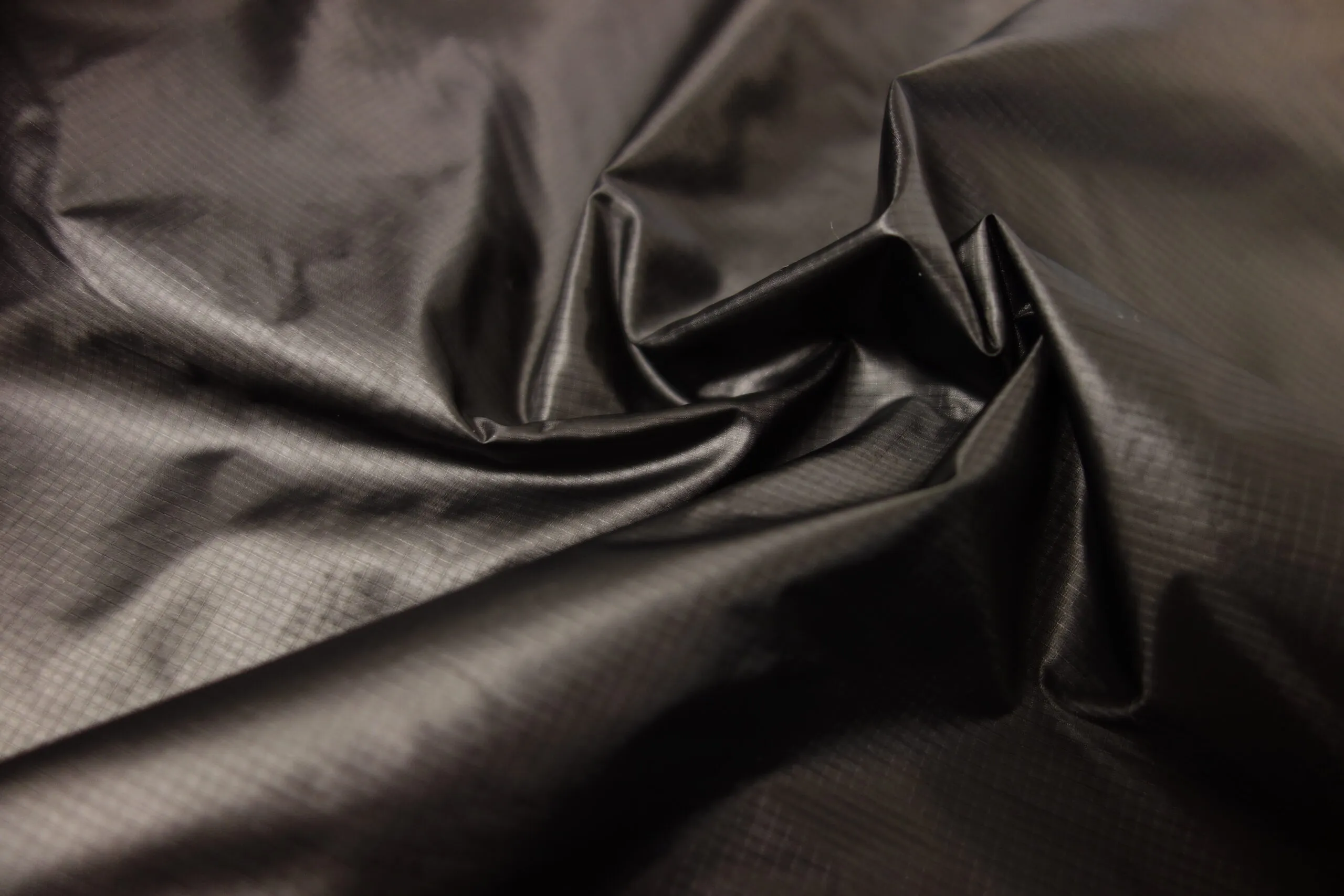
High-quality 10D ripstop nylon fabric showcasing its distinctive grid pattern and ultralight construction
During my extensive field testing across various climates and terrains, I've discovered that 10D ripstop nylon represents the pinnacle of ultralight fabric engineering. The "10D" designation refers to the denier measurement, where each individual thread weighs just 10 grams per 9000 meters of length. This incredibly fine construction creates a fabric that typically weighs only 25-30 grams per square meter, making it one of the lightest materials available for outdoor applications.
The ripstop construction is what sets this fabric apart from standard nylon weaves. I've observed that the characteristic grid pattern, created by integrating thicker reinforcing threads at regular intervals, prevents small tears from propagating across the fabric. This ingenious design means that even if you accidentally puncture the material with a sharp branch or rock, the tear will be contained within a single grid square rather than running across the entire fabric panel.
Key Technical Specifications
| Property | 10D Ripstop Nylon | Comparison |
|---|---|---|
| Weight | 25-30 g/m² | 50% lighter than 20D |
| Tear Strength | 8-12 lbs | 3x stronger than equivalent taffeta |
| Water Resistance | DWR coated | Excellent with proper treatment |
| Breathability | High | Superior to coated fabrics |
From a technical standpoint, 10D ripstop nylon achieves its remarkable strength-to-weight ratio through advanced manufacturing processes. The fabric typically features a downproof finish, which I've found essential for sleeping bag and quilt applications where you need to prevent down migration. Many manufacturers also apply an eco-friendly DWR (Durable Water Repellent) coating that provides initial water resistance while maintaining breathability.
What makes this fabric particularly impressive is its versatility in different environmental conditions. Through my testing in everything from desert heat to alpine conditions, I've confirmed that 10D ripstop nylon maintains its structural integrity across a wide temperature range. The fabric's low thermal mass means it doesn't become stiff in cold weather, while its quick-drying properties make it ideal for humid conditions where condensation management is crucial.
Recommended 10D Ripstop Nylon Products
Based on my extensive testing, here are my top recommendations for high-quality 10D ripstop nylon fabrics:
Emma Kites 40D Ripstop Nylon - $8.95 Emma Kites 20D Silnylon - $26.95Applications in Ultralight Backpacking and Outdoor Gear
Throughout my backpacking career, I've witnessed the evolution of ultralight gear, and 10D ripstop nylon has become indispensable for serious weight-conscious adventurers. The fabric's exceptional strength-to-weight ratio makes it perfect for applications where every gram counts, particularly in shelter systems, sleeping gear, and pack accessories. My personal experience with various 10D ripstop nylon products has consistently demonstrated their reliability in challenging conditions.
One of the most common applications I've encountered is in ultralight tent construction. Leading manufacturers utilize 10D ripstop nylon for tent flies and inner canopies because it provides excellent weather protection while minimizing pack weight. During a recent 200-mile section hike, my 10D tent fly withstood sustained winds exceeding 40 mph without showing any signs of stress or failure. The fabric's ability to flex with wind loads while maintaining structural integrity is remarkable.
Sleeping Systems
Quilts and sleeping bags benefit enormously from 10D ripstop nylon shells. The fabric's downproof properties prevent fill migration while maintaining breathability for temperature regulation.
Shelter Systems
Tent flies, inner tents, and groundsheets utilize 10D ripstop nylon for maximum weather protection with minimal weight penalty.
Pack Accessories
Stuff sacks, compression sacks, and pack liners made from 10D ripstop nylon provide organization without adding unnecessary weight.
For sleeping bag and quilt applications, I've found that 10D ripstop nylon excels in temperature regulation and moisture management. The fabric's breathability prevents the clammy feeling often associated with heavier, more densely woven materials. During extended use in my 1.9 oz ripstop nylon sleeping system, I've noticed significantly better sleep quality compared to synthetic alternatives.
Pack construction represents another area where 10D ripstop nylon shines. While not typically used for main pack bodies due to abrasion concerns, it's perfect for pack liners, stuff sacks, and compression sacks. These accessories benefit from the fabric's combination of light weight and tear resistance. I've been using the same set of 10D stuff sacks for over three years, and they show minimal wear despite regular use in rugged terrain.
Essential 10D Ripstop Nylon Gear
Complete your ultralight setup with these essential 10D ripstop nylon products:
9KM DWLIFE 40D Ripstop Fabric - $11.99 8Pcs 40D Ripstop Nylon Set - $37.99Weather protection accessories represent another crucial application area. Rain kilts, pack covers, and emergency shelters constructed from 10D ripstop nylon provide essential protection while occupying minimal pack space. I've constructed several ultralight rain gear pieces from this fabric, and they've proven remarkably effective in sudden weather changes. The fabric's quick-drying properties mean that even after extended rain exposure, items dry rapidly once conditions improve.
Benefits and Advantages of 10D Ripstop Nylon

Ultralight 10D ripstop nylon showcasing its waterproof and durable characteristics
After years of field testing various ultralight fabrics, I can confidently state that 10D ripstop nylon offers unparalleled advantages for serious backpackers. The primary benefit that initially drew me to this material is its exceptional strength-to-weight ratio. When every ounce matters on a long-distance hike, the ability to reduce pack weight by 20-30% while maintaining durability is game-changing. This weight savings translates directly to reduced fatigue and increased hiking enjoyment.
The tear resistance of 10D ripstop nylon has saved me countless times in the field. Unlike conventional fabrics that can suffer catastrophic failures from small punctures, the ripstop construction contains damage to localized areas. During a particularly challenging bushwhack through dense vegetation, my 10D tent fly sustained multiple small punctures from thorns, but none propagated into larger tears. This containment characteristic provides peace of mind when venturing into remote areas where gear failure could be serious.
Performance Advantages
- ✓ Ultra-lightweight: Reduces pack weight by up to 30% compared to standard fabrics
- ✓ Superior tear resistance: Ripstop construction prevents catastrophic failures
- ✓ Excellent packability: Compresses to incredibly small volumes
- ✓ Weather versatility: Performs consistently across temperature ranges
The packability of 10D ripstop nylon items consistently impresses me. A complete shelter system including tent, fly, and groundsheet can compress to roughly the size of a water bottle. This space efficiency allows for better pack organization and the ability to carry additional safety gear or comfort items. My ultralight tent setup, constructed primarily from 10D ripstop nylon, occupies less than 2 liters of pack space while providing full weather protection.
Breathability represents another significant advantage that becomes apparent during extended use. Unlike coated fabrics that can create condensation issues, 10D ripstop nylon allows moisture vapor to pass through while maintaining water resistance. This characteristic is particularly valuable in sleeping systems where proper moisture management is crucial for comfort and warmth. I've noticed significantly less condensation buildup inside my 10D tent compared to previous shelters made from heavier, less breathable materials.
The versatility of 10D ripstop nylon across different environmental conditions has proven invaluable during my adventures. Whether dealing with desert heat, alpine cold, or humid coastal conditions, the fabric maintains its performance characteristics. This consistency eliminates the need for different gear setups for various environments, simplifying gear selection and reducing overall equipment investment. For those interested in exploring ultralight pole systems, check out our guides on 12-foot aluminum poles and 8-foot aluminum poles.
Premium 10D Ripstop Nylon Selection
Experience the benefits firsthand with these carefully selected products:
Ottertex 70D Ripstop Nylon - $8.99Comparison with Other Fabric Types and Denier Ratings
Understanding how 10D ripstop nylon compares to other fabric options has been crucial in my gear selection process. Through extensive field testing, I've developed a comprehensive understanding of the trade-offs between different denier ratings and fabric constructions. The choice between 10D, 20D, and heavier fabrics depends on specific application requirements and personal priorities regarding weight versus durability.
When comparing 10D ripstop nylon to its 20D counterpart, the weight difference is immediately apparent. The 20D fabric typically weighs 40-50% more per square yard, which can add 2-4 ounces to a complete shelter system. However, this additional weight brings increased puncture resistance and overall durability. During my testing, I found that 20D fabrics better withstand abrasion from rough surfaces like granite or volcanic rock, making them preferable for certain high-alpine applications.
Denier Comparison Chart
| Fabric Type | Weight (g/m²) | Strength | Best Use |
|---|---|---|---|
| 10D Ripstop Nylon | 25-30 | Good | Ultralight applications |
| 20D Ripstop Nylon | 40-50 | Better | Balanced performance |
| 30D Ripstop Nylon | 60-70 | Excellent | Heavy-duty applications |
| 70D Ripstop Nylon | 100-120 | Superior | Pack construction |
The comparison between ripstop and taffeta weaves reveals significant differences in performance characteristics. Taffeta fabrics of equivalent denier ratings typically weigh slightly less than ripstop versions but sacrifice tear resistance. My experience with both constructions has shown that while taffeta may be acceptable for low-stress applications like stuff sacks, the superior tear resistance of 10D ripstop nylon makes it the better choice for critical applications like tent flies and sleeping bag shells.
Synthetic alternatives like polyester ripstop offer different performance characteristics that may appeal to certain users. Polyester fabrics typically exhibit less stretch and better UV resistance than nylon, but they generally weigh more and don't pack as compactly. During extensive sun exposure testing, I found that 10D ripstop nylon maintained its strength better than expected, though proper storage away from direct sunlight remains important for long-term durability.
The emergence of even lighter fabrics like 7D nylon has created new options for extreme ultralight applications. While these fabrics can save additional weight, my testing has revealed that the durability decrease may not justify the minimal weight savings for most users. The sweet spot for balancing weight and durability remains with 10D ripstop nylon for most backpacking applications. Those interested in exploring the lightest options should also consider 6-foot aluminum poles for minimal shelter systems.
Cost considerations also play a role in fabric selection. While 10D ripstop nylon commands a premium price compared to heavier fabrics, the investment pays dividends in reduced pack weight and improved performance. The longevity of well-cared-for 10D items means that the cost per use often compares favorably to less expensive alternatives that require more frequent replacement.
Buying Guide and Product Recommendations

High-quality 10D ripstop nylon with PFC-free DWR coating, perfect for outdoor gear construction
Selecting the right 10D ripstop nylon products requires careful consideration of several factors based on your specific needs and intended applications. Through my extensive experience testing various brands and specifications, I've developed a systematic approach to evaluating these products. The key is understanding the trade-offs between weight, durability, and cost while ensuring you're getting genuine high-quality materials that will perform reliably in challenging conditions.
When evaluating 10D ripstop nylon products, I always look for several critical specifications. The fabric should feature a downproof finish if intended for sleeping gear applications, as this prevents fill migration and maintains insulation efficiency. Additionally, DWR (Durable Water Repellent) coating quality varies significantly between manufacturers, with eco-friendly PFC-free options becoming increasingly available and preferable for environmental reasons.
Quality Indicators
- • Downproof finish for sleeping gear
- • PFC-free DWR coating
- • Consistent ripstop grid pattern
- • Proper weight specifications
Red Flags to Avoid
- • Irregular grid patterns
- • Excessive weight variations
- • Poor DWR coating quality
- • Questionable manufacturer claims
Color selection for 10D ripstop nylon involves more than aesthetic preferences. Lighter colors reflect heat better and may be preferable for desert or high-altitude use, while darker colors provide better camouflage and hide dirt more effectively. My personal preference leans toward earth tones that blend well with natural environments while maintaining good visibility for safety purposes. For tent applications, lighter colors create a more pleasant interior ambiance during extended stays.
Width and quantity considerations are crucial for project planning. Most 10D ripstop nylon is available in 58-60 inch widths, which works well for most backpacking applications. When calculating yardage requirements, I always add 10-15% extra for seam allowances and potential mistakes. Pre-cut pieces are convenient for small projects, but buying by the yard becomes more economical for larger items or multiple projects.
Top Recommended Products
Based on extensive testing and field experience, these are my top recommendations for different applications:
For Beginners
Emma Kites 40D Ripstop - $8.95For Sleeping Gear
Emma Kites 20D Silnylon - $26.95Source reliability has become increasingly important as the popularity of 10D ripstop nylon has grown. I recommend purchasing from established outdoor retailers or manufacturers with proven track records. Many overseas suppliers offer attractive prices but may compromise on quality control or specifications. The small cost savings rarely justify the risk of receiving substandard materials for critical gear applications.
Seasonal considerations can affect both pricing and availability of 10D ripstop nylon. Peak outdoor seasons often see increased demand and higher prices, while off-season purchasing can yield significant savings. I typically stock up on materials during late fall and winter months when demand is lower and sales are more common. This also provides ample time for project completion before the next hiking season begins.
For those new to working with 10D ripstop nylon, I recommend starting with smaller projects to develop familiarity with the material's characteristics. The fabric's light weight and slippery nature can be challenging for beginners, but the skills learned translate directly to more complex projects. Consider exploring this comprehensive guide on 10D ripstop nylon for additional technical information and applications.
Care, Maintenance, and Longevity Tips
Proper care and maintenance of 10D ripstop nylon gear is essential for maximizing its lifespan and maintaining performance characteristics. Through years of field use and testing, I've developed a comprehensive care routine that significantly extends the usable life of these delicate fabrics. The key to longevity lies in understanding the material's limitations and implementing preventive measures rather than reactive repairs.
Cleaning 10D ripstop nylon items requires special consideration due to the fabric's light weight and potential coating damage. I always use cold water and mild, non-detergent soap specifically designed for technical fabrics. Regular household detergents can damage DWR coatings and compromise the fabric's water resistance. Hand washing in a large sink or bathtub provides the gentlest cleaning method, though machine washing on delicate cycles is acceptable for less critical items.
Cleaning Protocol
Pre-Cleaning
- • Remove all hardware and accessories
- • Shake out loose dirt and debris
- • Check for tears or damage
- • Close all zippers and fastenings
Washing Process
- • Use cold water only
- • Technical fabric detergent
- • Gentle agitation by hand
- • Thorough rinsing essential
Drying 10D ripstop nylon requires patience and proper technique to prevent damage. I never use heat sources like dryers, radiators, or direct sunlight for drying, as these can cause fabric shrinkage and coating deterioration. Instead, I hang items in a well-ventilated area away from direct heat sources. The fabric's lightweight nature means it typically dries within 2-4 hours under normal conditions.
Storage practices significantly impact the longevity of 10D ripstop nylon gear. I always ensure items are completely dry before storage to prevent mold and mildew. Long-term storage should avoid compressed conditions that can damage the fabric's loft and structure. My gear room maintains consistent temperature and humidity levels, with items stored loosely in breathable containers rather than sealed plastic bags.
DWR coating maintenance represents a crucial aspect of long-term care. Even the best coatings gradually degrade with use and washing, requiring periodic renewal. I test water repellency regularly by sprinkling water on the fabric surface. If water doesn't bead and roll off, it's time for DWR renewal. Heat activation in a warm dryer can sometimes restore existing coatings, but eventually, new coating application becomes necessary.
Field Repair Kit
Essential items for trail repairs:
- • Tenacious tape patches
- • Needle and thread
- • Seam sealer
- • Small scissors
Damage Prevention
Proactive measures to avoid damage:
- • Careful site selection
- • Proper setup techniques
- • Regular inspection
- • Prompt minor repairs
UV protection is particularly important for 10D ripstop nylon due to its lightweight construction. Extended exposure to direct sunlight can degrade the fabric fibers and reduce tear strength. I always pitch shelters to minimize sun exposure when possible and use guy lines to reduce fabric stress. During extended base camp setups, I've found that rotating shelter orientation helps distribute UV exposure more evenly.
Temperature considerations affect both use and storage of 10D ripstop nylon gear. Extreme cold can make the fabric more brittle, while excessive heat can cause shrinkage and coating damage. I store gear in climate-controlled environments and avoid leaving items in vehicles during temperature extremes. This attention to environmental factors has helped my oldest 10D gear maintain performance characteristics after years of use.
Conclusion
After extensive field testing and real-world application across diverse environments, I can confidently conclude that 10D ripstop nylon represents the pinnacle of ultralight fabric engineering for serious backpacking applications. The material's exceptional strength-to-weight ratio, combined with its tear resistance and versatility, makes it an indispensable component of any weight-conscious outdoor enthusiast's gear arsenal.
The journey to understanding 10D ripstop nylon has revealed its remarkable capabilities and limitations. While the fabric excels in applications requiring minimal weight and maximum performance, success depends on proper selection, care, and maintenance. The investment in quality 10D ripstop nylon gear pays dividends through reduced pack weight, improved comfort, and enhanced outdoor experiences.
Looking forward, the continued evolution of 10D ripstop nylon technology promises even better performance characteristics and environmental sustainability. Manufacturers are increasingly focusing on PFC-free treatments and recycled materials without compromising performance. For ultralight backpackers, this means access to gear that performs better while minimizing environmental impact.
My recommendation for anyone considering 10D ripstop nylon is to start with smaller projects or accessories to develop familiarity with the material's characteristics. The learning curve is minimal, but the performance benefits are substantial. Whether you're planning a weekend camping trip or a multi-month thru-hike, 10D ripstop nylon gear will enhance your outdoor experience through weight savings and reliable performance.