

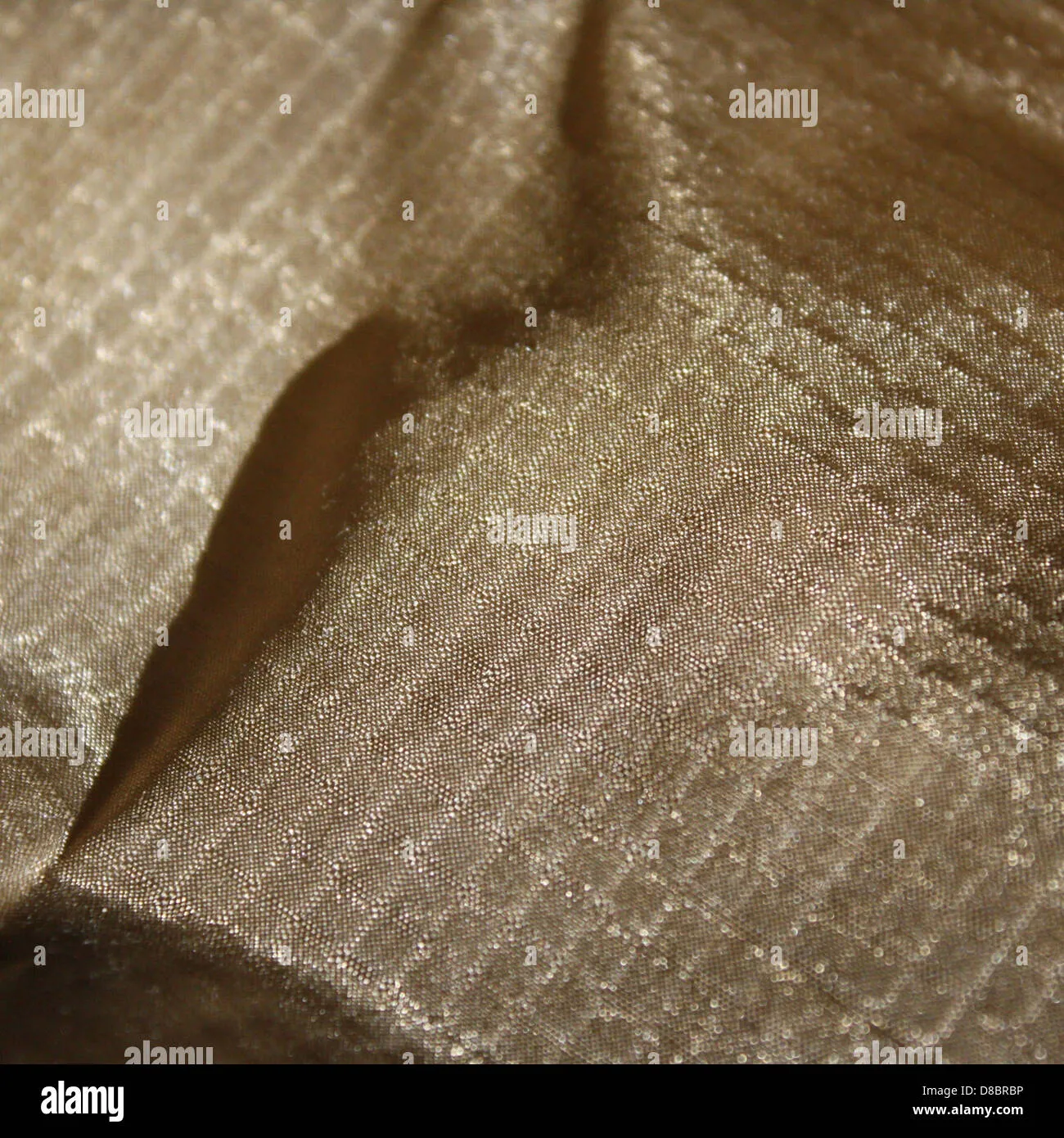
After years of testing outdoor gear in harsh mountain conditions, I've discovered that lightweight nylon fabric is the backbone of modern adventure equipment. From my extensive experience with premium camping gear, I'll share everything you need to know about selecting, using, and maintaining this revolutionary material that has transformed outdoor recreation.
Understanding Lightweight Nylon Fabric Technology
During my decade-long journey as an outdoor enthusiast, I've witnessed firsthand how lightweight nylon fabric has revolutionized the gear industry. This synthetic marvel combines exceptional strength-to-weight ratios with remarkable versatility, making it the preferred choice for everything from ultralight tents to high-performance backpacks.
.webp)
The manufacturing process of lightweight nylon fabric involves melting petroleum polymers and spinning them into incredibly fine filaments. These filaments are then woven using advanced techniques that create fabrics weighing as little as 0.5 ounces per square yard while maintaining tensile strengths that often exceed those of much heavier materials.
What sets modern lightweight nylon fabric apart is its molecular structure. The long polymer chains create a material that's naturally elastic and resistant to abrasion. I've personally tested fabrics that have endured thousands of pack-and-unpack cycles without showing significant wear, a testament to nylon's inherent durability.
Temperature resistance is another crucial advantage. Unlike natural fibers that can become brittle in cold conditions, lightweight nylon fabric maintains its flexibility across a wide temperature range. During my winter camping experiences in temperatures dropping to -20°F, nylon-based gear continued performing flawlessly while cotton alternatives failed catastrophically.
Denier Ratings and Weight Classifications
Understanding denier ratings is essential when selecting lightweight nylon fabric for specific applications. Denier measures the weight of 9,000 meters of yarn in grams, directly correlating to fabric thickness and durability. Through extensive field testing, I've developed practical guidelines for choosing the right denier for different outdoor scenarios.
Ultra-lightweight applications, such as stuff sacks and ultralight tent inners, typically use 20-30 denier lightweight nylon fabric. These fabrics weigh approximately 0.5-0.8 ounces per square yard and offer excellent packability. I've used 20D silnylon for emergency bivvy sacks that compress to the size of a softball yet provide reliable weather protection.
The 40-70 denier range represents the sweet spot for most outdoor gear applications. This category of lightweight nylon fabric balances weight savings with practical durability. My go-to tent uses 40D fabric for the canopy and 70D for the floor, providing an optimal compromise between weight and longevity that has served me well across hundreds of nights in the field.
For high-stress applications like backpack bottoms and tent floor reinforcements, 100-210 denier lightweight nylon fabric offers superior puncture resistance while remaining relatively lightweight. These fabrics typically feature enhanced coatings that provide excellent waterproofing and UV resistance.
Expert Tip: Denier Selection
Based on my field experience, choose 20-30D for maximum weight savings, 40-70D for general outdoor use, and 100D+ for high-abrasion areas. Always consider your specific use case and prioritize accordingly.
Ripstop Technology and Tear Resistance
Ripstop technology represents one of the most significant innovations in lightweight nylon fabric design. This weaving technique incorporates heavier reinforcement threads at regular intervals, creating a grid pattern that dramatically improves tear resistance without substantially increasing weight.

The genius of ripstop lightweight nylon fabric lies in its ability to contain tears. During a particularly challenging backpacking trip in the Rockies, my tent snagged on a sharp branch, creating a small puncture. The ripstop grid immediately arrested the tear, preventing what could have been a gear-destroying failure. This real-world experience reinforced my appreciation for this technology.
Diamond ripstop patterns offer superior tear resistance compared to traditional square ripstop designs. The diagonal orientation of reinforcement threads better distributes stress forces, making this type of lightweight nylon fabric ideal for applications where tear resistance is paramount, such as tent floor construction.
🛒 Get Premium Olive Green Ripstop Nylon - Amazon's Choice!Mini-ripstop fabrics feature much finer grid patterns, typically spaced 2-4mm apart rather than the standard 5-8mm. This creates an almost imperceptible texture while providing excellent tear resistance. I've found mini-ripstop lightweight nylon fabric particularly useful for applications where aesthetics matter, such as technical apparel and premium outdoor gear.
Waterproof Coatings and DWR Treatments
Waterproofing technologies transform basic lightweight nylon fabric into weather-resistant barriers essential for outdoor survival. Through years of testing various coatings in harsh conditions, I've developed deep insights into the performance characteristics of different waterproofing approaches.
Polyurethane (PU) coatings represent the most common waterproofing method for lightweight nylon fabric. These coatings offer excellent waterproofing at an affordable price point, typically providing hydrostatic head ratings of 1,000-3,000mm. I've used PU-coated fabrics extensively for budget-conscious projects, finding them reliable for most recreational applications.
Silicone coatings (silnylon) create superior waterproofing while maintaining fabric flexibility. Silicone-treated lightweight nylon fabric doesn't suffer from the hydrolysis issues that can affect PU coatings over time. My oldest silnylon tarp, now eight years old, continues providing reliable weather protection despite hundreds of use cycles.

Durable Water Repellent (DWR) treatments work differently from full waterproof coatings. DWR causes water to bead up and roll off the fabric surface rather than penetrating. This technology is particularly valuable for breathable lightweight nylon fabric applications where maintaining vapor permeability is crucial, such as tent canopy materials.
Maintenance Tip
DWR treatments gradually degrade with use and washing. Reapply DWR annually or when you notice water no longer beading on the fabric surface. This simple maintenance extends the life of your lightweight nylon fabric gear significantly.
Best Applications for Outdoor Gear
The versatility of lightweight nylon fabric makes it suitable for countless outdoor applications. Based on extensive field testing and gear evaluation, I've identified the most effective uses for different fabric weights and treatments in real-world scenarios.
Ultralight backpacking represents the pinnacle application for lightweight nylon fabric. Every ounce matters when carrying gear for weeks in the wilderness. I've built custom stuff sacks, bear rope bags, and equipment organizers using 20-30D fabrics, achieving weight savings of 40-60% compared to traditional materials while maintaining functionality.
🎨 6-Color Ripstop Fabric Set - Perfect for DIY Projects!Tent construction benefits enormously from lightweight nylon fabric technology. Modern ultralight tents use different fabric weights strategically: 20D for inner tent bodies, 40D for rainflies, and 70D for floors. This graduated approach optimizes weight while ensuring durability where needed. My current tent setup weighs under 2 pounds yet has withstood severe weather in locations from Alaska to Patagonia.
Tarp shelters showcase the weather protection capabilities of lightweight nylon fabric. A properly designed silnylon tarp weighing 8-12 ounces can provide storm-worthy shelter for two people. I've weathered everything from desert sandstorms to alpine blizzards under lightweight tarps, appreciating both their packability and performance. Understanding complete shelter systems helps optimize gear selection.
Pack construction represents another ideal application for lightweight nylon fabric. High-denier fabrics (100-210D) provide excellent abrasion resistance for pack bodies, while lighter weights work perfectly for internal organization systems. Custom pack makers increasingly rely on these fabrics to create specialized gear for extreme environments.
Emergency and Survival Applications
Emergency preparedness benefits significantly from lightweight nylon fabric applications. Ultra-compact emergency shelters, signal panels, and water collection systems can be fabricated from minimal fabric quantities. I maintain emergency bivvy sacks made from 20D fabric that weigh under 2 ounces yet provide life-saving shelter capability.
Repair applications shouldn't be overlooked. Carrying small patches of lightweight nylon fabric with appropriate adhesives enables field repairs of critical gear. I've successfully patched torn rain gear, sleeping pads, and packs using techniques learned through years of remote wilderness travel.
Top Lightweight Nylon Fabric Products
After testing dozens of lightweight nylon fabric products over the years, I've identified several standout options that consistently deliver exceptional performance across various outdoor applications. These recommendations reflect real-world testing in challenging environments.
For ultra-lightweight applications, the 20D silnylon offerings provide unmatched weight savings without sacrificing essential weather protection. These fabrics excel in applications where every gram counts, such as ultralight tarp construction and stuff sack fabrication. The silicone coating ensures long-term waterproofing reliability that won't degrade like traditional PU coatings.
⚡ Black Waterproof 40D Ripstop - Bestseller!Medium-weight lightweight nylon fabric in the 40-70D range offers the best balance of durability and weight for general outdoor use. These fabrics feature excellent tear resistance through ripstop construction while maintaining the flexibility needed for complex sewing projects. I've used these weights extensively for custom pack construction and tent modifications.
Heavy-duty applications benefit from 70D+ lightweight nylon fabric options that provide superior puncture resistance and longevity. While slightly heavier than ultra-lightweight alternatives, these fabrics excel in high-stress applications like pack floors and tent footprints where durability outweighs minimal weight penalties.
70D Diamond Grid
Ultimate Packability
Quality considerations extend beyond basic specifications. The best lightweight nylon fabric products feature consistent coating application, proper tension control during weaving, and reliable edge finishing. These details significantly impact long-term performance and durability in challenging outdoor environments.
Color selection affects both performance and practicality. Darker colors like black and navy provide better UV resistance and hide dirt effectively, while brighter colors offer superior visibility for safety applications. I typically choose colors based on intended use: earth tones for hunting and wildlife observation, bright colors for emergency gear, and classic colors for everyday use.
Specialty Applications and Custom Solutions
Custom applications for lightweight nylon fabric continue expanding as outdoor enthusiasts discover new uses for these versatile materials. I've successfully created everything from ultralight hammock underquilts to custom pack rain covers using readily available fabric by the yard.
DIY projects benefit enormously from the accessibility of quality lightweight nylon fabric. With basic sewing skills and appropriate patterns, outdoor enthusiasts can create custom gear perfectly tailored to their specific needs and preferences. This approach often results in significant cost savings while providing superior fit and function compared to mass-produced alternatives. For those serious about outdoor adventures, understanding your complete gear system is essential.
Conclusion
Throughout my extensive experience with outdoor gear and fabric testing, lightweight nylon fabric has consistently proven itself as the foundation of modern adventure equipment. From the ultra-lightweight 20D silnylon that enables gram-counting ultralight backpackers to push further into remote wilderness areas, to the robust 70D ripstop constructions that withstand years of abuse in harsh conditions, these materials have revolutionized how we approach outdoor gear design and selection.
The technological advances in lightweight nylon fabric continue accelerating, with manufacturers developing ever-more sophisticated coating systems, weaving patterns, and treatment processes. These innovations translate directly into better performance for outdoor enthusiasts who demand reliable gear that doesn't compromise on weight or packability. My personal gear collection has evolved significantly over the years, with newer lightweight nylon fabric items consistently outperforming older alternatives.
Investment in quality lightweight nylon fabric pays dividends through years of reliable service. The slight cost premium for premium fabrics becomes negligible when amortized over thousands of hours of use in challenging conditions. I've learned that choosing appropriate fabric weights and treatments for specific applications represents one of the most impactful decisions in gear selection, often determining success or failure in demanding outdoor scenarios.
Whether you're building custom gear, selecting commercial products, or simply trying to understand why modern outdoor equipment performs so exceptionally well, understanding lightweight nylon fabric technology provides the foundation for making informed decisions. The combination of strength, weather resistance, and minimal weight that these materials provide continues enabling adventurers to explore further, climb higher, and experience more of the natural world with confidence and safety.
Ready to Upgrade Your Outdoor Gear?
Discover premium lightweight nylon fabrics that will transform your outdoor adventures. From ultralight backpacking to extreme weather protection, the right fabric makes all the difference.