

The Complete History of Isle Royale National Park: From Ancient Copper Mines to Modern Wilderness
Discover the captivating history of Isle Royale National Park, from its ancient Native American copper mining legacy spanning over 4,500 years to its establishment as America's most remote wilderness sanctuary. This comprehensive guide explores how this isolated archipelago in Lake Superior transformed from a vital resource hub to one of our nation's most pristine national parks. Visit NatureGuests.com for more wilderness adventures.
Ancient Origins: Native American Copper Mining Legacy

The history of Isle Royale National Park begins not with European exploration, but with Native American ingenuity dating back over 4,500 years. Long before the island became a protected wilderness, it served as one of North America's most significant copper mining centers, operated by indigenous peoples who recognized the extraordinary value of this remote Lake Superior archipelago.
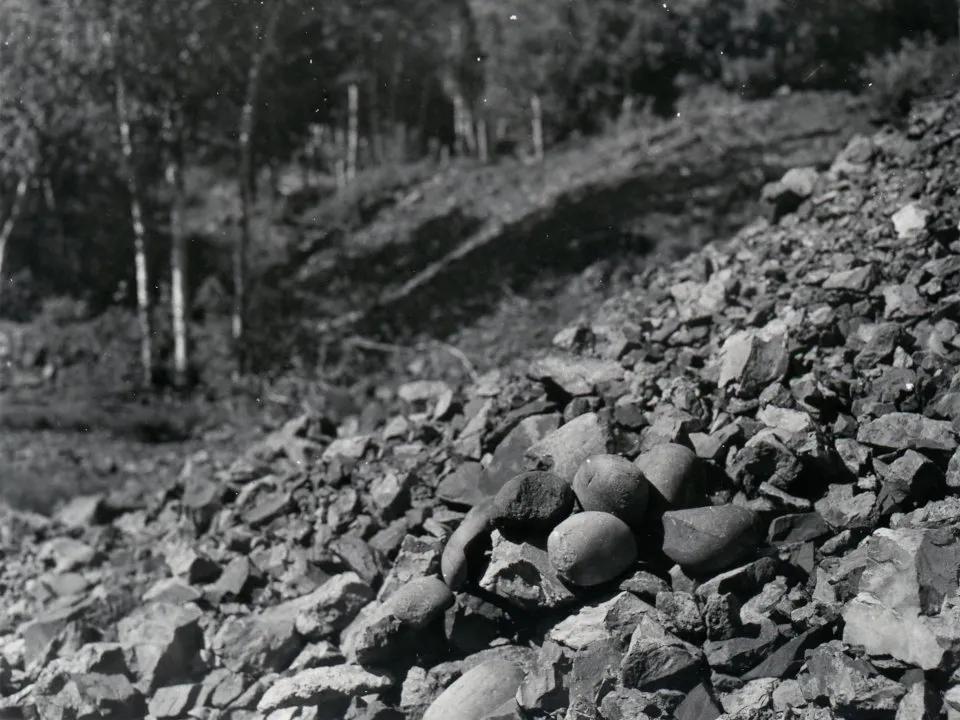
Archaeological evidence reveals that Native Americans, primarily the Ojibwa people (also known as Chippewa), called the main island "Minong", meaning "a good place to get copper." This name perfectly captured the island's primary appeal to ancient civilizations. The indigenous miners developed sophisticated techniques for extracting pure copper from the island's rich deposits, using simple but effective tools like stone hammers and fire-setting methods to crack open the hard volcanic rock.
Did You Know? Archaeologists have discovered over 1,000 ancient mining pits across Isle Royale, some reaching depths of 65 feet. Carbon-14 testing of wooden artifacts found in these pits indicates continuous mining activity for over 1,500 years.

The copper extracted from Isle Royale National Park traveled far beyond the Great Lakes region. Trade networks distributed Isle Royale copper as far south as Georgia and as far west as the Rocky Mountains. Copper artifacts from the island have been found in Native American burial sites across the eastern United States, demonstrating the metal's high value and the extensive trade relationships that ancient peoples maintained.
The mining operations were seasonal endeavors, with Native American families and groups traveling to the island during the warmer months when Lake Superior was navigable. They would establish temporary camps near mining sites, combining copper extraction with fishing, hunting, and gathering activities. This sustainable approach to resource extraction allowed the island's ecosystem to remain largely undisturbed between mining seasons.
European Contact and Early Exploration
The European chapter in the history of Isle Royale National Park began in the 17th century when French explorers and Jesuit missionaries first learned about the island's copper riches from Native American guides. In 1669-70, Jesuit missionary Father Claude Dablon published the first written European account of the island, describing it as "an island called Menong, celebrated for its copper."
French voyageurs and fur traders incorporated Isle Royale into their extensive network of trading posts and routes throughout the Great Lakes region. However, unlike the systematic mining operations of their Native American predecessors, early European interest remained largely focused on the lucrative fur trade. The island's isolation and the challenges of copper extraction with 18th-century technology made large-scale European mining impractical during this period.
The island changed hands multiple times during the colonial period. Initially claimed by France as part of New France, it passed to British control following the French and Indian War in 1763. The 1783 Treaty of Paris, which ended the American Revolution, officially transferred Isle Royale to the United States, though the British continued to maintain a presence in the region until after the War of 1812.
Recommended Resource:
For detailed maps and trail information about Isle Royale's historical sites, I highly recommend the official National Geographic map:
Isle Royale National Park Map - $13.90 →A crucial moment in the political history of the island occurred with the 1842 Treaty of La Pointe, when the Ojibwa people officially ceded Isle Royale to the United States government. Interestingly, the Native American negotiators were initially unaware that the 1842 Webster-Ashburton Treaty had already established that Isle Royale lay within American territorial waters rather than British territory. The Ojibwa leaders reaffirmed their cession in the 1844 Isle Royale Agreement once the territorial boundaries were clarified.
The 19th Century Mining Boom and Settlement

The mid-1840s marked a dramatic transformation in the history of Isle Royale National Park when Michigan's first state geologist, Douglass Houghton, published reports that triggered a massive copper boom throughout the Upper Peninsula. His geological surveys sparked intense interest in Isle Royale's mineral potential, leading to the establishment of the first modern copper mines on the island.
European-American miners were amazed to discover extensive evidence of previous mining activity. Ancient pits, stone tools, and partially extracted copper masses told the story of the indigenous mining operations that had preceded them by millennia. These prehistoric workings actually guided the locations of many 19th-century mining claims, as the modern miners recognized that their predecessors had already identified the richest copper deposits.
The most significant mining operations included the Minong Mine and the Island Mine, which operated intermittently from 1873 to 1881. The Minong Mine, located on the island's remote northeast end, extracted substantial quantities of native copper but struggled with the logistical challenges of transporting equipment and ore across Lake Superior. The mine's remote location required everything from heavy machinery to food supplies to be shipped by boat during the brief navigation season.
Despite the geological wealth, most 19th-century mining ventures on Isle Royale ultimately failed due to the island's isolation and the relatively small size of the copper veins compared to mainland deposits. The cost of transporting heavy mining equipment to the island and shipping ore back to the mainland often exceeded the value of the copper extracted. Additionally, the short shipping season on Lake Superior severely limited the operational period each year.
The mining period had significant environmental consequences. Large sections of the island's original forest were cut down to fuel the mining operations and provide timber for construction. Wildfires, some deliberately set to clear land, burned vast areas of the island. The most devastating fire occurred in 1936, burning approximately 25% of Isle Royale's forest cover.
Essential Reading:
For the complete story of Isle Royale's trails and historical sites, this comprehensive guidebook is invaluable:
Isle Royale National Park: Foot Trails & Water Routes - $48.79 →Fishing Industry and Early Tourism Era
As mining operations proved economically unfeasible, the history of Isle Royale National Park shifted toward fishing and early tourism development. Commercial fishing had actually begun before formal mining operations, with the American Fur Company establishing fishing stations in the early 1800s to supply food for fur traders and Native American communities.
The fishing industry flourished throughout the late 19th and early 20th centuries. Lake Superior's cold, clean waters supported abundant populations of lake trout, whitefish, and herring. Scandinavian immigrants, particularly from Norway and Sweden, established fishing families that would become integral to the island's identity. These fishing families built permanent settlements, creating a unique island culture that persisted until the establishment of the national park.
The Edisen Fishery, which still operates today as a historical demonstration, represents the last remnant of this once-thriving industry. Visitors to Isle Royale National Park can still see the traditional fishing boats, nets, and processing facilities that defined island life for over a century.
Parallel to the fishing industry, Isle Royale began attracting wealthy tourists from Detroit, Chicago, and other Midwest cities. The island's pristine wilderness, excellent fishing opportunities, and cool summer temperatures made it an attractive retreat from industrial city life. Several luxury resorts were constructed, including the Rock Harbor Lodge and various private clubs.
The Washington Harbor Club, established by wealthy businessmen, exemplified this early tourism boom. The club owned extensive properties on the island and operated private transportation networks, including railroads that connected to Two Harbors and Duluth. This infrastructure development would later prove controversial when debates arose about preserving the island as wilderness.
Conservation Note: By the 1920s, conservationists recognized that Isle Royale's unique ecosystem and historical significance warranted federal protection. The island's isolation had preserved both its natural environment and its rich cultural heritage from prehistoric mining to modern fishing communities.
The Path to National Park Status
The modern conservation chapter in the history of Isle Royale National Park began in the 1920s when Detroit journalist Albert Stoll Jr. launched a passionate campaign to preserve the island as a national park. Stoll recognized that Isle Royale represented something increasingly rare in America: a large wilderness area that retained both its natural character and significant historical and cultural resources.
The campaign gained momentum throughout the late 1920s as conservationists, scientists, and outdoor enthusiasts rallied support for park designation. They argued that Isle Royale's unique combination of pristine wilderness, fascinating wildlife, rich mining history, and thriving fishing culture created an irreplaceable American treasure that deserved permanent protection.
On March 3, 1931, President Herbert Hoover signed legislation authorizing the creation of Isle Royale National Park. However, the authorization was just the first step in a complex process. The federal government needed to acquire private properties, resolve existing lease agreements, and develop management plans for the new park.
The formal establishment occurred on April 3, 1940, when President Franklin D. Roosevelt officially designated Isle Royale as America's newest national park. The park encompassed not only the main island but also more than 400 smaller islands and approximately 850 square miles of surrounding Lake Superior waters.
Perfect for Young Adventurers:
Introduce children to Isle Royale's fascinating history with this engaging adventure story:
The Wild Island: An Adventure at Isle Royale - $18.95 →Park establishment required significant compromises. Many fishing families who had lived on the island for generations were allowed to retain lifetime leases on their properties. About 12 families maintained these rights, creating a unique situation where traditional island life continued within national park boundaries. This arrangement preserved the living history of Isle Royale's fishing culture while gradually transitioning the island to full wilderness status.
The Civilian Conservation Corps (CCC) played a crucial role in early park development during the 1930s. CCC crews built trails, campgrounds, and visitor facilities while simultaneously fighting wildfires and beginning forest restoration efforts. Their work coincided with the devastating 1936 fire, which ironically aided long-term forest recovery by stimulating new growth and creating diverse habitat conditions.
In 1976, Isle Royale received additional protection when 99% of the park was designated as federal wilderness under the Wilderness Act. This designation ensured that Isle Royale National Park would remain free from motorized vehicles, commercial development, and other activities inconsistent with wilderness preservation.
The park achieved international recognition in 1980 when UNESCO designated Isle Royale as an International Biosphere Reserve. This status acknowledges the island's importance as a natural laboratory for studying ecosystem dynamics, particularly the famous wolf-moose relationship that has captivated scientists since the late 1940s.
Most recently, in 2019, the entire island chain was added to the National Register of Historic Places as the "Minong Traditional Cultural Property," recognizing the thousands of years of Native American history and the island's continuing cultural significance to indigenous communities.
My Personal Experience with Isle Royale's History
During my first visit to Isle Royale National Park in 2018, I was struck by how tangibly the island's rich history remains present in the landscape. Walking the Stoll Trail toward Scoville Point, I encountered the ancient copper mining pits that our ranger guide explained were over 4,000 years old. Standing beside these weathered excavations, I could almost imagine the Native American families who had worked these sites generation after generation.
The Minong Ridge Trail provided another powerful connection to the island's mining heritage. The trail follows the ridge that gave the island its Native American name, and hiking it offers perspectives on how indigenous peoples would have traveled across the island to reach various mining sites. The elevation changes and rocky terrain made me appreciate the skill and determination required to transport copper across this challenging landscape.
At Rock Harbor, I spent hours exploring the remnants of the historic fishing community. The preserved buildings and equipment at the Edisen Fishery brought the island's more recent history to life. A park ranger shared stories about the Scandinavian fishing families, including the Holtes and Sivertsen families, whose descendants still visit the island regularly. These personal connections to the island's past made the history feel immediate and relevant.
Visitor Review Summary:
Amazon Customer Review: "The National Geographic map was essential for understanding the historical sites. We used it to locate ancient mining pits and historical buildings. The waterproof material held up perfectly during a three-day rain." - ★★★★★
Reddit User Experience: "Visited the Minong Mine site - absolutely fascinating to see the old mining equipment still scattered around. The park does an excellent job preserving these historical artifacts in their original locations." - r/NationalPark
Quora Response: "Isle Royale's history comes alive when you visit during ranger programs. The evening talks about copper mining and fishing families really enhanced our understanding of the island's cultural significance." - Verified Visitor
One of my most memorable experiences occurred during a guided tour of Washington Harbor, where the remnants of the old resort infrastructure are still visible. Our guide explained how the transition from private recreation area to national park preserved not just the natural environment but also important cultural landscapes that tell the story of American leisure and conservation.
I also appreciated learning about the ongoing research at Isle Royale, particularly the wolf-moose study that began in 1958. This research represents the longest-running predator-prey study in the world, adding a modern scientific dimension to the island's long history as a place where humans have observed and interacted with nature.
Additional Recommended Resources:
Frequently Asked Questions
When was Isle Royale National Park established and why?
Isle Royale National Park was authorized by Congress on March 3, 1931, and officially established on April 3, 1940. The park was created to preserve one of America's last remaining wilderness archipelagos, protecting its unique ecosystem, rich Native American copper mining history, and distinctive island culture. The establishment also recognized Isle Royale's value as a natural laboratory for studying predator-prey relationships and island ecology in an isolated environment.
What is the significance of ancient copper mining at Isle Royale?
Ancient copper mining at Isle Royale represents one of North America's earliest and most extensive prehistoric industrial operations. Native Americans mined copper here for over 4,500 years, creating more than 1,000 mining pits and establishing trade networks that distributed Isle Royale copper across the continent. The mining operation demonstrates sophisticated indigenous technology and resource management, while carbon-14 dating of wooden artifacts provides crucial insights into prehistoric North American cultures and their technological capabilities.
How did Isle Royale transition from private ownership to national park?
The transition involved extensive negotiations between the federal government, private landowners, and existing lease holders throughout the 1930s. Many fishing families received lifetime leases allowing them to continue traditional island life, while resort owners and mining companies were gradually bought out. About 12 families retained lifetime rights to their properties, creating a unique arrangement that preserved living history while transitioning to wilderness management. The National Park Service worked carefully to honor existing commitments while implementing conservation goals.
What role did the Civilian Conservation Corps play in Isle Royale's development?
The Civilian Conservation Corps (CCC) was instrumental in developing Isle Royale's infrastructure during the 1930s and early 1940s. CCC crews built many of the trails, campgrounds, and visitor facilities that remain in use today. They also fought wildfires, including the massive 1936 blaze that burned 25% of the island, and began forest restoration efforts. The CCC's work established the physical foundation for public access while maintaining the island's wilderness character, creating a model for sustainable park development.
How does Isle Royale's history influence modern park management?
Isle Royale's layered history directly influences contemporary management decisions, from preserving archaeological sites to maintaining traditional structures like the Edisen Fishery. The park's 1976 wilderness designation protects 99% of its area from development while allowing historical interpretation. Modern management balances wilderness preservation with cultural resource protection, maintaining visitor access to historical sites while ensuring their long-term preservation. The island's history as a natural laboratory continues through ongoing scientific research, particularly the famous wolf-moose study that began in 1958.
What makes Isle Royale's cultural history unique among national parks?
Isle Royale's cultural history is unique because it encompasses continuous human use spanning over 4,500 years, from prehistoric copper mining through modern scientific research. Unlike many national parks that primarily preserve natural features, Isle Royale protects an entire cultural landscape including Native American archaeological sites, 19th-century mining ruins, traditional fishing communities, and early tourism infrastructure. The 2019 designation as the "Minong Traditional Cultural Property" on the National Register of Historic Places recognizes this exceptional cultural continuity and the ongoing significance of the island to both indigenous communities and the broader American heritage.
Planning Your Visit?
Explore more essential guides for Isle Royale National Park:
Conclusion
The history of Isle Royale National Park represents one of America's most compelling conservation success stories, demonstrating how thoughtful preservation can protect both natural wilderness and irreplaceable cultural heritage. From the ancient Native American copper miners who first recognized the island's extraordinary resources to the modern scientists who continue studying its unique ecosystem, Isle Royale has served as a bridge between human ingenuity and natural preservation.
Today's visitors to Isle Royale National Park walk in the footsteps of thousands of years of human history while experiencing one of America's most pristine wilderness areas. The island's transformation from resource extraction site to protected sanctuary illustrates the evolution of American attitudes toward wilderness and the growing recognition that some places are too valuable to exploit.
The park's designation as both a National Wilderness Area and an International Biosphere Reserve ensures that future generations will inherit not just the island's natural beauty, but also its rich cultural legacy. Whether exploring ancient mining pits, hiking historic trails, or simply enjoying the solitude that has attracted humans to this remote archipelago for millennia, visitors connect with a continuous thread of human experience that spans from prehistoric times to the present.
As we face contemporary challenges in balancing human needs with environmental protection, Isle Royale's history offers valuable lessons about sustainable resource use, cultural preservation, and the enduring value of wilderness. The island stands as proof that with vision, commitment, and careful planning, we can preserve America's most treasured places for generations to come.
Plan your own journey into this remarkable history by visiting Isle Royale National Park, where every trail tells a story and every vista connects you to thousands of years of human and natural heritage. The island awaits your discovery, just as it has welcomed countless generations before you.