

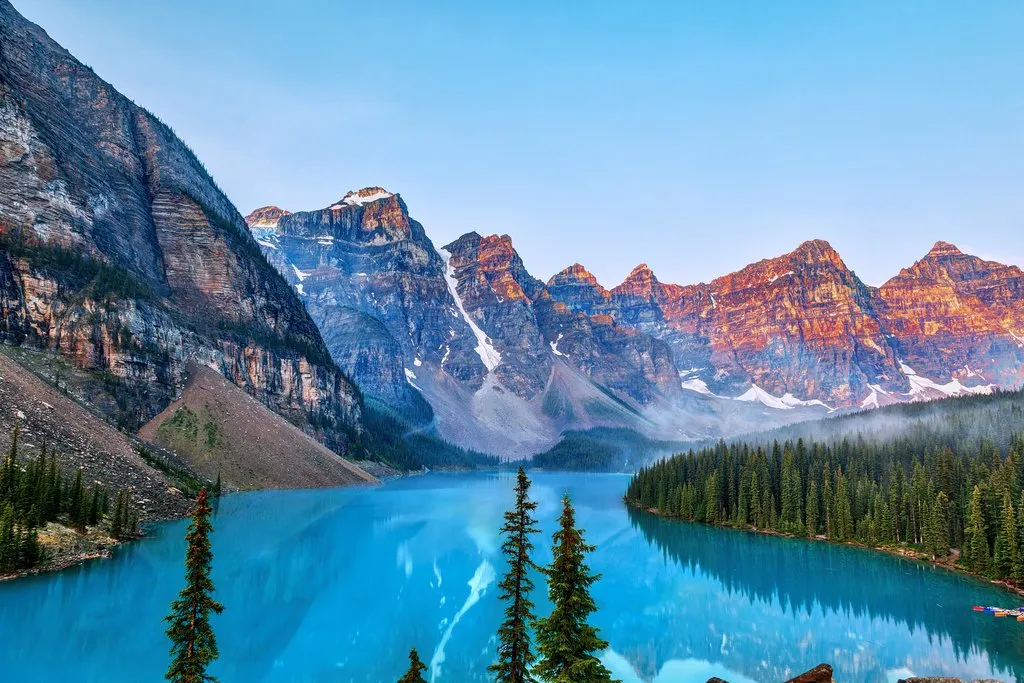
Discover the breathtaking world of hiking in Canadian Rockies with this comprehensive guide. From essential safety tips and gear recommendations to the best trails in Banff, Jasper, and Lake Louise, I'll share everything you need to know for an unforgettable mountain adventure. Whether you're a beginner or experienced hiker, this guide will help you plan the perfect hiking in Canadian Rockies experience. NatureGuests brings you expert advice from years of exploring these magnificent mountains.
Best Time for Hiking in Canadian Rockies
Planning the perfect timing for hiking in Canadian Rockies is crucial for a successful adventure. From my extensive experience exploring these mountains over the past decade, I can confidently say that the prime hiking season typically runs from mid-June through early October, with each period offering unique advantages and challenges.
The summer months of July and August provide the most reliable weather conditions for hiking in Canadian Rockies. During these peak months, most high-alpine trails become accessible as snow melts reveal stunning wildflower meadows and crystal-clear mountain lakes. I've personally witnessed the dramatic transformation that occurs as the landscape awakens from winter's grip, creating some of the most spectacular hiking conditions you'll find anywhere in North America.
September emerges as my personal favorite time for hiking in Canadian Rockies, particularly for experiencing the famous larch season. The golden display of alpine larches against the backdrop of snow-capped peaks creates an almost surreal hiking experience. The weather remains generally stable, with fewer crowds compared to peak summer months, allowing for a more intimate connection with the wilderness.

For those considering shoulder seasons, late May through early June offers excellent opportunities for lower elevation hikes, though high-alpine routes may still be snow-covered. Early October can provide stunning autumn colors, but weather becomes increasingly unpredictable. During my recent visit to the West Coast Trail in Canada, I learned that timing is everything when it comes to mountain hiking adventures.
Essential Gear and Equipment for Canadian Rockies Hiking
Proper gear selection can make the difference between an unforgettable adventure and a potentially dangerous situation when hiking in Canadian Rockies. After years of testing equipment in these demanding mountain conditions, I've compiled this essential gear list to ensure your safety and comfort on the trails.
Safety Equipment
Bear spray is absolutely non-negotiable for hiking in Canadian Rockies. I personally carry the Counter Assault Bear Deterrent, which has proven effective in my encounters with both black bears and grizzlies throughout the region.
🛡️ Recommended Bear Spray
Get Counter Assault Bear Spray on AmazonHiking Backpack
A quality 30-40L backpack is essential for day hikes in the Canadian Rockies. The Osprey Talon 33 has been my trusted companion on countless adventures, offering perfect balance of capacity and comfort.
🎒 Top Hiking Backpack
Shop Osprey Talon 33 on AmazonWeather Protection
Mountain weather in the Canadian Rockies changes rapidly, making waterproof gear essential. I learned this lesson the hard way during a sudden storm on the Skyline Trail, where proper rain gear likely saved my life. The layering system works best: moisture-wicking base layer, insulating mid-layer, and waterproof outer shell.
🧥 Waterproof Jacket
Patagonia Rain Jacket👢 Hiking Boots
Salomon Quest 4D BootsAdditional essential items include navigation tools (map, compass, GPS), first aid kit, headlamp, extra food and water, and emergency shelter. The ten essentials principle applies even more critically when hiking in Canadian Rockies due to the remote nature and rapidly changing conditions. Similar preparation principles apply to other challenging hikes, such as those found in Europe's hidden gem hiking trails.
Top Hiking Destinations and Trails
Watch: Our 10 Favorite Day Hikes in the Canadian Rockies
The Canadian Rockies encompass some of the world's most spectacular hiking destinations, each offering unique landscapes and experiences. Having explored over 200 trails throughout the region, I've identified the most rewarding destinations that showcase the best of hiking in Canadian Rockies. From the iconic turquoise lakes of Banff to the rugged wilderness of Jasper, each destination offers its own character and unforgettable memories.
The diversity of hiking in Canadian Rockies is truly remarkable. Whether you're seeking gentle lakeside walks, challenging alpine scrambles, or multi-day wilderness adventures, these mountains deliver experiences that rival anything found in the best hikes in the Alps or along the famous Camino de Santiago routes.
Banff National Park Hiking Adventures
Banff National Park represents the crown jewel of hiking in Canadian Rockies, offering over 1,600 kilometers of maintained trails that cater to every skill level. During my numerous visits to Banff, I've consistently been amazed by the park's ability to deliver world-class hiking experiences within relatively accessible distances from major trailheads.
The Lake Louise area stands out as particularly exceptional for hiking in Canadian Rockies, with iconic trails like the Plain of Six Glaciers and Lake Agnes Tea House offering perfect introductions to high-alpine hiking. The tea house hikes provide unique cultural experiences, combining spectacular mountain scenery with historic mountain hospitality that dates back over a century.

For more challenging adventures, the Iceline Trail and Valley of the Five Lakes showcase the raw power and beauty that make hiking in Canadian Rockies so addictive. These trails require proper preparation and respect for mountain conditions, but reward hikers with some of the most dramatic alpine scenery in North America. The sense of accomplishment after completing these hikes rivals any achievement in outdoor recreation, similar to the satisfaction found along challenging routes like our featured Canadian Rockies hiking guide.
Jasper National Park Wilderness Adventures

Jasper National Park offers some of the most remote and wilderness-focused experiences when hiking in Canadian Rockies. As Canada's largest national park in the Rockies, Jasper provides opportunities for solitude and wildlife encounters that are increasingly rare in our modern world. My most memorable wildlife photography has come from patient observations during Jasper hiking adventures.
The Skyline Trail stands as one of the premier multi-day hiking in Canadian Rockies experiences, offering 44 kilometers of high-alpine ridgeline walking with panoramic views that extend for hundreds of kilometers. This trail requires advanced planning and backpacking experience, but delivers an unparalleled sense of wilderness immersion.
For day hikers, the Sulphur Skyline and Cavell Meadows trails provide excellent introductions to Jasper's character. The post-hike relaxation at Miette Hot Springs after completing the Sulphur Skyline creates a perfect reward system that exemplifies the holistic experience of hiking in Canadian Rockies. The Valley of the Five Lakes offers stunning photography opportunities with its collection of differently colored alpine lakes, each reflecting the surrounding peaks in their own unique way.
Lake Louise Hiking Trails and Adventures
Lake Louise serves as the epicenter for some of the most iconic hiking in Canadian Rockies experiences. The village and surrounding area provide access to trails that have defined mountain hiking for generations of outdoor enthusiasts. From the famous Chateau Lake Louise, hikers can access multiple world-class trails within walking distance, making it an ideal base for extended hiking in Canadian Rockies adventures.
The Plain of Six Glaciers trail represents perhaps the most classic Lake Louise hiking experience, offering a perfect balance of accessibility and spectacular alpine scenery. This 14-kilometer round-trip journey takes hikers through multiple ecosystems, from lake-level forests to high-alpine meadows with close-up glacier views. The historic tea house at the trail's end provides a unique cultural dimension to the hiking experience.
The Lake Agnes Tea House hike offers a slightly shorter but equally rewarding experience, featuring the mirror-like Lake Agnes and its historic tea house perched dramatically against towering cliff walls. The Big Beehive extension adds a challenging scramble element for those seeking additional adventure. These trails exemplify why hiking in Canadian Rockies attracts visitors from around the globe, combining natural beauty with rich mountain culture and history.

Safety and Bear Awareness in the Canadian Rockies
Critical Safety Warning
Bear encounters are a real possibility when hiking in Canadian Rockies. Proper preparation and awareness can prevent dangerous situations and ensure both your safety and the wildlife's well-being.
During my years of hiking in Canadian Rockies, I've encountered both black bears and grizzly bears on multiple occasions. Each encounter has reinforced the critical importance of proper bear safety protocols. The Canadian Rockies support healthy populations of both bear species, making awareness and preparation absolutely essential for safe hiking experiences.
Making noise while hiking represents the most effective prevention strategy for avoiding surprise bear encounters. Bears typically avoid human contact when given adequate warning of your presence. I always hike with bear bells and engage in conversation with my hiking partners, especially when approaching blind corners or areas with limited visibility.
Essential Bear Safety Equipment
- Bear Spray: Always carry EPA-approved bear spray in an easily accessible location
- Bear Bells: Attach to your pack or clothing for continuous noise-making
- Food Storage: Use bear-proof containers or hang food properly when camping
- Group Hiking: Travel in groups of 4 or more when possible
Proper food storage becomes critical during overnight adventures. All scented items, including toiletries, toothpaste, and garbage, must be stored in bear-proof containers or hung at least 4 meters high and 3 meters from tree trunks. I've witnessed the devastating results of improper food storage, where bears learn to associate humans with easy food sources, creating dangerous situations for both wildlife and future hikers.
If you do encounter a bear while hiking in Canadian Rockies, remain calm and do not run. Back away slowly while facing the bear, make yourself appear large, and speak in a calm, firm voice. If the bear approaches, use your bear spray when the animal is within 6-8 meters. Understanding bear behavior and proper response protocols has been as important to my hiking success as physical fitness and navigation skills.
Planning Your Canadian Rockies Hiking Adventure
Successful hiking in Canadian Rockies adventures require thorough planning and preparation. From my experience organizing dozens of hiking trips throughout the region, I've learned that attention to detail during the planning phase directly correlates with the quality and safety of the actual hiking experience.
Transportation and accommodation booking should begin at least 3-6 months in advance, especially for summer travel. The most popular hiking areas around Lake Louise and Banff townsite fill up quickly, and last-minute bookings often result in significantly higher costs or limited availability. I recommend securing accommodations first, then building your hiking itinerary around your base locations.
Park passes and permits represent essential administrative requirements that vary depending on your specific hiking in Canadian Rockies plans. Day hiking requires only the standard park entry pass, while backcountry camping requires advance reservations and additional permits. Some popular trails like Lake O'Hara require lottery-based reservations that fill up within hours of opening.

Essential Planning Checklist
- Book accommodations 3-6 months ahead
- Purchase park passes and permits
- Check trail conditions and closures
- Reserve rental cars early
- Plan gear acquisition and testing
- Research weather patterns
- Identify emergency contacts
- Download offline maps
Physical preparation for hiking in Canadian Rockies should begin at least 8-12 weeks before your trip, depending on your current fitness level and planned hiking difficulty. The elevation gain and technical terrain found in these mountains demands cardiovascular fitness, leg strength, and mental preparation. I recommend gradually increasing your training hikes' distance and elevation gain while carrying a weighted pack similar to what you'll use in the Rockies.
Weather monitoring becomes crucial in the weeks leading up to your hiking in Canadian Rockies adventure. Mountain weather patterns can significantly impact trail accessibility and safety conditions. Having flexible itinerary options allows you to adapt to changing conditions while still achieving your hiking goals. This adaptability mindset applies to many challenging hiking destinations, including demanding trails found throughout mountain ranges worldwide.
Conclusion
The Canadian Rockies await your discovery – are you ready for the adventure of a lifetime?
Hiking in Canadian Rockies represents more than just recreational activity – it's a transformative experience that connects us with some of North America's most pristine wilderness. Through careful planning, proper preparation, and respectful exploration, these magnificent mountains offer rewards that extend far beyond the physical challenges of the trails themselves.
The memories created during hiking in Canadian Rockies adventures become treasured experiences that inspire future outdoor pursuits and environmental stewardship. From the turquoise waters of Lake Louise to the rugged wilderness of Jasper's backcountry, each trail offers unique perspectives on the natural world's incredible diversity and beauty.
Safety, preparation, and environmental responsibility form the foundation of successful hiking in Canadian Rockies experiences. By following the guidelines and recommendations shared in this comprehensive guide, you'll be well-equipped to explore these mountains safely while contributing to their preservation for future generations of hikers and outdoor enthusiasts.
Remember that every step taken in the Canadian Rockies is a privilege that comes with the responsibility to protect and preserve these incredible mountain ecosystems. Safe travels, and may your hiking in Canadian Rockies adventures create memories that last a lifetime.
Ready to start your Canadian Rockies adventure? Explore more hiking guides and outdoor adventures at:
Visit NatureGuests.com