

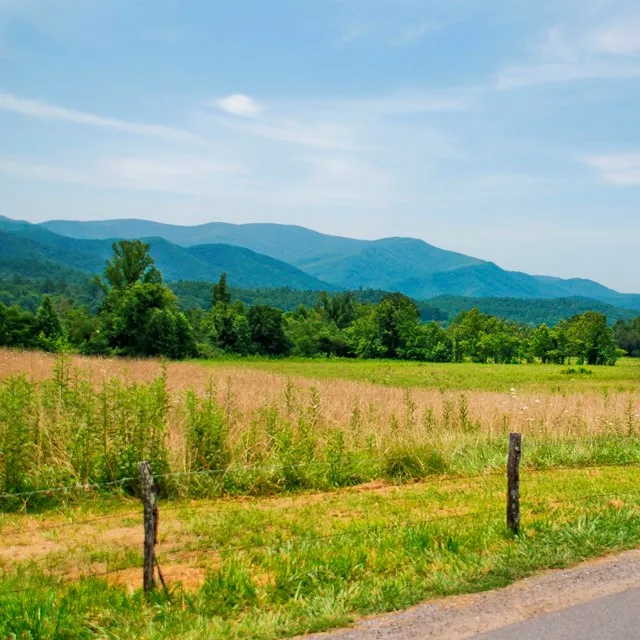
After visiting the Great Smoky Mountains National Park over 15 times in the past decade, I've discovered that the best things to do in Great Smoky Mountains go far beyond the typical tourist attractions. From hidden waterfalls to secret wildlife viewing spots, this comprehensive guide will help you experience the park like a seasoned explorer. Whether you're planning your first visit or returning for another adventure, you'll find insider tips and detailed recommendations that will make your trip unforgettable. For more outdoor adventure guides and wilderness tips, visit our complete resource at Wilderness Paths.
Epic Hiking Trails and Adventures

Having explored over 50 different trails in my years visiting the park, I can confidently say that the hiking opportunities are among the most diverse things to do in Great Smoky Mountains. From gentle strolls suitable for families to challenging backcountry adventures, there's something for every skill level and interest. The experience is remarkably similar to exploring Yosemite's diverse trail system, though the Smokies offer their own unique charm with ancient Appalachian character.
Insider's Pro Tip
Start your hikes early in the morning, especially during peak season. I've learned that arriving at popular trailheads like Alum Cave by 7 AM can mean the difference between a peaceful experience and fighting crowds for parking spots.
Must-Try Hiking Adventures
The Alum Cave Trail remains one of my top recommendations for visitors seeking memorable things to do in Great Smoky Mountains. This 4.4-mile round trip hike to Alum Cave Bluff offers incredible geological features and stunning mountain views. I've guided friends and family on this trail dozens of times, and the awe-inspiring cave formation never fails to impress first-time visitors.
For those seeking a more challenging adventure, the Charlie's Bunion trail presents an excellent alternative to the crowded Mount LeConte routes. This 8-mile round trip hike along the Appalachian Trail rewards hikers with spectacular rocky outcroppings and panoramic vistas. During my autumn visits, the fall foliage views from Charlie's Bunion have provided some of the most breathtaking photography opportunities in the entire park.
The Gatlinburg Trail offers one of the most accessible things to do in Great Smoky Mountains for families and those with mobility challenges. As one of only two dog-friendly trails in the park, this paved 1.9-mile path follows the West Prong Little Pigeon River and connects downtown Gatlinburg to the Sugarlands Visitor Center. I often recommend this trail as a perfect introduction to the park's natural beauty.
Trail Safety and Preparation
Based on my extensive hiking experience in the Smokies, proper preparation is essential. Always carry water, snacks, and weather-appropriate clothing. Cell service is limited throughout the park, so download offline maps or pick up trail maps at visitor centers before heading out.
Essential gear for your hiking adventures should include a reliable backpack that can handle the mountain terrain. I highly recommend the IGOLUMON 40L Hiking Backpack, which offers excellent value at just $20.63 with its waterproof design and comfortable fit - perfect for day hikes in the Smokies. For more demanding multi-day adventures, consider upgrading to the Maelstrom 40L Waterproof Hiking Backpack at $35.98, which includes a rain cover and multiple compartments for better organization.
Shop Essential Hiking GearBreathtaking Scenic Drives

Scenic driving represents some of the most accessible and rewarding things to do in Great Smoky Mountains, especially for visitors who want to experience the park's beauty without extensive hiking. Over my many visits, I've discovered that these drives offer incredible wildlife viewing opportunities and stunning photographic moments throughout every season. The scenic routes here rival even those found in Yosemite's iconic valley drives, though with distinctly Appalachian character.
Cades Cove: The Crown Jewel Drive
The 11-mile Cades Cove Loop Road stands as the most popular of all things to do in Great Smoky Mountains, and for excellent reasons. This one-way loop through a historic valley surrounded by mountains offers unparalleled wildlife viewing opportunities. During my early morning drives through Cades Cove, I've encountered black bears, white-tailed deer, wild turkeys, and even the occasional coyote.
The historic structures along the route tell the story of Appalachian settlers who called this valley home in the 1800s. I particularly enjoy stopping at the John Oliver Cabin, built in the 1850s, and the Primitive Baptist Church, which still holds services today. The preserved grist mill demonstrates traditional grain processing methods that sustained mountain communities for generations.
Timing Your Cades Cove Visit
Plan to arrive before 8 AM or after 4 PM to avoid heavy traffic. The loop can take 2-4 hours during peak times, but early morning visits often reward you with amazing wildlife sightings and peaceful mountain views.
Additional Scenic Routes
The Roaring Fork Motor Nature Trail provides one of the most intimate things to do in Great Smoky Mountains. This narrow, one-way road winds through dense forests and past historic cabins and waterfalls. The Noah "Bud" Ogle farmstead along this route offers a fascinating glimpse into mountain life, complete with a preserved cabin, barn, and working grist mill.
Newfound Gap Road (US 441) cuts directly through the heart of the park, connecting Gatlinburg, Tennessee, to Cherokee, North Carolina. This 33-mile scenic drive climbs to 5,046 feet at Newfound Gap, offering spectacular mountain vistas and access to numerous hiking trails. The Morton Overlook along this route provides one of the best sunrise viewing spots in the entire park.
For those seeking less crowded alternatives, the Foothills Parkway offers stunning panoramic views without the traffic congestion of more popular routes. This elevated roadway provides sweeping vistas of the Tennessee Valley and the main mountain ridge, making it one of my favorite photography locations during fall foliage season. The experience reminds me of the incredible vistas from Yosemite's high country campgrounds, though with the unique beauty of Appalachian peaks.
Spectacular Waterfall Adventures
Waterfall hiking ranks among my absolute favorite things to do in Great Smoky Mountains. The park contains hundreds of waterfalls, from easily accessible roadside cascades to hidden gems requiring challenging hikes. Each waterfall offers its own unique character and seasonal beauty, making them perfect destinations for photographers and nature lovers alike. The diversity of waterfalls here rivals even the spectacular cascades found throughout Yosemite's famous photo locations.Rainbow Falls: The Tallest Single-Drop Wonder
Rainbow Falls represents one of the most rewarding things to do in Great Smoky Mountains for experienced hikers. This 80-foot single-drop waterfall, the tallest in the park, creates stunning rainbows in its mist on sunny days. The 5.6-mile round-trip hike to Rainbow Falls challenges visitors with steady elevation gain, but the spectacular payoff makes every step worthwhile.
During my multiple visits to Rainbow Falls, I've learned that afternoon visits provide the best conditions for rainbow formation in the waterfall's mist. The trail crosses several streams and passes through beautiful old-growth forest sections, making the journey as memorable as the destination itself. For capturing these magical moments, I recommend investing in quality photography equipment like the Amazon Basics 50-inch Camera Tripod at just $16.99 - perfect for stable waterfall photography with long exposure times.
Grotto Falls: Walk Behind the Water
Grotto Falls offers a unique experience among all the things to do in Great Smoky Mountains – it's the only waterfall in the park where you can walk behind the falling water. The 2.6-mile round-trip hike along the Trillium Gap Trail takes you through a beautiful hardwood forest to this 25-foot cascade.
I particularly enjoy visiting Grotto Falls during summer months when the cool mist provides welcome relief from Tennessee heat. The trail is well-maintained and suitable for families, though the stream crossings can be slippery after rainfall. Photography enthusiasts will find endless opportunities for creative shots both behind and in front of the waterfall. For serious photographers, upgrading to the JOILCAN 74" Professional Camera Tripod at $30.99 provides better stability and height adjustment for various shooting angles.
Photography Tips
Early morning light creates the most dramatic waterfall photography. Bring a tripod for longer exposures that smooth the water flow, and consider polarizing filters to reduce glare on wet rocks.
Best Seasons
Spring offers maximum water flow from snowmelt and rain. Fall provides stunning foliage backdrops. Winter creates beautiful ice formations, though trails may be more challenging.
Abrams Falls and Laurel Falls
Abrams Falls may only drop 20 feet, but it creates one of the largest volumes of water in the park, forming a beautiful swimming hole below. The 5-mile round-trip hike from Cades Cove rewards visitors with this impressive cascade, though swimming is strongly discouraged due to dangerous currents.
Laurel Falls provides the most accessible waterfall experience among all things to do in Great Smoky Mountains. The 2.6-mile round-trip hike follows a paved trail, making it wheelchair accessible and perfect for families with young children. This 80-foot cascade offers beautiful photography opportunities year-round and serves as an excellent introduction to the park's waterfall wonders.
Shop Photography EquipmentWildlife Viewing Hotspots
Wildlife observation represents some of the most thrilling and unpredictable things to do in Great Smoky Mountains. The park hosts an incredible diversity of animals, from the famous black bears to the recently reintroduced elk. My wildlife encounters over the years have provided some of my most memorable park experiences, from watching bear cubs play to witnessing the majesty of bull elk during rutting season.
Black Bear Encounters
The Great Smoky Mountains support approximately 1,500 black bears, making wildlife viewing one of the most exciting things to do in Great Smoky Mountains. Cades Cove offers the best opportunities for bear sightings, especially during early morning and late afternoon hours. I've observed bears foraging in the meadows, climbing trees, and teaching cubs essential survival skills.
Cataloochee Valley provides another excellent location for bear viewing, particularly during fall when bears actively forage for winter preparation. The Roaring Fork area also offers frequent bear encounters, though the narrow road can create traffic jams when bears appear near the roadway. For optimal wildlife observation, quality binoculars are essential. I personally use and recommend the Occer 12x25 Compact Binoculars at $35.99, which offer excellent clarity and are lightweight enough for all-day hiking.
Bear Safety Guidelines
- Maintain at least 150 feet distance from bears
- Never feed bears or leave food accessible
- Make noise while hiking to avoid surprising bears
- If you encounter a bear, do not run – back away slowly
Elk Viewing Adventures
Elk reintroduction has created new and exciting things to do in Great Smoky Mountains. Cataloochee Valley serves as the primary elk viewing destination, where these magnificent animals graze in open meadows surrounded by historic buildings. Early morning and late afternoon visits typically provide the best elk viewing opportunities.
During rutting season in September and October, bull elk produce haunting bugle calls that echo across the valley. I've witnessed incredible displays of dominance as bulls compete for mates, creating unforgettable wildlife viewing experiences. The Cherokee area also offers elk viewing opportunities, particularly along the Oconaluftee River. For serious wildlife enthusiasts, I recommend upgrading to the Adorrgon 12x42 HD Binoculars at $41.43, which provide superior magnification and low-light performance for dawn and dusk wildlife viewing.
Additional Wildlife Opportunities
White-tailed deer represent the most commonly observed large mammals among the various things to do in Great Smoky Mountains. These graceful animals frequent meadows and forest edges throughout the park, with Cades Cove providing consistent viewing opportunities.
Bird watching enthusiasts will discover over 240 species throughout the park. Spring migration brings colorful warblers, while year-round residents include pileated woodpeckers, barred owls, and wild turkeys. The Sugarlands area and Elkmont offer excellent bird watching opportunities, particularly during early morning hours when bird activity peaks.
Seasonal Experiences and Activities
The Great Smoky Mountains transform dramatically throughout the year, offering distinct seasonal experiences that rank among the most compelling things to do in Great Smoky Mountains. Each season brings unique opportunities, from spring wildflower displays to winter's serene snow-covered landscapes. My experiences across all four seasons have taught me that there's never a bad time to visit this incredible park. While each season offers its own charm, the hiking experiences here compare beautifully to the diverse seasonal offerings found at other premier mountain destinations.
Spring: Wildflower Wonderland
Spring wildflower viewing represents some of the most spectacular things to do in Great Smoky Mountains. With over 1,500 flowering plant species, the park has earned the nickname "Wildflower National Park." Porters Creek Trail and Middle Prong Trail offer exceptional wildflower displays, featuring trilliums, bloodroot, and numerous other native species.
The Great Smoky Mountains Wildflower Pilgrimage, held annually in late April, provides guided walks with botanical experts. I've attended this event multiple times and highly recommend it for anyone interested in learning about the park's incredible plant diversity. Spring also brings comfortable temperatures for hiking and reduced crowds compared to summer months. Proper footwear is essential for wet spring trails - I recommend the Columbia Newton Ridge Plus II Waterproof Hiking Boots at $100, which provide excellent traction and waterproofing for muddy spring conditions.
Fall: Autumn Foliage Spectacle
Fall foliage viewing stands as perhaps the most popular of all seasonal things to do in Great Smoky Mountains. The park's elevation diversity creates an extended foliage season, typically beginning in late September at higher elevations and continuing through early November in the valleys.
Kuwohi (formerly Clingmans Dome) offers the earliest foliage viewing opportunities, while Cades Cove provides spectacular late-season colors. I've found that mid-October typically offers the most dramatic displays across the park's mid-elevations, including popular areas like the Alum Cave Trail and Newfound Gap Road.
Fall also brings increased wildlife activity as animals prepare for winter. Bear sightings become more frequent as they forage for nuts and berries, and elk rutting season creates incredible wildlife viewing opportunities in Cataloochee Valley. For hiking on potentially slippery fall leaves, consider the more affordable NORTIV 8 Waterproof Hiking Boots at $56.99, which offer excellent grip and protection at a budget-friendly price.
Spring Activities
Wildflower viewing, comfortable hiking, reduced crowds, wildlife awakening
Summer Adventures
Waterfall hikes, extended daylight, camping, fishing opportunities
Fall Foliage
Peak colors, wildlife activity, perfect hiking weather
Winter Solitude
Peaceful hiking, ice formations, fewer crowds, crisp air
Summer and Winter Experiences
Summer brings extended daylight hours perfect for ambitious hiking adventures among the many things to do in Great Smoky Mountains. Waterfall hikes become particularly refreshing during hot weather, with destinations like Grotto Falls and Abrams Falls providing cool relief. The synchronous firefly display at Elkmont in early June creates a magical experience that requires advance reservations.
Winter transforms the park into a serene wonderland, offering unique things to do in Great Smoky Mountains for those willing to brave cooler temperatures. While some high-elevation roads close seasonally, accessible areas like Cades Cove and lower-elevation trails provide beautiful winter hiking opportunities. Ice formations at waterfalls create stunning natural sculptures, and the reduced crowds allow for peaceful communion with nature.
Conclusion
After countless visits and adventures throughout Great Smoky Mountains National Park, I can confidently say that the incredible variety of things to do in Great Smoky Mountains ensures that every visitor can find their perfect mountain experience. Whether you're drawn to challenging hiking trails, scenic drives, wildlife viewing, or seasonal spectacles, this remarkable park delivers unforgettable memories and opportunities for connection with nature.
The key to maximizing your experience lies in planning ahead, starting early, and remaining flexible to embrace unexpected discoveries. From the thundering cascades of Rainbow Falls to the peaceful meadows of Cades Cove, from the challenging peaks of Mount LeConte to the accessible beauty of Laurel Falls, the Great Smoky Mountains offer something special for every type of adventurer.
Remember that the most rewarding things to do in Great Smoky Mountains often require patience, preparation, and respect for the natural environment. Follow Leave No Trace principles, maintain safe distances from wildlife, and help preserve this incredible resource for future generations. The memories you create in America's most visited national park will inspire return visits and a deeper appreciation for the natural world.
Ready to Plan Your Great Smoky Mountains Adventure?
Start planning your perfect trip today with insider tips and local recommendations that will help you experience the very best things to do in Great Smoky Mountains.
Start Planning Your Trip