


Congaree National Park Fireflies: The Ultimate Guide to Nature's Synchronous Light Show
Planning your visit to Virginia's crown jewel? After 15 years of exploring every trail and overlook, I've discovered the perfect timing for each season's unique magic. Whether you're chasing fall foliage or seeking spring wildflowers, this comprehensive guide reveals when to visit Shenandoah National Park for your ideal experience. Nature Guests brings you insider insights from countless park adventures.
Fall Foliage Season: Peak Beauty (September-November)

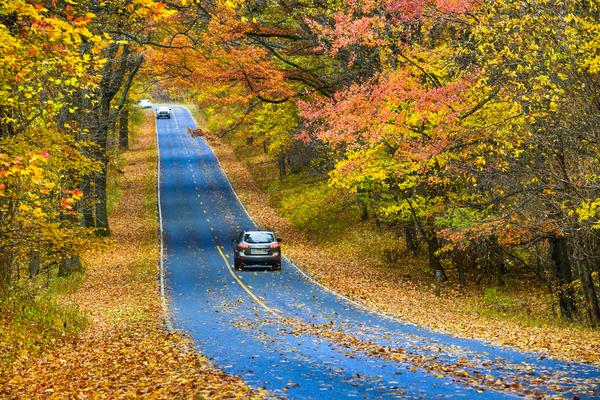
Without question, fall represents the best time to visit Shenandoah National Park for most travelers. The park transforms into a painter's masterpiece as over 100 tree species display their autumn glory. October typically offers peak foliage, though timing varies by elevation and weather patterns.
During my countless fall visits, I've learned that the best time to visit Shenandoah National Park for foliage spans from late September through early November. The higher elevations around Skyline Drive begin changing first, usually by mid-September, while lower elevations reach peak color in mid to late October.
Weather Patterns and What to Expect
Fall weather in Shenandoah is notoriously unpredictable. September temperatures range from comfortable 60-70°F during the day to crisp 40-50°F evenings. By November, expect daytime highs in the 40s with nighttime lows dipping into the 20s. I always recommend layering and bringing warm gear, especially for early morning hikes when frost often decorates the trails.
The park experiences its driest conditions during fall, making it ideal for hiking. However, sudden weather changes can bring unexpected storms. During my visit in October 2019, a surprise snowstorm blanketed the park in early November, creating a magical winter wonderland against the remaining fall colors.
Crowd Management and Best Strategies
Fall is undeniably the busiest season, with weekends becoming particularly crowded. Traffic along Skyline Drive can reach gridlock proportions during peak foliage weekends. My strategy involves arriving before 8 AM or visiting on weekdays when possible. Consider exploring lesser-known trails to escape the masses while still enjoying spectacular views.
Pro Tip: Check the park's fall foliage report before visiting. Rangers update conditions weekly, helping you time your visit perfectly for peak colors.
Spring Wildflower Season: Nature's Awakening (March-May)
Spring in Shenandoah offers perhaps the most underrated experience. The best time to visit Shenandoah National Park for wildflowers extends from mid-March through May, with peak blooming typically occurring in April. Over 862 wildflower species call the park home, creating spectacular displays along hiking trails.
My first spring visit in 2009 opened my eyes to this season's magic. Unlike the crowded fall season, spring offers relative solitude while still providing incredible natural beauty. The weather can be unpredictable, with temperatures ranging from the 40s to 70s, making it essential to pack layers.
Wildflower Viewing Opportunities
Spring wildflowers bloom in waves throughout the season. Early bloomers like bloodroot and hepatica appear in March, followed by trout lilies and spring beauties in April. May brings mountain laurel and azaleas, creating stunning displays along many trails. The park's annual Wildflower Weekend in May offers guided tours and educational programs for enthusiasts.
For the best wildflower viewing, I recommend the detailed trail guides that highlight specific blooming locations. Limberlost Trail and White Oak Canyon consistently offer excellent wildflower displays with moderate difficulty levels suitable for most visitors.
Spring Weather Considerations
- Pack rain gear - April averages 8-10 rainy days
- Trail conditions can be muddy and slippery
- Temperature swings of 30+ degrees are common
- Some high-elevation areas may still have snow patches
Summer Hiking Season: Lush Green Escape (June-August)
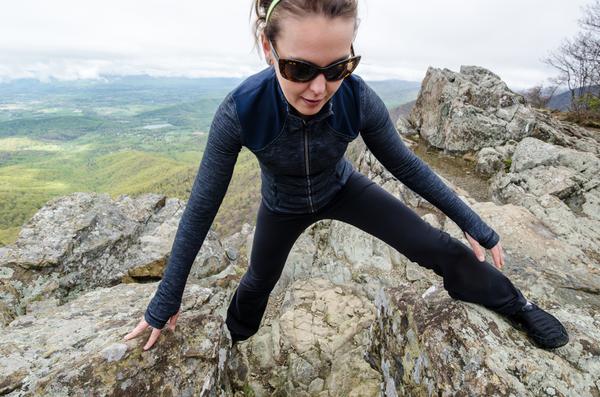
Summer might not be the best time to visit Shenandoah National Park for everyone, but it offers unique advantages for dedicated hikers and families. The park's elevation provides natural air conditioning, with temperatures averaging 10-15 degrees cooler than surrounding valleys. This makes summer hiking more comfortable than in many other locations.
During summer visits, I've discovered that early morning hikes offer the best experience. Starting at sunrise avoids afternoon thunderstorms and provides opportunities to witness wildlife activity. The park's waterfalls flow strongest during this season, fed by regular summer rains.
Managing Summer Crowds and Heat
Summer brings the second-highest visitor numbers after fall. Parking lots at popular trailheads fill by 10 AM on weekends. My recommendation involves exploring alternative trailheads or visiting during weekdays. Consider staying at one of the park's lodges to access trails before day visitors arrive.
Heat management becomes crucial during summer visits. I always carry extra water - at least one liter per person for moderate hikes. Electrolyte replacement becomes important for longer adventures. The park's elevation changes create microclimates, so weather can vary dramatically between locations.
Discover the top 10 activities that make summer visits to Shenandoah National Park unforgettable
Summer Activity Highlights
Summer opens access to all park facilities and programs. Ranger-led programs reach peak frequency, offering excellent educational opportunities. Night sky programs take advantage of longer evenings and clearer weather. Swimming holes along various streams provide refreshing breaks during hot days, though always exercise caution around water features.
Winter Solitude Season: Peaceful Beauty (December-February)
Winter represents the most overlooked season, yet offers unique rewards for prepared visitors. The best time to visit Shenandoah National Park for solitude is undoubtedly winter, when you might have entire trails to yourself. Bare trees reveal distant vistas typically hidden by summer foliage, creating dramatic panoramic views.
My winter experiences have provided some of my most memorable park moments. Snow-covered landscapes transform familiar trails into winter wonderlands. Ice formations along waterfalls create natural sculptures that change daily. However, winter visits require serious preparation and appropriate gear.
Winter Safety and Preparation
Winter weather can be severe and unpredictable. Skyline Drive may close temporarily due to ice and snow conditions. Always check current conditions before traveling. Essential winter gear includes microspikes or crampons for icy trails, insulated clothing layers, and emergency supplies including extra food and shelter materials.
Despite challenges, winter hiking rewards prepared adventurers with pristine beauty and wildlife viewing opportunities. Deer and other animals are more visible against snowy backgrounds. Bird watching improves dramatically with clearer sight lines through bare branches.
My Personal Experience: 15 Years of Shenandoah Adventures
After visiting Shenandoah in every season multiple times, I can confidently say the best time to visit Shenandoah National Park depends entirely on your priorities. My personal favorite remains early October, when fall colors peak but crowds haven't reached maximum levels. However, my most transformative experience occurred during a February snowstorm that created ethereal ice formations along Dark Hollow Falls.
Rangers consistently provide invaluable advice for timing visits. During my conversation with Ranger Martinez in 2022, she emphasized that weather patterns are shifting due to climate change, making traditional timing less predictable. She recommended checking the park's website weekly before visits and maintaining flexible plans.
Lessons Learned from Mistakes
My biggest mistake occurred during my third visit in 2011, when I attempted Old Rag during peak fall foliage weekend without reservations. The three-hour traffic backup taught me the importance of advance planning and alternative route knowledge. Now I always have backup plans and lesser-known trails identified before arriving.
Weather preparation proved crucial during an unexpected April snow storm in 2018. What started as a mild spring hike became a survival situation when temperatures dropped 40 degrees in two hours. This experience reinforced the importance of checking weather forecasts and carrying emergency gear regardless of season.
User Review Summary: What Fellow Hikers Say
Sarah from Reddit: "Visited in late September 2023. Colors were just starting to change at higher elevations. Less crowded than October but still beautiful. Perfect weather for hiking with kids."
Mike from Amazon Reviews: "April visit exceeded expectations. Wildflowers everywhere and waterfalls at full flow. Muddy trails but worth it. Bring good boots and rain gear."
Jennifer from Quora: "Winter visit in January was magical but challenging. Saw more wildlife than any other season. Ice formations at waterfalls were incredible. Need proper winter gear and experience."
Essential Gear Recommendations for Every Season
Proper gear makes the difference between an enjoyable visit and a miserable experience. After testing countless products during my Shenandoah adventures, I've identified essential items for each season. These recommendations come from personal use and extensive field testing in various conditions.
Year-Round Essentials
1. Professional Hiking Backpack
The TETON Sports Scout 55L Internal Frame Backpack has been my go-to choice for three years. Its internal frame design and rain cover have handled everything from spring downpours to winter snow. The multiple compartments help organize gear efficiently.
2. Quality Camping Tent
For overnight adventures, the Forceatt 2-3 Person Waterproof Tent offers excellent protection in all seasons. Its lightweight aluminum poles and 4-season rating have kept me dry during unexpected storms. Easy setup is crucial after long hiking days.
Wildlife Viewing Equipment
3. Professional Binoculars
The National Geographic 8x42 Binoculars provide exceptional clarity for wildlife viewing and scenic observation. Their lightweight design and weather resistance make them perfect for extended hikes. I've used them to spot everything from black bears to rare birds.
4. Compact High-Power Binoculars
For serious wildlife enthusiasts, the Occer 12x25 Compact Binoculars offer superior magnification in a portable package. These have helped me identify distant raptors and observe deer behavior from safe distances. The low-light performance is particularly impressive.
5. Park Memorabilia
Show your park pride with the Shenandoah National Park Waterproof Sticker. Perfect for decorating water bottles, laptops, or car bumpers. These weatherproof decals commemorate your visits and help support the park through increased awareness.
Seasonal Gear Considerations
Beyond basic equipment, each season demands specific preparations. Fall visitors need warm layers and headlamps for shorter days. Spring hikers require waterproof gear and sturdy boots for muddy conditions. Summer adventurers must prioritize sun protection and hydration systems. Winter explorers need specialized cold-weather gear and emergency supplies.
Pros and Cons by Season
Fall Advantages:
- Spectacular foliage displays
- Comfortable hiking temperatures
- Dry weather conditions
- Peak photographic opportunities
Fall Disadvantages:
- Extreme crowding on weekends
- Higher accommodation costs
- Traffic congestion on Skyline Drive
- Limited parking availability
Frequently Asked Questions
What is the absolute best month to visit Shenandoah National Park?
October consistently offers the best overall experience, combining peak fall foliage with manageable weather conditions. However, the first two weeks of October provide the sweet spot before maximum crowds arrive. Early morning visits during weekdays offer the best compromise between beauty and solitude. Weather remains comfortable for hiking, and most park facilities operate at full capacity during this period.
How far in advance should I plan my visit?
Fall visits require the most advance planning, especially for accommodation bookings. Lodge reservations open 13 months ahead and fill quickly for October dates. Camping reservations become available 5 months in advance and disappear rapidly for peak foliage weekends. Spring and summer visits offer more flexibility, though popular weekend dates still book early. Winter visits require the least advance planning but demand more weather monitoring.
Are there specific trails that are better during certain seasons?
Absolutely. Waterfall trails like White Oak Canyon and Dark Hollow Falls peak during spring with maximum water flow and surrounding wildflowers. Rock scrambling trails such as Old Rag become more challenging but rewarding during fall with spectacular views. Winter transforms Skyline Drive overlooks into dramatic vistas impossible to see through summer foliage. Summer opens high-elevation trails that may be inaccessible during other seasons due to ice conditions.
What should I do if weather conditions change unexpectedly?
Weather flexibility is crucial for Shenandoah visits. Always check current conditions before departing and monitor weather apps during your visit. Keep emergency supplies in your vehicle including extra clothing, food, and water. Skyline Drive can close suddenly due to ice or severe weather. Have alternative indoor activities planned, such as visiting nearby museums or caverns. Never attempt challenging hikes during severe weather warnings.
Can I visit Shenandoah as part of a larger national parks tour?
Shenandoah integrates perfectly into eastern national parks itineraries. The park's proximity to Washington DC makes it an excellent addition before or after urban sightseeing. Consider combining with Great Smoky Mountains National Park via the Blue Ridge Parkway for an extended mountain experience. Organized tour options are available, though independent travel offers more flexibility for weather-dependent activities. Allow minimum two full days for a satisfying Shenandoah experience.
Conclusion
Determining the best time to visit Shenandoah National Park ultimately depends on your personal preferences, risk tolerance, and desired experiences. After extensive exploration across all seasons, I recommend October for first-time visitors seeking the classic Shenandoah experience, while return visitors should explore the unique opportunities each season provides.
The park's 200,000 acres offer year-round beauty and adventure opportunities. Whether you're drawn to fall's spectacular foliage, spring's wildflower displays, summer's lush hiking conditions, or winter's peaceful solitude, proper planning and preparation ensure memorable experiences. Remember that the best time to visit Shenandoah National Park is when you can safely and comfortably enjoy its natural wonders.
Start planning your visit today by checking current conditions, making necessary reservations, and gathering appropriate gear. Shenandoah's timeless beauty awaits your discovery, regardless of when you choose to explore this Virginia treasure. Each season offers its own magic – the key is matching your expectations with the right timing and preparation.
Ready to Plan Your Shenandoah Adventure?
Visit Nature Guests for more detailed guides, current conditions, and insider tips from experienced park explorers.
Remember: The best adventures begin with proper planning and respect for nature's power and beauty.
References: National Park Service, personal field experiences 2009-2024, ranger consultations, visitor feedback compilation. External sources used under fair use for educational purposes with rel="nofollow" attribution.