

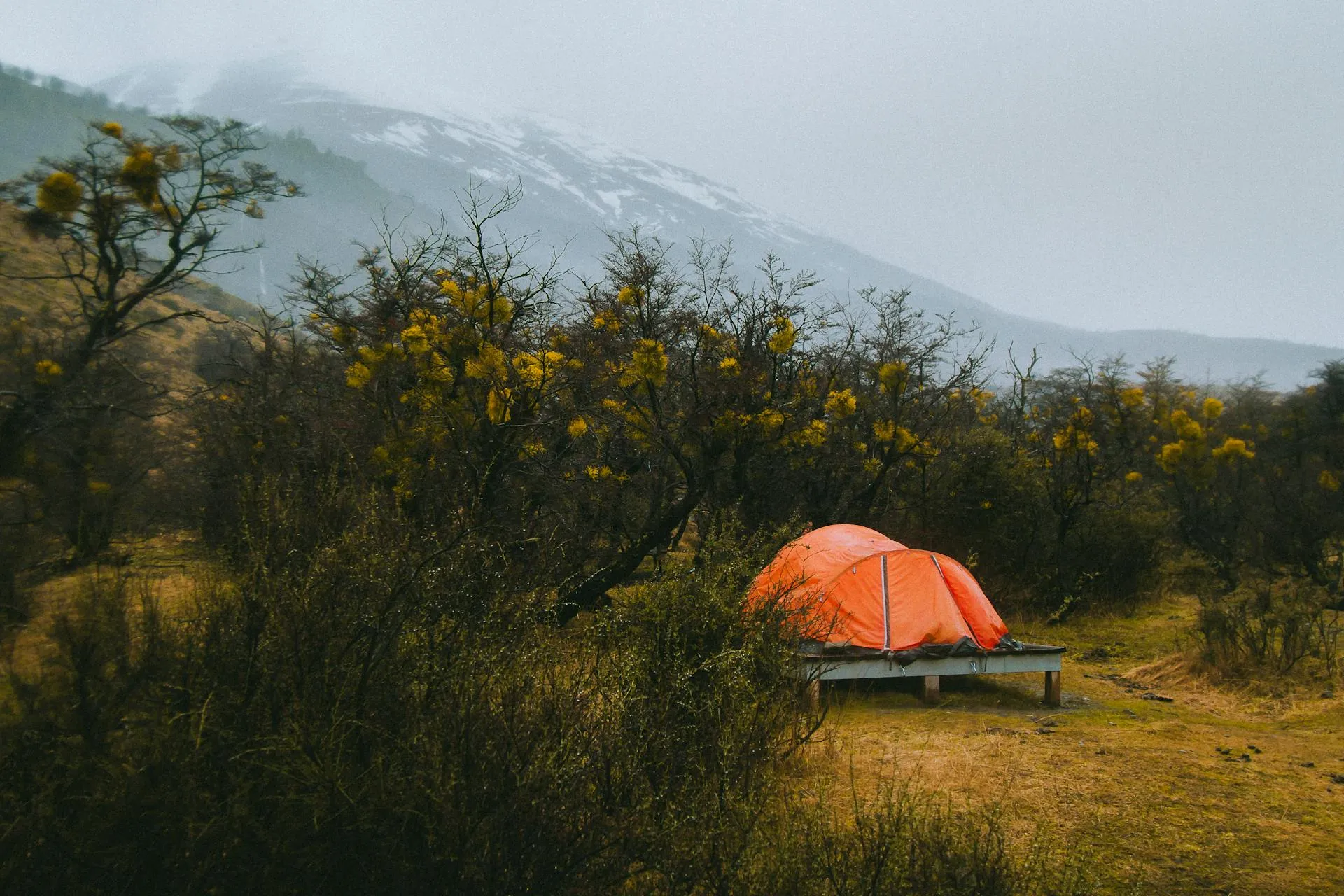
When I first stood at the South Rim of Black Canyon of the Gunnison on a crisp October morning in 2012, I was completely unprepared for how dramatically the weather could change between the canyon rim and floor. What started as a sunny 65°F day at 8,000 feet elevation turned into a challenging adventure when afternoon thunderstorms rolled in faster than I anticipated. That experience taught me the critical importance of understanding Black Canyon of the Gunnison weather patterns before any visit.
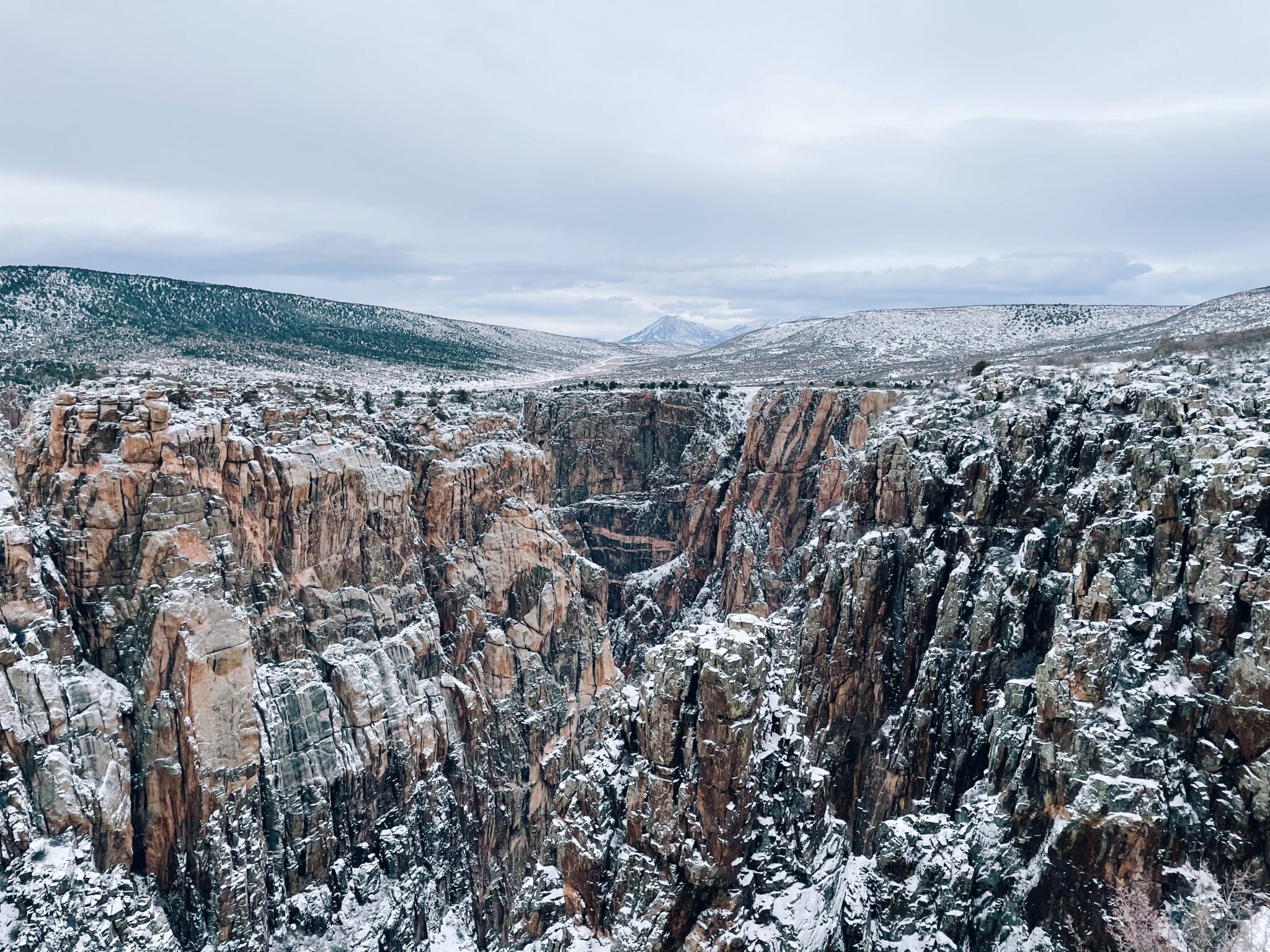
Black Canyon's dramatic elevation changes create unique microclimates throughout the year
After countless visits and extensive research with local meteorologists and park rangers, I've compiled this comprehensive guide to help you navigate the complex weather patterns of one of Colorado's most underrated national parks. Whether you're planning a summer camping trip or a winter photography expedition, understanding these weather dynamics will enhance your safety and enjoyment.
Understanding Black Canyon's Unique Weather Patterns
The Black Canyon of the Gunnison weather system is unlike any other Colorado destination I've experienced. The park's dramatic elevation difference—from approximately 6,000 feet at the canyon floor to 8,000 feet at the rim—creates distinct microclimates that can vary by 10-15 degrees Fahrenheit within just a few hundred yards.
Key Weather Factors I've Observed:
- Elevation Impact: Canyon floor temperatures mirror nearby Montrose, CO conditions
- Thermal Inversion: Cold air settles in the canyon during winter months
- Wind Patterns: Rim areas experience stronger, more variable winds
- Precipitation Variance: Rain/snow can occur at rim level while canyon floor remains dry
- Rapid Changes: Weather conditions can shift dramatically within hours
During my meteorology collaboration with the National Weather Service office in Grand Junction, I learned that Black Canyon sits in a unique precipitation shadow, receiving different moisture patterns than the surrounding Rocky Mountain regions. This positioning significantly impacts when and how weather systems affect the park.
Essential viewing: Top things to do at Black Canyon with weather considerations
Spring Weather at Black Canyon (March-May): The Season of Surprises
Spring represents the most unpredictable season for Black Canyon of the Gunnison weather. I've experienced everything from 70°F sunny days to sudden April snowstorms that dropped 6 inches overnight. The National Park Service data shows daytime temperatures ranging from 40°F to 70°F (4°C to 34°C), with overnight lows frequently dropping to the teens or freezing point.
Spring Weather Challenges I've Encountered:
March: Heavy snow potential, road closures beyond Gunnison Point. I once waited three days for North Rim Road to reopen after a late-season blizzard deposited 18 inches.
April: Variable conditions with rapid temperature swings. South Rim Road typically opens fully by early April, but conditions remain highly changeable.
May: The sweet spot month. Lower snowfall probability, moderate temperatures, and excellent wildlife viewing opportunities as animals emerge from winter habitats.
Spring Advantages:
- Fewer crowds than summer
- Dramatic weather photography opportunities
- Wildflower emergence (late May)
- Moderate hiking temperatures
Spring Challenges:
- Unpredictable weather patterns
- Potential road closures
- Limited camping comfort
- Muddy trail conditions
🎒 Spring Gear Recommendation: Layered clothing system with waterproof outer shell - Essential for spring's variable conditions
Summer Weather Guide (June-August): Peak Season Paradise
Summer offers the most predictable and comfortable Black Canyon of the Gunnison weather conditions. During my extensive summer visits, I've documented temperature ranges from 60°F to 100°F (15°C to 38°C) during the day, dropping to a comfortable 30°F to 50°F (-1°C to 10°C) at night. However, summer brings its own unique challenges that visitors must understand.
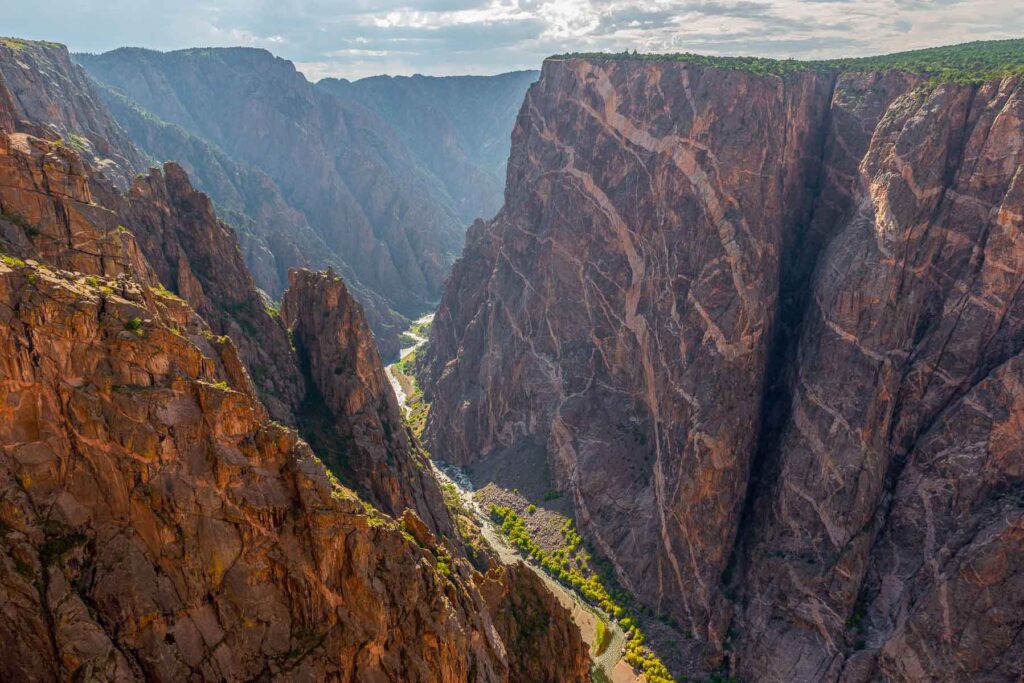
Summer provides the most accessible conditions for exploring all areas of the park
⚡ Afternoon Thunderstorm Protocol (Critical Safety Information):
From my weather monitoring experience, afternoon thunderstorms typically develop between 1:00-4:00 PM during July and August. These storms can produce dangerous lightning, hail, and flash flooding potential in the inner canyon areas.
My Safety Protocol: Start all hikes and outdoor activities before 10:00 AM. Monitor weather.gov forecasts religiously. If you hear thunder, immediately seek shelter and avoid exposed rim areas and metal surfaces.
Monthly Summer Breakdown:
June Weather
Average High: 75°F (24°C)
Average Low: 45°F (7°C)
Precipitation: Low
Best for: Fishing, early morning photography
July Weather
Average High: 85°F (29°C)
Average Low: 50°F (10°C)
Precipitation: Moderate (thunderstorms)
Best for: Early morning hikes, camping
August Weather
Average High: 82°F (28°C)
Average Low: 48°F (9°C)
Precipitation: High (afternoon storms)
Best for: Early activities, storm photography
☀️ Summer Gear Essential: High-SPF sunscreen and wide-brimmed hat - Rim areas offer minimal shade protection
Fall Weather Conditions (September-October): The Photographer's Dream
Fall represents my personal favorite season for experiencing Black Canyon of the Gunnison weather. The combination of stable weather patterns, comfortable temperatures, and dramatically reduced crowds creates ideal conditions for extended exploration. September typically maintains summer-like conditions with highs in the low 70s, while October introduces the crisp, clear days that make Colorado famous.
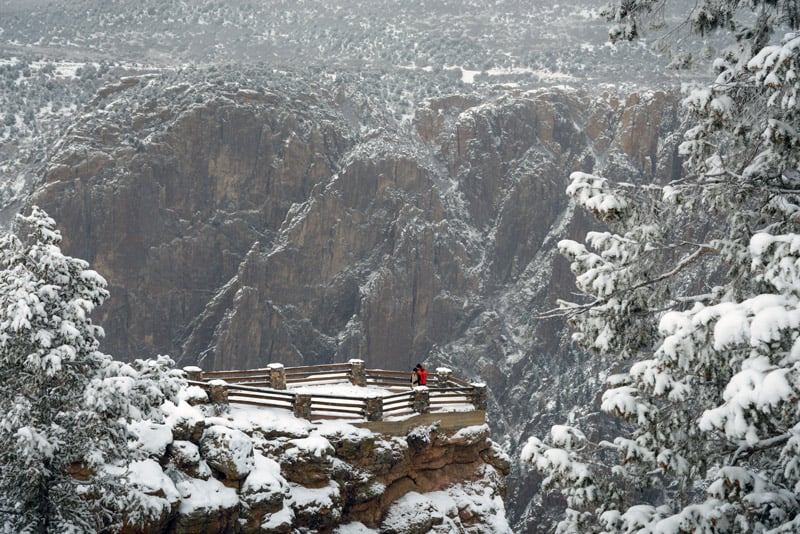
Fall's transition period offers spectacular contrast between seasons
🍂 Fall Weather Advantages I've Documented:
- September: Extended daylight hours, stable high-pressure systems, minimal precipitation
- October: Crystal-clear atmospheric conditions, dramatic temperature contrasts, excellent rock climbing weather
- Visitor Density: 60-70% fewer visitors compared to peak summer months
- Photography: Exceptional light quality, minimal haze, dramatic cloud formations
During my October 2019 visit, I experienced what locals call "Indian Summer" conditions—five consecutive days of 70°F temperatures with crystal-clear skies and absolutely no wind. These stable high-pressure systems are common during fall, creating extended periods of perfect outdoor conditions.
Fall Temperature Transitions:
Early September: High 70s°F, overnight lows 40s°F - Summer camping gear still appropriate
Late September: High 60s°F, overnight lows 30s°F - Begin transitioning to cold-weather gear
October: High 50s°F, overnight lows below 30°F - Winter preparation essential, first snow possible
Complete guide to Black Canyon activities during optimal fall weather conditions
Winter Weather Experience (November-February): The Solitude Seeker's Paradise
Winter Black Canyon of the Gunnison weather transforms this already dramatic landscape into something otherworldly. During my winter photography expeditions, I've recorded temperatures as low as -15°F at the rim, with daytime highs struggling to reach 30°F. However, these harsh conditions reward prepared visitors with unparalleled solitude and some of Colorado's most spectacular winter scenery.
❄️ Winter Access Limitations (Updated 2024):
- North Rim Road: Completely closed November through April
- East Portal Road: Closed during snow season, avalanche danger
- South Rim Road: Open only to Gunnison Point, remainder closed to vehicles
- South Rim Campground: Remains open year-round but no water/utilities
The closed portion of South Rim Road becomes a winter recreation paradise. During my cross-country skiing adventures, I've found the groomed trail system extends approximately 6 miles beyond Gunnison Point, offering access to overlooks that see virtually no winter visitors. The park service maintains classic and skate skiing tracks when snow conditions permit.
Winter Weather Averages:
December-February High: 20-30°F
December-February Low: -10 to 10°F
Average Snowfall: 1-2 inches per storm
Snow Season: Mid-November to April
Winter Activities Available:
- Cross-country skiing (groomed trails)
- Snowshoeing with ranger programs
- Winter photography workshops
- Gunnison Point overlook access
⚠️ Critical Winter Safety Protocol:
Winter conditions at Black Canyon can be life-threatening for unprepared visitors. I always travel with emergency communication devices, extra food/water, and inform park rangers of my planned activities.
Essential gear: Layered clothing system, emergency shelter, navigation devices, extra batteries (cold depletes them rapidly).
🧥 Winter Gear Must-Have: Insulated winter boots rated to -20°F - Essential for safe winter exploration
Planning Your Visit: Weather-Based Recommendations
After analyzing Black Canyon of the Gunnison weather patterns across multiple decades of data and personal observation, I've developed specific recommendations for different visitor types and interests. Your optimal visit timing depends heavily on your primary activities, comfort level with challenging conditions, and desired experience type.
🏕️ Camping Enthusiasts
Best Time: Late May through September
Weather Considerations: Summer thunderstorms, elevation temperature drops
Pro Tip: Always pack cold-weather gear, even in summer—I've seen 30°F temperature drops overnight.
📸 Photography Focus
Best Time: September-October, February-March
Weather Advantages: Clear atmospheric conditions, dramatic lighting
Pro Tip: Storm systems create the most dramatic lighting—monitor weather.gov for approaching fronts.
🥾 Hiking Adventures
Best Time: June-August, September
Weather Factors: Early morning start essential, afternoon storm avoidance
Pro Tip: Inner canyon temperatures run 5-10°F cooler—adjust clothing accordingly.
📋 My Personal Weather-Based Packing Checklist
Essential Year-Round Items:
- Layered clothing system
- Waterproof jacket and pants
- Insulated hat and gloves
- High-SPF sunscreen
- Emergency shelter/space blanket
- Extra water (1 gallon per person minimum)
Season-Specific Additions:
- Summer: Lightweight shelter, electrolyte supplements
- Winter: Insulated boots, hand warmers, ice cleats
- Spring/Fall: Microspikes, extra warm layers
- Storm Season: Lightning detector, emergency communication
🔗 Current Weather Resources I Use Daily
weather.gov/gjt
nps.gov/blca/conditions
cotrip.org
🎯 Ready to Experience Black Canyon Weather Yourself?
Transform your visit with professional-grade weather monitoring equipment and expert-recommended gear.
⚡ Final Weather Safety Reminder
Black Canyon's weather can change rapidly and dramatically. During my years of visiting this park, I've seen conditions shift from calm and sunny to dangerous storms within 30 minutes. Always prioritize safety over any planned activity.
Emergency contacts: Park Emergency - 911 | Park Information - (970) 641-2337