


The Ultimate Best Winter Camping Gear Checklist: Expert Guide for Cold Weather Adventures
Discover the magic of America's first national park during peak summer season
Visiting Yellowstone National Park in August offers an unforgettable experience with warm weather, active wildlife, and full access to all park attractions. While crowds peak during this month, strategic planning and insider knowledge can help you maximize your adventure. This comprehensive guide shares my personal experiences from multiple August visits, essential gear recommendations, and proven strategies to make the most of your summer Yellowstone journey. Visit our homepage for more national park guides and outdoor adventure tips.
Weather Conditions and What to Expect
Yellowstone National Park in August experiences its most favorable weather conditions of the year, making it an ideal time for outdoor enthusiasts. Daytime temperatures typically range from 70°F to 80°F (21°C to 27°C) at lower elevations, while nighttime temperatures can drop dramatically to 40°F to 50°F (4°C to 10°C). This significant temperature variation is crucial for planning your daily activities and packing appropriate clothing.
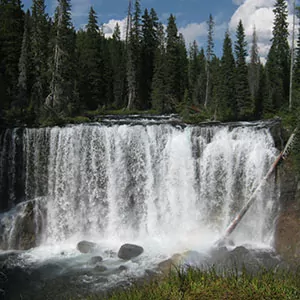
The dry mountain air and high elevation (ranging from 5,282 to 11,358 feet above sea level) create unique conditions that first-time visitors often underestimate. I learned this lesson during my first August visit when I severely underestimated how quickly the temperature drops after sunset. The lack of humidity means you'll feel comfortable during the day but should always carry warm layers for evening wildlife watching or unexpected weather changes.
Weather Tip: Afternoon thunderstorms are common in August, typically developing between 2-5 PM. These storms are usually brief but can produce lightning, hail, and sudden temperature drops.
Precipitation in August averages only 1.5 inches for the month, with most moisture coming from these afternoon thunderstorms. The storms often enhance the dramatic landscape photography opportunities, as I discovered when capturing the Grand Prismatic Spring under clearing storm clouds. The key is staying flexible with your itinerary and having backup indoor activities planned at visitor centers or lodges when weather conditions become unfavorable.
Wildlife Viewing Opportunities
August represents peak wildlife activity in Yellowstone National Park in August, with the famous bison rut beginning and bears actively foraging before winter preparation. The extended daylight hours (sunrise around 6 AM and sunset after 8 PM) provide ample opportunities for wildlife photography and observation, particularly during the golden hours when animals are most active.
Recommended for Wildlife Viewing
Occer 12x25 Compact Binoculars - Perfect for Wildlife Watching
Rated 4.4/5 stars with over 31,000 reviews
View on Amazon - $35.99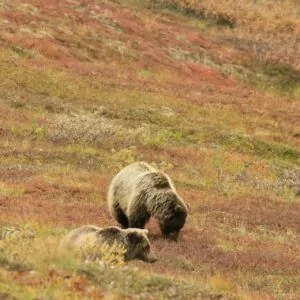
The bison rut in Lamar and Hayden Valleys creates spectacular viewing opportunities, though it requires maintaining safe distances of at least 25 yards. I witnessed my most memorable wildlife encounter during the August rut when two massive bulls engaged in a dominance battle that lasted nearly an hour. The thunderous sound of their collision and the dust clouds they created made for an unforgettable experience that truly showcases the raw power of these magnificent animals.
Bear activity peaks in August as both black bears and grizzly bears prepare for winter by consuming up to 20,000 calories per day. Huckleberries ripen during this period, concentrating bear activity in specific areas. A park ranger shared with me that August bears are generally more predictable in their movements, making wildlife watching more successful but requiring extra vigilance with food storage and bear spray readiness.
Wildlife Safety: Always carry bear spray, make noise while hiking, and travel in groups of three or more. Never approach wildlife for photos - use quality binoculars instead.
Managing Crowds and Peak Season Tips
Yellowstone National Park in August receives over 700,000 visitors, making crowd management essential for an enjoyable experience. The park's infrastructure, while robust, can become overwhelmed during peak hours (10 AM to 4 PM), leading to parking lot closures, traffic delays, and overcrowded boardwalks at popular attractions like Old Faithful and Grand Prismatic Spring.
My most successful strategy involves the "5-5 rule" - be at major attractions by 5 AM or after 5 PM. This schedule allowed me to photograph Grand Prismatic Spring with minimal crowds and witness Old Faithful eruptions with front-row viewing positions. The early morning hours also provide the best lighting conditions for photography and the highest likelihood of wildlife encounters.
Early Bird Strategy
- • Enter parks before 8 AM
- • Visit Old Faithful at sunrise
- • Secure parking at popular spots
- • Better wildlife viewing opportunities
Evening Alternative
- • Return after 5 PM for attractions
- • Golden hour photography
- • Cooler hiking temperatures
- • Sunset at Yellowstone Lake
Parking becomes extremely challenging during midday hours, with lots at Grand Canyon of Yellowstone, Artist Point, and Midway Geyser Basin typically full by 9 AM. I learned to use the park's webcams and mobile apps to check real-time conditions before driving to specific locations. Alternative parking strategies include using less popular trailheads and walking to viewpoints, which often provides superior perspectives without the crowds.
Traffic management requires patience and flexibility. "Bison jams" - traffic stops caused by wildlife on roads - can last 30 minutes to several hours. Rather than viewing these as inconveniences, I've learned to embrace them as unique wildlife viewing opportunities. Pack snacks, water, and entertainment, and remember that these spontaneous encounters often become the most memorable parts of your Yellowstone National Park in August adventure.
Essential Gear and Equipment
Proper gear selection can make or break your Yellowstone National Park in August experience. The dramatic temperature variations, unpredictable weather, and diverse terrain require careful equipment planning. Based on my multiple August visits and lessons learned from both successes and mistakes, here are the essential items that should top your packing list.
Essential Safety
SABRE Frontiersman MAX Bear Spray
40 ft Range, EPA-Registered (4.7/5 stars)
Get Bear Spray - $39.94Day Hiking
Maelstrom 40L Waterproof Hiking Backpack
Rain Cover Included (4.6/5 stars)
View Backpack - $39.99Navigation
Yellowstone National Geographic Trail Map
Waterproof, Detailed Trails (4.7/5 stars)
Get Map - $13.90Hydration
32oz National Parks Insulated Water Bottle
Stickers Included (4.3/5 stars)
Shop Bottle - $18.99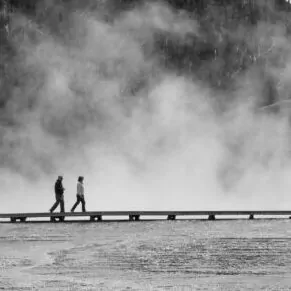
Gear Lessons Learned
During my second August visit, I made the mistake of wearing cotton clothing. When an afternoon thunderstorm soaked me completely, the cotton retained moisture and made me dangerously cold as temperatures dropped. Always choose moisture-wicking synthetic or merino wool fabrics for base layers.
Layering systems prove crucial for Yellowstone National Park in August comfort and safety. Start with moisture-wicking base layers, add insulating mid-layers (fleece or down), and top with waterproof/windproof outer shells. This system allows you to adapt quickly to changing conditions, from hot midday hiking to cool evening wildlife viewing or sudden thunderstorm protection.
Footwear selection impacts your entire experience. Sturdy hiking boots with ankle support prevent injuries on uneven terrain, while waterproof capabilities prove invaluable around geysers and during stream crossings. I recommend breaking in new boots at least two weeks before your trip, as I learned painfully during my first visit when new boots caused severe blisters that limited my hiking for three days.
Sun protection becomes critical at Yellowstone's high elevation, where UV intensity increases significantly. Wide-brimmed hats, quality sunglasses, and SPF 30+ sunscreen prevent burns that can ruin your outdoor adventures. Don't forget lip balm with SPF - the dry mountain air combined with intense UV exposure can cause painful chapped lips that make eating and drinking uncomfortable.
My Personal August Yellowstone Experience
Over five August visits to Yellowstone National Park in August, I've developed deep appreciation for the unique rhythms and challenges of peak season travel. My most transformative experience occurred during my third visit when I completely abandoned the typical tourist schedule and embraced early morning and late evening exploration strategies that revealed the park's hidden character.
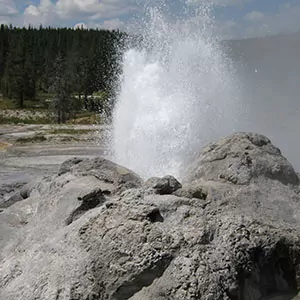
My most memorable wildlife encounter happened at 5:30 AM in Lamar Valley when I witnessed a wolf pack hunting strategy unfold over two hours. The early morning mist, combined with the golden sunrise light, created cinematographic conditions that no midday visit could replicate. This experience taught me that Yellowstone National Park in August rewards visitors who adjust their schedules to natural rhythms rather than convenience.
Ranger Rick's Pro Tip
"During my conversation with Ranger Rick at Canyon Village, he shared that August visitors who hike just half a mile from parking areas enjoy 90% fewer crowds while accessing some of the park's most spectacular viewpoints. 'Most people won't walk more than 200 yards from their cars,' he explained."
Photography challenges in August taught me valuable lessons about light management and crowd psychology. The harsh midday sun creates unflattering shadows and overexposed highlights, while the crowded boardwalks make composition difficult. However, I discovered that afternoon thunderstorms often clear just before sunset, creating dramatic cloud formations and enhanced colors that produce award-winning landscape photographs.
Food planning became crucial after experiencing the reality of overwhelmed park restaurants during peak hours. Waiting 45 minutes for a basic sandwich at Old Faithful Inn taught me to pack substantial picnic lunches and scout quiet eating spots throughout the park. Some of my most peaceful moments occurred while eating lunch beside remote streams, far from tourist crowds but still within easy hiking distance of major attractions.
My relationship with Yellowstone National Park in August evolved from frustration with crowds to appreciation for the vibrant energy that peak season brings. The excitement of children seeing their first geyser eruption, the international conversations overheard on trails, and the shared wonder during wildlife encounters create a community atmosphere that quieter seasons cannot replicate. Learning to work with, rather than against, the August energy transformed my perspective entirely.
What Other Visitors Say
Sarah M. (Reddit User)
Visited August 2023
"August crowds were intense, but we followed early morning advice and had incredible wildlife viewing. Saw wolves, bears, and bison all in one morning at Lamar Valley. The weather was perfect for hiking - just pack layers!"
Mike T. (Amazon Reviewer)
Family Trip, August 2024
"The bear spray recommendation saved our camping trip when a curious black bear visited our site. Park rangers confirmed we handled it perfectly. August weather was ideal - warm days, cool nights. Kids loved it!"
Jennifer L. (Quora Contributor)
Solo Travel, August 2023
"Yellowstone in August exceeded expectations despite warnings about crowds. Strategic timing and proper gear made all the difference. The bison rut was absolutely spectacular - nature at its finest!"
Pros and Cons of August Visits
Understanding both advantages and challenges of visiting Yellowstone National Park in August helps set realistic expectations and enables better trip planning. Based on extensive personal experience and conversations with fellow travelers, here's an honest assessment of peak season travel.
Advantages
- Optimal Weather: Warm days (70-80°F) perfect for hiking and outdoor activities with minimal precipitation risk.
- Peak Wildlife Activity: Bison rut, active bears, and extended daylight hours for wildlife photography.
- Full Park Access: All roads, trails, and facilities operating at maximum capacity with complete service availability.
- Vibrant Atmosphere: International visitors, educational programs, and shared wonder create memorable community experiences.
- Extended Daylight: Nearly 15 hours of daylight allow flexible scheduling and multiple activity options per day.
Challenges
- Massive Crowds: Over 700,000 monthly visitors create parking shortages, traffic delays, and overcrowded attractions.
- Premium Pricing: Accommodation costs peak, with lodging rates 200-300% higher than shoulder seasons.
- Limited Availability: Reservations required months in advance for camping, lodging, and popular activities.
- Traffic Stress: "Bison jams" and road congestion can add hours to travel times between park locations.
- Heat Challenges: Midday temperatures and UV exposure at high elevation require careful planning and sun protection.
Bottom Line: August offers the complete Yellowstone experience but requires strategic planning, patience, and flexibility to maximize enjoyment while minimizing frustrations.
Frequently Asked Questions
What is the weather like in Yellowstone National Park in August?
August weather in Yellowstone National Park in August features warm daytime temperatures ranging from 70-80°F (21-27°C) with cool nights dropping to 40-50°F (4-10°C). Expect mostly dry conditions with occasional afternoon thunderstorms lasting 1-2 hours. The high elevation and dry mountain air create comfortable daytime conditions but require warm layers for evening activities. Precipitation averages only 1.5 inches for the entire month, making it one of the driest periods of the year for outdoor recreation.
How crowded is Yellowstone in August compared to other months?
August represents peak season with over 700,000 visitors, making it the second busiest month after July. Expect full parking lots at major attractions by 9 AM, traffic delays ranging from 30 minutes to 2 hours, and crowded boardwalks throughout midday hours (10 AM - 4 PM). However, strategic timing, early morning visits, and evening exploration can significantly reduce crowd impacts. The high visitor volume also brings vibrant international atmosphere and full service availability that many travelers appreciate.
What wildlife can I expect to see in Yellowstone during August?
August offers exceptional wildlife viewing with the famous bison rut beginning in Lamar and Hayden Valleys, creating dramatic mating displays and territorial battles. Bears remain highly active, foraging up to 20 hours daily as they prepare for winter hibernation. Elk gather in bachelor herds, wolves hunt cooperatively in extended daylight hours, and diverse bird species thrive around the park's water features. Early morning (5-8 AM) and evening hours (6-9 PM) provide optimal viewing opportunities when animals are most active and crowds are minimal.
What essential gear should I pack for an August Yellowstone visit?
Essential gear for Yellowstone National Park in August includes bear spray (mandatory for backcountry), layered clothing system (base layers, insulating mid-layers, waterproof outer shell), sturdy hiking boots, wide-brimmed hat, quality sunglasses, and SPF 30+ sunscreen. The 40-degree temperature swing between day and night requires versatile clothing options. Additional critical items include insulated water bottles, headlamps for early morning starts, first aid supplies, and detailed park maps. Quality binoculars enhance wildlife viewing while maintaining safe distances from potentially dangerous animals.
How can I avoid crowds while visiting Yellowstone in August?
Implement the "5-5 strategy" - arrive at major attractions before 5 AM or after 5 PM when parking availability improves and crowds thin significantly. Explore hiking trails beyond 0.5 miles from parking areas where 90% of visitors never venture. Utilize alternative viewing locations and lesser-known trails recommended by park rangers. Monitor park webcams for real-time crowd conditions, plan midday activities away from popular attractions, and embrace "bison jams" as unique wildlife viewing opportunities rather than inconveniences. Flexibility and patience transform potential frustrations into memorable experiences.
For more detailed information and updates, visit our comprehensive guide: Yellowstone National Park in August
Conclusion
Yellowstone National Park in August delivers an unparalleled outdoor experience that balances incredible wildlife viewing, optimal weather conditions, and full park accessibility with the realities of peak season travel. The key to success lies in strategic planning, proper gear selection, and maintaining flexibility when crowds and weather conditions require itinerary adjustments.
My multiple August visits have taught me that the rewards far outweigh the challenges when approached with realistic expectations and proven strategies. The morning mist rising from geysers, the thunderous sound of bison battles during the rut, and the golden evening light illuminating thermal features create memories that last a lifetime. These experiences simply cannot be replicated during quieter seasons when weather conditions limit access or wildlife activity decreases.
The investment in proper preparation - from booking accommodations months in advance to packing appropriate gear and researching crowd-avoidance strategies - pays dividends in enhanced safety, comfort, and enjoyment throughout your visit. Remember that every challenge, from traffic delays to afternoon thunderstorms, often leads to unexpected discoveries and serendipitous wildlife encounters that become the highlight stories shared for years afterward.
Yellowstone National Park in August offers the complete American wilderness experience - embrace the energy, prepare for the challenges, and allow yourself to be amazed by the raw power and beauty of our nation's first national park during its most vibrant season.
Start Planning Your August Yellowstone Adventure
Ready to experience the magic of Yellowstone National Park in August? Get the essential gear and start planning your unforgettable wilderness adventure today!
Shop Essential Gear on Amazon