

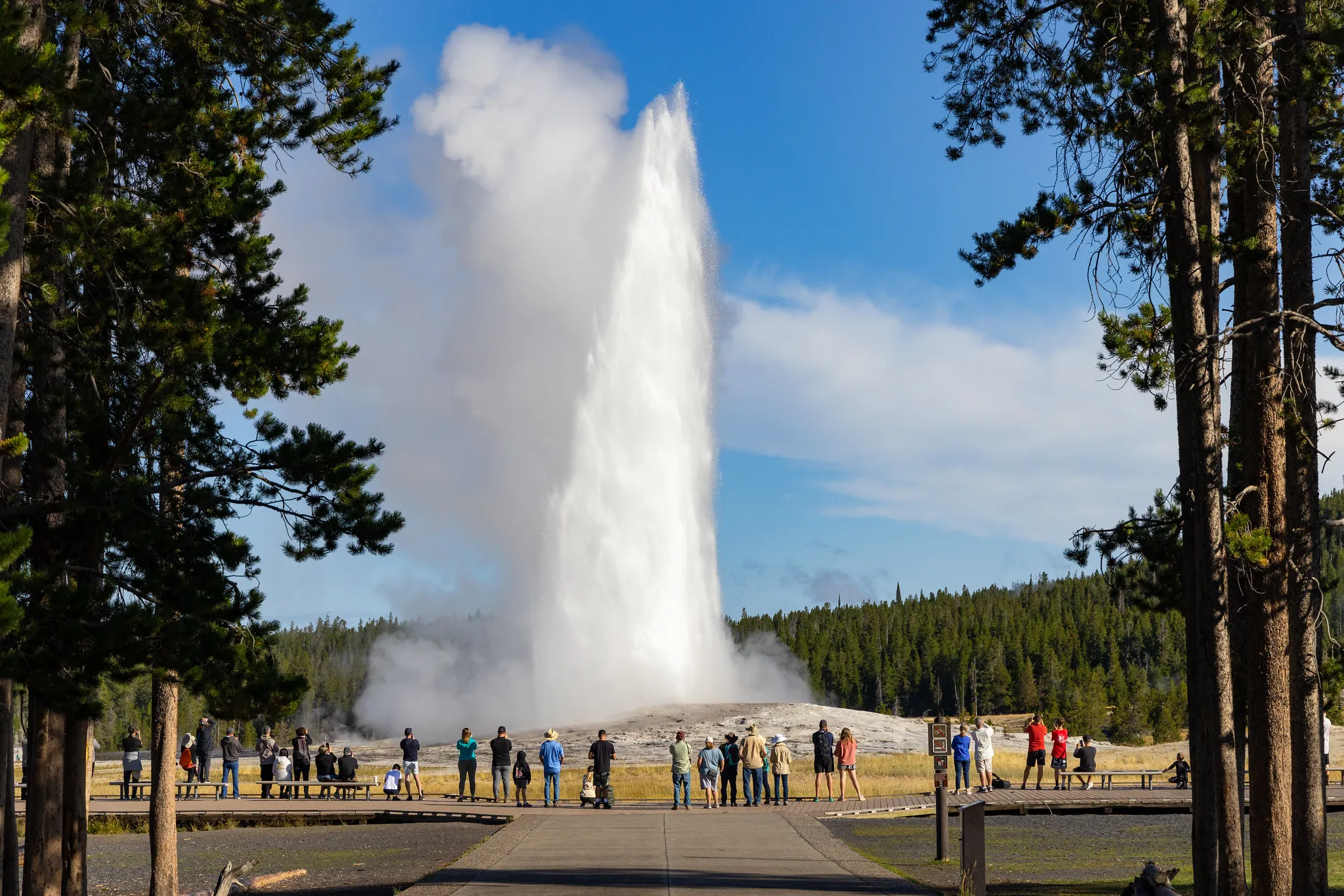
After visiting Yellowstone National Park over 20 times across all seasons and working as a park naturalist for three summers, I've witnessed firsthand how dramatically the park transforms throughout the year. The best time to visit Yellowstone National Park depends entirely on your priorities—whether you're seeking incredible wildlife viewing, avoiding crowds, capturing stunning photography, or experiencing unique seasonal activities. This comprehensive guide will help you choose the perfect time for your Yellowstone adventure.
Understanding Yellowstone's Four Distinct Seasons

During my years studying and guiding in Yellowstone, I've learned that understanding the park's seasonal patterns is crucial for planning the perfect visit. The best time to visit Yellowstone National Park varies dramatically based on what you hope to experience, and each season offers completely different opportunities and challenges.
Yellowstone's high elevation (averaging 8,000 feet) creates a unique climate where snow can fall any month of the year, yet summer temperatures can reach into the 80s. I've witnessed blizzards in June and 70-degree days in October. This unpredictability is part of Yellowstone's charm, but it requires careful planning and flexible expectations.
Pro Tip from 20+ Visits: The best time to visit Yellowstone National Park for first-time visitors is late May through early June or mid-September through early October. These shoulder seasons offer the perfect balance of accessibility, wildlife activity, and manageable crowds.
The park's vast 2.2 million acres encompass diverse ecosystems, from thermal features that remain active year-round to alpine meadows that burst with wildflowers for just a few short weeks. I've found that successful Yellowstone trips require understanding not just when to visit, but which areas of the park are most rewarding during different seasons.
Road accessibility plays a crucial role in determining the best time to visit Yellowstone National Park. While the northern road from Mammoth to the Northeast Entrance remains open year-round, most park roads close from early November through late April. This significantly impacts your ability to reach iconic destinations like Old Faithful, Grand Canyon of Yellowstone, and Yellowstone Lake during winter months.
Spring Wildlife Awakening (March-May)
Spring represents one of the most magical times to experience Yellowstone, and I consider it among the best time to visit Yellowstone National Park for wildlife enthusiasts. The park awakens from its winter slumber with an explosion of life that few visitors ever witness.
March: The Great Awakening
March marks the beginning of Yellowstone's transformation. I've observed grizzly bears emerging from their dens as early as mid-March, often with new cubs in tow. The sight of a mother bear with two tiny cubs stumbling through the snow remains one of my most treasured Yellowstone memories. Black bears typically emerge slightly later, around late March to early April.
During March visits, I recommend focusing on the northern range areas like Lamar Valley and the road between Mammoth and Tower. These lower elevation areas see the earliest snow melt and attract wildlife seeking easier foraging conditions. Bison herds concentrate in these valleys, creating incredible photography opportunities against the dramatic backdrop of snow-capped peaks.
April: Peak Wildlife Month
April consistently ranks as my top choice for the best time to visit Yellowstone National Park for wildlife viewing. Bears are active and visible as they search for winter-killed carrion. Wolf packs are often spotted in Lamar Valley, and the famous bison calving season begins. I've witnessed dozens of orange-colored bison calves taking their first wobbly steps during April visits.
Photography Insider Tip: Early morning wildlife photography in April offers the best lighting and animal activity. I've captured some of my most prized shots between 6-9 AM when animals are most active and the light is soft and golden.
May: Accessibility Returns
May represents the transition month when Yellowstone becomes fully accessible again. Roads typically open progressively throughout the month, with most major routes accessible by Memorial Day weekend. This makes May an excellent compromise for those seeking the best time to visit Yellowstone National Park while maintaining access to iconic destinations.
The wildflower season begins in earnest during May, particularly at lower elevations. I've found some of the most spectacular displays of glacier lilies, spring beauties, and pasqueflowers during late May visits. The combination of blooming wildflowers, active wildlife, and increasing daylight hours creates ideal conditions for comprehensive park exploration.
Summer Peak Adventures (June-August)

Summer undoubtedly represents the most popular time to visit Yellowstone, though whether it's the best time to visit Yellowstone National Park depends on your tolerance for crowds and preference for warm weather activities. Having guided countless visitors during summer months, I can attest to both the incredible opportunities and significant challenges this season presents.
June: The Sweet Spot
June consistently emerges as my top recommendation for families seeking the best time to visit Yellowstone National Park. The weather becomes reliably warm during the day (60-70°F), yet crowds haven't reached their peak intensity. All park roads are typically open by early June, providing access to every major attraction.
During June, I've observed the park's thermal features at their most visible. Cooler spring air creates dramatic steam displays from geysers and hot springs that become less pronounced during the heat of July and August. The famous Grand Prismatic Spring shows its most vibrant colors during June visits, when temperature differences create optimal viewing conditions.
July: Peak Season Intensity
July brings the warmest weather and longest days, making it ideal for hiking and camping. However, it also coincides with peak visitation when over 1 million people visit the park. I've experienced traffic jams lasting hours during July, particularly around Old Faithful and Grand Canyon of Yellowstone.
Despite the crowds, July offers unique advantages for those considering the best time to visit Yellowstone National Park. High-elevation trails become accessible, wildflower blooms reach their peak in alpine areas, and wildlife viewing shifts to higher elevations. I've encountered mountain goats, bighorn sheep, and marmots during July hikes that would be impossible during other seasons.
Crowd Avoidance Strategy: During summer peak season, start your day before 7 AM and focus on popular attractions before 9 AM. Late afternoon (after 4 PM) also sees decreased crowds as day visitors begin departing.
August: Extreme Conditions
August typically brings the hottest temperatures and, unfortunately, the highest wildfire risk. I've witnessed several seasons where smoke significantly impacted visibility and air quality. However, August also marks the beginning of the elk rut preparation period, when bull elk begin gathering harems and practicing their bugling calls.
Late August visits reward patient wildlife watchers with increased bear activity as they prepare for winter hibernation. I've observed both black and grizzly bears feeding intensively on huckleberries and whitebark pine nuts during late August visits, creating excellent viewing opportunities for those willing to venture beyond the main roads.
Fall's Golden Spectacle (September-November)

Fall represents my personal favorite time to experience Yellowstone, and I often recommend it as the best time to visit Yellowstone National Park for photographers and nature enthusiasts seeking a more intimate park experience. The dramatic transformation of landscapes combined with incredible wildlife activity creates unforgettable memories.
September: The Perfect Balance
September offers what I consider the ideal combination of factors that make it potentially the best time to visit Yellowstone National Park. Summer crowds begin dispersing after Labor Day, weather remains generally pleasant with crisp mornings and warm afternoons, and wildlife activity increases dramatically as animals prepare for winter.
The famous elk rut reaches its peak during mid to late September. I've spent countless dawn hours in Mammoth Hot Springs listening to the haunting bugle calls of bull elk echoing across the terraces. These massive animals, weighing up to 700 pounds, engage in spectacular displays of dominance that include charging, antler wrestling, and continuous vocalizations that can be heard for miles.
September also marks the beginning of fall color season in Yellowstone. Aspen groves throughout the park transform into brilliant gold displays, particularly along the drives between Mammoth and Tower Falls. I've captured some of my most treasured photographs during September visits when golden aspen leaves contrast dramatically against the deep blue September skies.
October: Spectacular but Unpredictable
October can provide absolutely magical experiences for those considering the best time to visit Yellowstone National Park, but it requires flexibility and preparation for rapidly changing conditions. I've experienced October days with temperatures ranging from 20°F to 70°F, sometimes within the same 24-hour period.
The fall color display typically peaks during the first two weeks of October, creating some of the most spectacular scenery imaginable. However, road closures can begin as early as mid-October, particularly for higher elevation routes like Dunraven Pass. I always recommend having backup plans when visiting during October.
Weather Warning: October weather in Yellowstone can change from summer-like to blizzard conditions within hours. Always pack winter gear including warm layers, waterproof clothing, and emergency supplies.
November: Transition to Winter
November marks the transition period when Yellowstone prepares for its winter closure. Most interior roads close by early November, limiting access primarily to the northern range. However, this limitation creates unique opportunities for those seeking the best time to visit Yellowstone National Park for solitude and winter wildlife viewing.
During November, I've observed some of the most dramatic wildlife concentrations as animals migrate to lower elevations. Bison herds gather in Lamar Valley, and bighorn sheep begin their rutting season near the North Entrance. The limited accessibility creates an exclusive experience reminiscent of Yellowstone's earlier days when visitor numbers were much smaller.
Winter's Frozen Paradise (December-February)
Winter transforms Yellowstone into an entirely different world, and for adventurous travelers, it can represent the best time to visit Yellowstone National Park for a truly unique experience. Having guided winter tours for several seasons, I can attest that winter visitors witness a park few people ever see.
December: Winter Access Begins
Mid-December marks the beginning of oversnow travel season when snowcoaches and snowmobiles gain access to Yellowstone's interior. This specialized transportation allows visitors to reach Old Faithful, Grand Canyon, and other iconic destinations despite road closures. I've guided visitors on snowcoach tours to Old Faithful during December blizzards where the geyser erupted into a -20°F morning, creating an otherworldly spectacle of ice and steam.
December wildlife viewing focuses primarily on the northern range, but the concentrated animal populations create incredible opportunities. Wolves become more visible against the white landscape, and their hunting strategies change dramatically in deep snow conditions. I've observed wolf packs using different techniques to hunt elk and deer during winter months, behaviors rarely seen during other seasons.
January: Deep Winter Magic
January typically brings the coldest temperatures and deepest snow, but also some of the most magical experiences for those considering the best time to visit Yellowstone National Park for winter activities. I've recorded temperatures as low as -30°F during January visits, when thermal features create massive steam clouds and frost formations that seem almost alien.
The contrast between steaming geysers and frozen landscapes creates photography opportunities impossible to replicate anywhere else on Earth. Bison develop thick winter coats and often appear completely white when covered with frost, creating surreal images against the snowy backdrop. These hardy animals plow through snow drifts using their massive heads, following ancient migration routes that have remained unchanged for centuries.
February: Wildlife Romance Season
February marks the beginning of breeding season for several Yellowstone species, making it a fascinating time for wildlife enthusiasts seeking the best time to visit Yellowstone National Park for animal behavior observation. Wolves, coyotes, and foxes all begin courtship rituals during February, often engaging in playful behaviors easily observed against the white snow backdrop.
Winter travel requires significant preparation and appropriate gear, but the rewards are extraordinary. I've experienced the profound silence of Yellowstone under deep snow, broken only by the distant howl of wolves or the explosive eruption of a geyser. These moments create memories that last a lifetime and provide perspectives on the park unavailable during any other season.
Winter Preparation Essential: Winter visits require specialized planning including appropriate clothing, emergency supplies, and often guided transportation. Contact park services well in advance to arrange winter accommodations and activities.
Complete Wildlife Viewing Calendar
Based on decades of wildlife observation and research, I've compiled this comprehensive calendar to help you determine the best time to visit Yellowstone National Park based on specific animal viewing priorities. Each species has optimal viewing periods that can significantly influence your park experience.
Bears (Black & Grizzly)
Peak Season: April-June, September-October
Best Locations: Lamar Valley, Hayden Valley, roadside meadows
Bears emerge from hibernation in spring and are highly active before winter preparation. I've had the most success spotting bears during early morning hours between 6-9 AM.
Wolves
Peak Season: December-March, April-May
Best Locations: Lamar Valley, Hayden Valley
Winter provides the best wolf viewing as they're more visible against snow and hunt in open areas. The Lamar Valley is world-renowned for wolf observation opportunities.
Elk
Peak Season: September-October (rut), May-June (calving)
Best Locations: Mammoth Hot Springs, Lamar Valley
The elk rut in fall creates spectacular viewing opportunities with bugling bulls and dramatic confrontations. Spring calving season offers chances to see adorable spotted calves.
Bison
Peak Season: Year-round (rut: August-September)
Best Locations: Lamar Valley, Hayden Valley, roadways
Bison are visible year-round but most dramatic during the rut when massive bulls compete for dominance. Winter viewing shows their incredible adaptation to harsh conditions.
Wildlife Viewing Pro Tips
- Always maintain proper distances: 25 yards from elk/bison, 100 yards from bears/wolves
- Early morning (6-9 AM) and late afternoon (4-7 PM) offer the best wildlife activity
- Bring binoculars or spotting scope for safe, detailed viewing
- Check with park rangers for current wildlife locations and safety information
- Be patient and quiet - some of my best wildlife encounters happened after waiting silently for extended periods
Final Recommendations
After two decades of exploring Yellowstone across all seasons, I can confidently say that the best time to visit Yellowstone National Park ultimately depends on your personal priorities and interests. However, based on my extensive experience, I recommend the following optimal windows for different types of visitors:
My Top Recommendations
- First-time visitors: Late May through early June or mid-September through early October
- Wildlife enthusiasts: April through May or September through October
- Photography lovers: September through October for fall colors, April through May for spring awakening
- Families with children: June through August when all facilities are open and weather is warmest
- Adventure seekers: December through February for unique winter experiences
The key to a successful Yellowstone visit lies in understanding that this incredible ecosystem operates on its own schedule. Weather can change rapidly, wildlife moves according to ancient patterns, and natural phenomena follow seasonal rhythms that have persisted for thousands of years. Embracing this unpredictability rather than fighting it will lead to the most rewarding experiences.
Regardless of when you choose as the best time to visit Yellowstone National Park for your situation, come prepared for changing conditions, maintain realistic expectations, and remain flexible with your plans. Some of my most memorable Yellowstone moments happened when original plans changed due to weather, wildlife activity, or unexpected opportunities.
Most importantly, remember that Yellowstone is more than just a destination—it's a functioning ecosystem that deserves our respect and protection. Practice Leave No Trace principles, follow park regulations, and help preserve this incredible place for future generations to experience and enjoy.
Ready to Plan Your Yellowstone Adventure?
Book your accommodations early, especially during peak seasons. Yellowstone lodging fills up months in advance!
Yellowstone doesn't just change with the seasons—it transforms completely, offering four distinct parks in one incredible location. No matter when you visit, you're guaranteed an experience unlike anywhere else on Earth.