


Best Time to Visit Yellowstone National Park: Your Complete Seasonal Guide
Having camped at both Elliott Key and Boca Chita Key multiple times over the past three years, I can tell you that camping in Biscayne National Park is unlike any other national park experience. This unique marine wilderness offers incredible opportunities but requires specific preparation and knowledge. In this comprehensive guide, I'll share everything I've learned from my firsthand experiences to help you plan the perfect Biscayne camping adventure. Visit Nature Guests for more outdoor adventure guides.
Understanding Biscayne National Park Camping
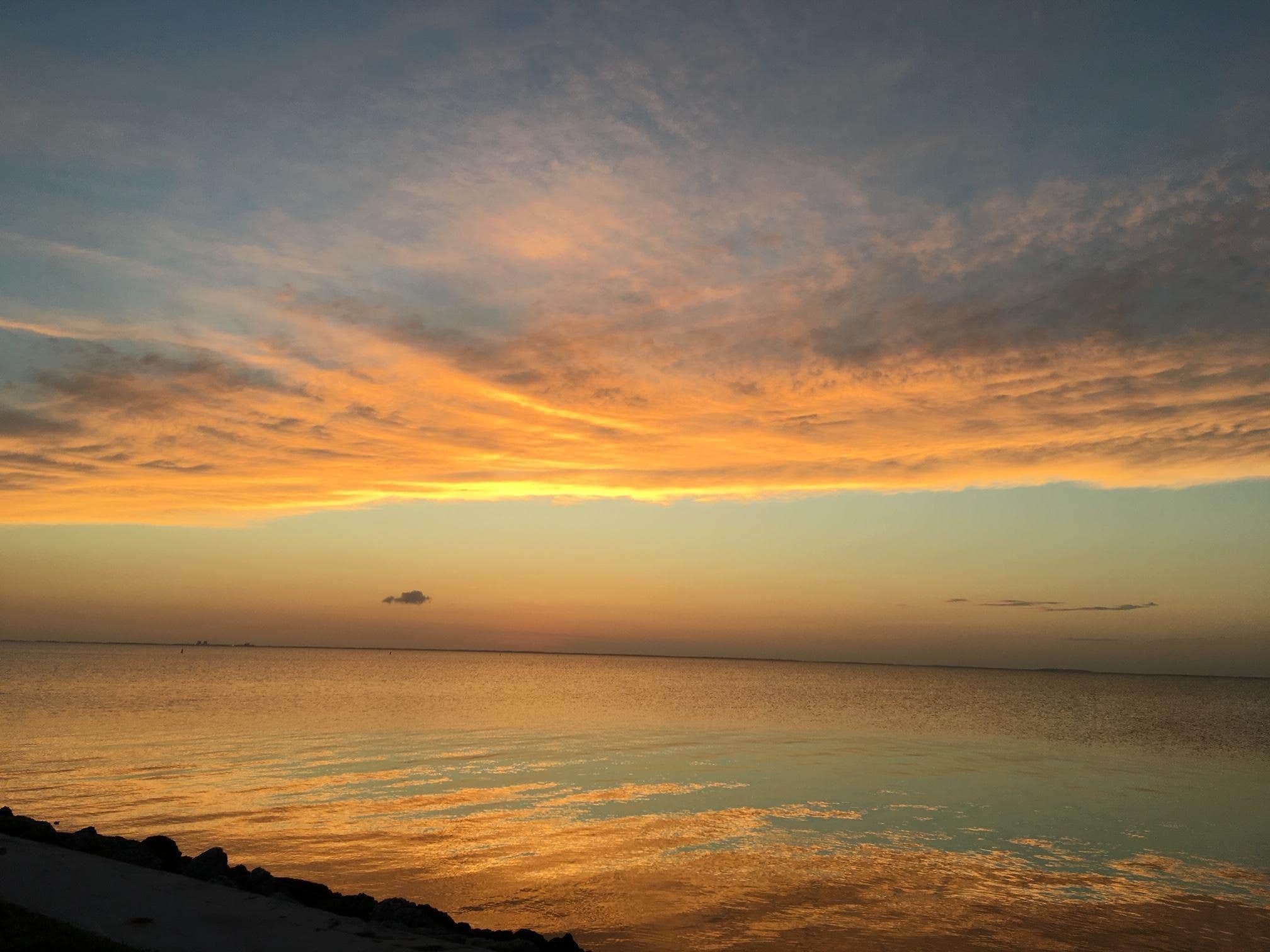
Before diving into the specific things to know before camping in Biscayne, it's crucial to understand what makes this park so unique. Biscayne National Park is 95% underwater, making it fundamentally different from any terrestrial camping experience. The two campgrounds - Elliott Key and Boca Chita Key - are accessible only by boat, creating an adventure that begins the moment you leave the mainland.
During my first visit in 2022, I was completely unprepared for what awaited me. Unlike traditional campgrounds with road access, camping in Biscayne National Park requires marine navigation skills and boat transportation. Both islands offer primitive camping experiences with limited amenities, but each has its own character and challenges.
Elliott Key vs. Boca Chita Key: Key Differences
Elliott Key, the larger of the two islands, provides more amenities including cold showers, sinks, and drinking water. However, during my stays there, I encountered what locals call "no-see-ums" - tiny biting insects that can make your camping experience miserable without proper preparation. The island spans seven miles with hiking trails, but the real draw is the marine environment surrounding it.
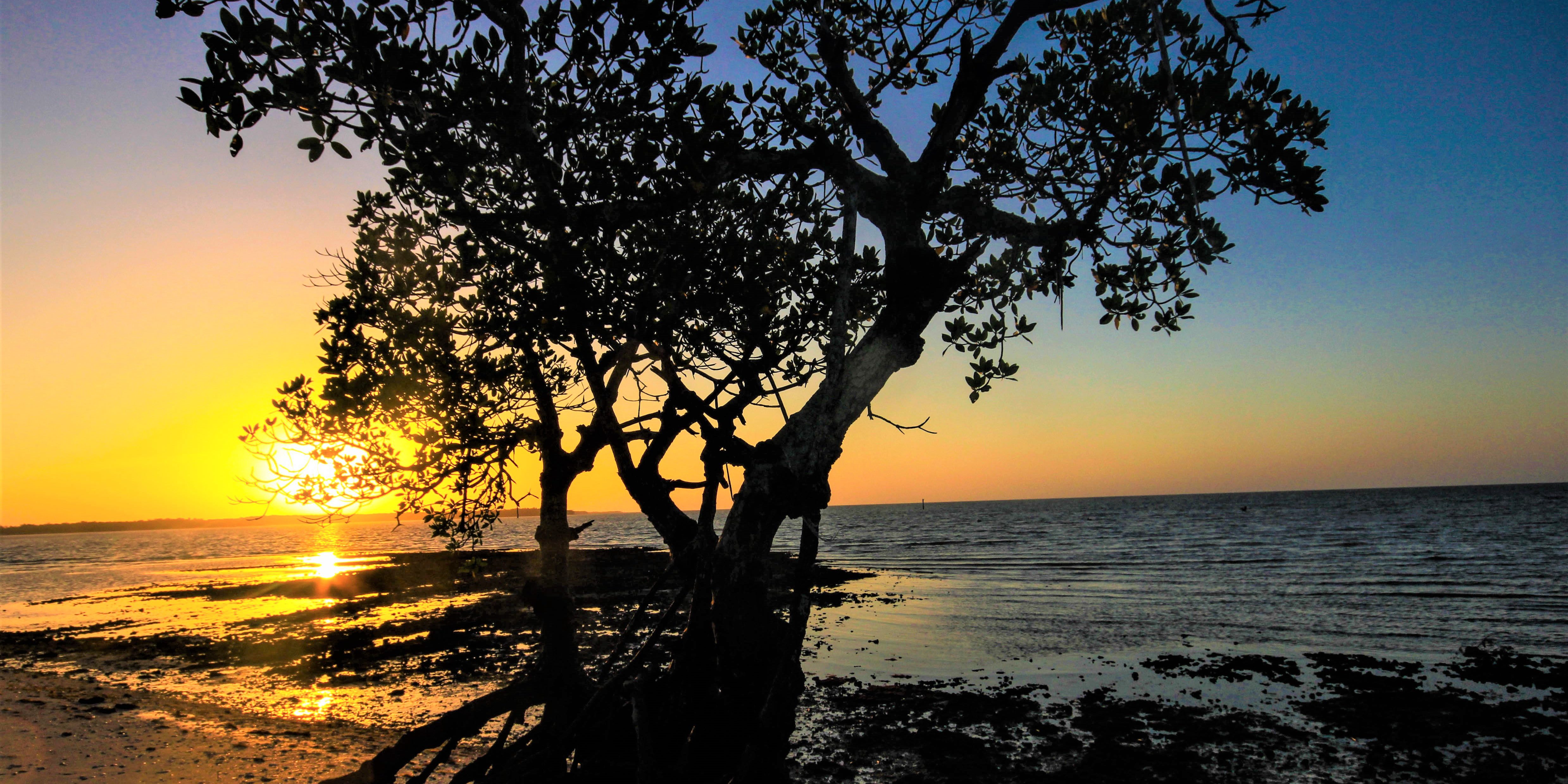
Boca Chita Key, though smaller and more popular, offers a more rustic experience with basic restrooms but no showers or running water. What it lacks in amenities, it makes up for in scenic beauty and the iconic lighthouse that provides spectacular sunset views. I've found the best campsites in Biscayne National Park are often those with good wind exposure to help with insect control.
Both islands operate on a first-come, first-served basis with no advance reservations possible. This adds an element of uncertainty that requires flexible planning. During peak season (December through April), I've seen campers arrive early to secure spots, sometimes as early as sunrise. The things to know before camping in Biscayne include understanding this competitive dynamic and having backup plans.
My Personal Experience at Elliott Key and Boca Chita
My journey with things to know before camping in Biscayne began three years ago when I first attempted to reach Elliott Key in my 24-foot center console boat. That initial trip taught me lessons I'll never forget. The weather forecast showed light winds, but conditions on Biscayne Bay can change rapidly. What started as a calm morning became choppy by afternoon, making the return trip challenging.
Elliott Key: My Base Camp Adventures
Elliott Key has become my preferred camping destination, despite the insect challenges. The island's marina provides protection for boats, crucial during overnight stays. I've learned that how to camp in Biscayne National Park successfully depends heavily on timing and preparation. My most memorable stay was during February 2023, when mild temperatures and steady breezes created perfect conditions.
The cold showers at Elliott Key, while basic, feel refreshing after a day in the salt air and sun. I always pack a HEETA Waterproof Dry Bag to keep clothes and electronics dry during the boat journey and potential weather changes. This 20L capacity bag has been essential for protecting camping gear from saltwater spray.
Boca Chita Key: Island Paradise Challenges
Boca Chita Key offers a more social camping atmosphere, but this can be both blessing and curse. During my weekend visits, the island fills with Miami boaters looking to party, sometimes ignoring quiet hours. However, weekday camping provides an entirely different experience - peaceful, serene, and perfect for those seeking solitude.
The lighthouse climb remains one of my favorite activities, offering 360-degree views of Florida Bay and the Atlantic Ocean. From the top, you can see Miami's skyline on clear days, providing perspective on how close yet isolated you are. Boat-in camping in Biscayne National Park creates this unique sense of adventure and remoteness that's hard to find elsewhere in South Florida.
Essential Gear for Marine Environment Camping
Understanding the essential gear for things to know before camping in Biscayne comes from years of trial and error in this marine environment. The combination of saltwater, humidity, insects, and limited freshwater creates unique challenges that standard camping gear doesn't always address.
Shelter and Protection
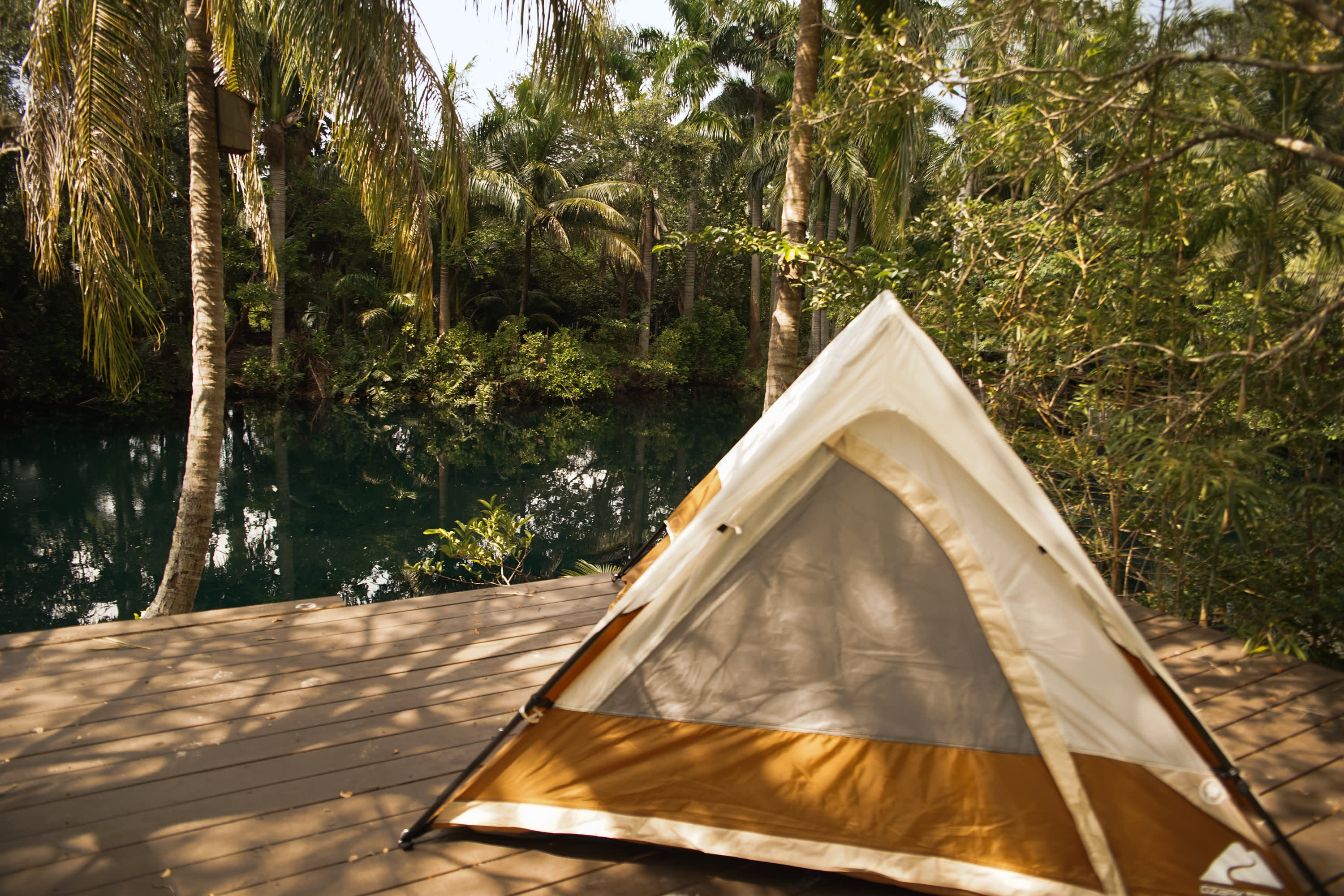
Your tent selection can make or break your Biscayne camping experience. I recommend the Night Cat Backpacking Tent, which has served me well through multiple trips. Its waterproof rating and quick-setup design are crucial when weather conditions change rapidly. The saltwater environment requires gear that can handle moisture without corroding.
Gear Recommendation from Experience:
After testing various tents in Biscayne's conditions, I found that double-wall tents with full rainflies work best. The extra ventilation helps prevent condensation buildup from the humid marine air.
Insect protection goes beyond just bug spray. The South to East Premium Mosquito Head Net has saved me countless times, especially during dawn and dusk when insects are most active. The fine mesh design protects against both mosquitoes and no-see-ums while maintaining visibility.
Cooking and Food Storage
Cooking in a marine environment requires specialized equipment. The Gas One Dual Fuel Portable Camping Stove handles the windy conditions common on both islands while providing reliable heat for cooking. Its carrying case protects it from saltwater exposure during transport.
Food storage becomes critical when camping on islands with wildlife. I learned this lesson the hard way when curious raccoons on Elliott Key investigated my poorly secured food supplies. Metal containers and rope hanging systems work better than plastic coolers, which animals can easily access. The key aspects of camping gear for Biscayne National Park include saltwater resistance and wildlife security.
Safety and Emergency Equipment
The remote nature of these islands makes safety equipment non-negotiable. I always carry a Marine First Aid Kit specifically designed for waterproof environments. This 123-piece kit includes supplies for cuts, burns, and marine-specific injuries like sea urchin spines or jellyfish stings.
Communication devices deserve special attention when considering things to know before camping in Biscayne. Cell service is spotty at best on both islands, and completely absent in some areas. I carry a waterproof VHF radio for emergency contact with the Coast Guard and other boaters. Solar chargers help maintain electronic devices in an environment where electrical power doesn't exist.
Safety Considerations and Weather Challenges
The marine environment of Biscayne National Park presents unique safety challenges that aren't found in traditional camping. Understanding these hazards is among the most important things to know before camping in Biscayne. My experiences have taught me that preparation and respect for the marine environment are essential for safe camping.
Weather Pattern Understanding
Florida's weather can change dramatically within hours, and being on an island makes you particularly vulnerable. I've experienced situations where morning calm turned into afternoon thunderstorms with 30+ mph winds. The key is understanding that weather conditions for camping in Biscayne require constant monitoring both before and during your trip.
Winter months (December through March) provide the most stable weather, but even then, cold fronts can bring strong north winds that make boat travel dangerous. During my February 2024 trip, a sudden front trapped several camping groups on Elliott Key for an extra day when seas became too rough for small boat travel.
Weather Safety Tip from Experience:
Always have a weather radio and check marine forecasts every 6 hours. I've learned to watch for wind direction changes that often precede weather system arrivals. If winds shift from southeast to northeast, prepare for potential rough conditions.
Marine Wildlife Safety
The waters around both islands host marine life that requires careful consideration. During my snorkeling sessions, I've encountered nurse sharks, stingrays, and barracuda - all generally harmless if treated with respect. However, wildlife safety while camping in Biscayne extends beyond the water to land-based creatures.
Both islands have raccoon populations that have become comfortable around humans. These animals can carry diseases and become aggressive when protecting food sources. I always store food in hard containers and hang them from trees away from camping areas. American crocodiles, while rare, do inhabit the park waters and have been spotted near both camping islands.
Water Safety and Tidal Awareness
Understanding tidal patterns becomes crucial for boat security and beach activities. Low tides can strand boats in shallow areas, while high tides can flood low-lying camping spots. I experienced this firsthand when a higher-than-predicted tide flooded my tent site on Boca Chita Key during a full moon cycle.
Swimming safety requires constant vigilance. The clear waters can hide dangerous currents, especially around channel markers and island points. I never swim alone and always inform other campers of my water activities. Strong currents between islands can quickly carry swimmers away from safety.
Permits, Fees, and Practical Planning Tips
Navigating the permitting and fee system is a crucial aspect of things to know before camping in Biscayne. Unlike many national parks with advance reservation systems, Biscayne's first-come, first-served approach requires strategic planning and flexible scheduling.
Fee Structure and Payment Methods
As of 2024, camping fees are $35 per night with additional marina docking fees of $25 per day on weekends and holidays. These fees support park maintenance and ranger services. What caught me off-guard initially was the payment method - you must use the Recreation.gov mobile app to scan QR codes on the islands. Ensure your phone has the app downloaded and your account set up before departing the mainland.
The fee structure reflects the unique nature of camping permits for Biscayne National Park. There's no entrance fee to the park itself, but camping and marina use require payment. Senior citizens with America the Beautiful passes receive 50% discounts on camping fees, making it more affordable for retirees exploring the park by boat.
Strategic Planning for Site Availability
My most successful camping trips involve midweek planning and flexible dates. Weekend demand is highest, particularly during winter months when weather conditions are optimal. I've found that arriving on Monday or Tuesday provides the best chance of securing preferred camping spots, especially on popular Boca Chita Key.
Elliott Key offers more camping capacity and generally has better availability, but the trade-off includes more aggressive insects and less scenic surroundings compared to Boca Chita. Understanding these dynamics helps in planning backup options when your first choice isn't available.
Planning Tip from Experience:
Create a backup plan that includes camping alternatives near the mainland. Camping near Biscayne National Park provides options when island sites aren't available.
Logistical Considerations
Boat launching and marina logistics require advance planning. The closest public boat ramps can become crowded during peak seasons, particularly on weekends. I typically launch from Homestead Bayfront Park or Black Point Marina, depending on weather conditions and destination island.
Fuel planning becomes critical since there are no fuel services on the islands. Calculate round-trip distances plus extra fuel for weather delays or route changes. During my early trips, I underestimated fuel consumption and had anxious moments watching fuel gauges during return trips.
Supply management requires careful consideration since things to know before camping in Biscayne include understanding that there are no stores, restaurants, or supply services on either island. Everything needed for camping must be transported by boat, including freshwater, food, fuel, and waste removal supplies.
Wildlife and Environmental Awareness
The diverse ecosystem of Biscayne National Park creates incredible wildlife viewing opportunities while demanding respectful coexistence. My camping experiences have provided intimate encounters with marine and terrestrial wildlife that highlight the importance of environmental stewardship as part of things to know before camping in Biscayne.
Marine Wildlife Encounters
The waters surrounding both camping islands teem with marine life that creates magical moments during camping trips. I've snorkeled with sea turtles, watched dolphins hunt in the early morning, and observed manatees grazing in shallow seagrass beds. These encounters remind me why Biscayne National Park snorkeling and camping creates such unique outdoor experiences.
Nurse sharks frequently patrol the shallow waters around both islands, typically harmless but requiring respectful distance. During one memorable camping trip, a large nurse shark spent the entire afternoon circling near our anchored boat, providing incredible viewing opportunities while teaching respect for marine predators.
Bird Life and Seasonal Migrations
Both islands serve as crucial stopover points for migratory birds, creating spectacular viewing opportunities depending on seasons. Winter months bring northern species escaping cold temperatures, while summer hosts tropical birds and nesting seabirds. I've documented over 40 bird species during various camping trips, from magnificent frigatebirds to tiny warblers.
The lighthouse on Boca Chita Key creates a unique birding opportunity, especially during migration periods when tired birds rest on the structure. Early morning and late afternoon provide the best viewing opportunities when birds are most active and temperatures are cooler.
Environmental Protection Responsibilities
Understanding our impact on this fragile ecosystem is fundamental to responsible camping. The marine environment is particularly sensitive to pollution, with plastics and chemicals having devastating effects on coral reefs and marine life. I follow strict Leave No Trace principles, enhanced for marine environments.
Environmental Stewardship:
Every piece of trash generated during camping trips returns with me to the mainland. The remote nature of these islands means there's no waste collection service, making personal responsibility crucial for environmental protection.
Coral reef protection becomes particularly important for snorkeling and diving activities. I never touch or stand on coral formations, understanding that these ecosystems take decades to develop and can be destroyed in moments by careless contact. Using reef-safe sunscreen protects both my skin and the marine environment.
Seasonal Wildlife Patterns
Understanding seasonal wildlife patterns enhances camping experiences while promoting safety. Winter months bring cooler temperatures that reduce insect activity but increase bird diversity. Summer camping means dealing with aggressive mosquitoes and no-see-ums but provides better opportunities for marine life viewing when water temperatures are warmest.
Turtle nesting season (May through October) creates special opportunities and responsibilities. Both islands serve as nesting areas for loggerhead and green sea turtles. Overnight kayaking and camping in Biscayne during nesting season requires extra caution around beach areas where turtles may be nesting or hatchlings may be emerging.
Conclusion
After three years of camping experiences in Biscayne National Park, I can confidently say that understanding the things to know before camping in Biscayne transforms a potentially challenging adventure into an unforgettable outdoor experience. The unique combination of marine environment, primitive camping conditions, and spectacular natural beauty creates opportunities found nowhere else in the National Park System.
The key to successful Biscayne camping lies in thorough preparation, flexible planning, and deep respect for the marine environment. From essential gear selection to weather awareness, from wildlife safety to environmental stewardship, every aspect requires more consideration than traditional terrestrial camping.
My most rewarding camping experiences occurred when I embraced the unique challenges rather than fighting them. The humidity, insects, tidal considerations, and weather vulnerabilities become part of the adventure when properly prepared. The reward - waking up on a pristine island surrounded by crystal-clear waters and abundant marine life - makes every preparation effort worthwhile.
Whether you choose Elliott Key for its amenities and hiking opportunities or Boca Chita Key for its scenic beauty and historic lighthouse, both islands offer transformative camping experiences. The remote setting, accessible only by boat, creates a sense of adventure and self-reliance that's increasingly rare in our connected world.
I encourage anyone considering camping in Biscayne National Park to start with thorough research, invest in quality marine-appropriate gear, and approach the experience with patience and flexibility. The rewards of camping in this unique marine wilderness justify every challenge encountered along the way.
Ready to Start Your Biscayne Adventure?
Check out our recommended gear and start planning your marine camping experience today!
Shop Camping GearFrequently Asked Questions
Is camping allowed in Biscayne National Park?
Yes, camping is allowed but only on two designated islands: Elliott Key and Boca Chita Key. Both require boat access and operate on a first-come, first-served basis. Camping is limited to 14 consecutive days or 30 days per calendar year. No backcountry camping is permitted, and all camping must occur in designated areas with proper fee payment through the Recreation.gov mobile app.
What should I expect regarding weather and insects while camping?
Weather in Biscayne can change rapidly, especially during summer months when afternoon thunderstorms are common. Winter offers more stable conditions but can bring strong cold fronts. Insects, particularly mosquitoes and no-see-ums, are prevalent year-round but worst during warm, humid months. Bring high-quality bug repellent, protective clothing, and consider head nets for dawn and dusk activities when insects are most active.
How do I get to the camping islands without my own boat?
Several charter services and tour operators provide transportation to the islands, though most focus on day trips rather than camping drop-offs. The Biscayne National Park Institute offers various boat tours that visit the islands. Private charter arrangements can be made for camping transportation, but expect higher costs. Some campers arrange with local boat owners for drop-off and pickup services, but this requires advance planning and backup arrangements.
What safety precautions are essential for marine camping?
Marine camping safety requires multiple considerations: carry VHF radio for emergency communication, monitor weather constantly, inform others of your plans, bring comprehensive first aid supplies, understand tidal patterns affecting boat security, respect marine wildlife including sharks and rays, protect against sun exposure with proper clothing and reef-safe sunscreen, and maintain emergency supplies including extra food, water, and fuel for weather delays.
Are there any amenities available on the camping islands?
Elliott Key offers cold showers, sinks, restrooms, drinking water (bring backup), picnic tables, grills, and boat slips. Boca Chita Key provides basic restrooms, picnic tables, grills, and boat mooring areas but no showers or running water. Neither island has electricity, cell service, stores, restaurants, or waste collection. All supplies must be brought by boat, and all trash must be packed out. Both islands have hiking trails and wildlife viewing opportunities.
What's the best time of year for camping in Biscayne?
The optimal camping season runs from December through March when temperatures are cooler, humidity is lower, and insect activity is reduced. However, this is also peak season with higher demand for camping spots. April and November offer good conditions with fewer crowds. Summer months bring intense heat, humidity, afternoon storms, and aggressive insects but provide excellent marine life viewing and warmer water temperatures for swimming and snorkeling activities.