

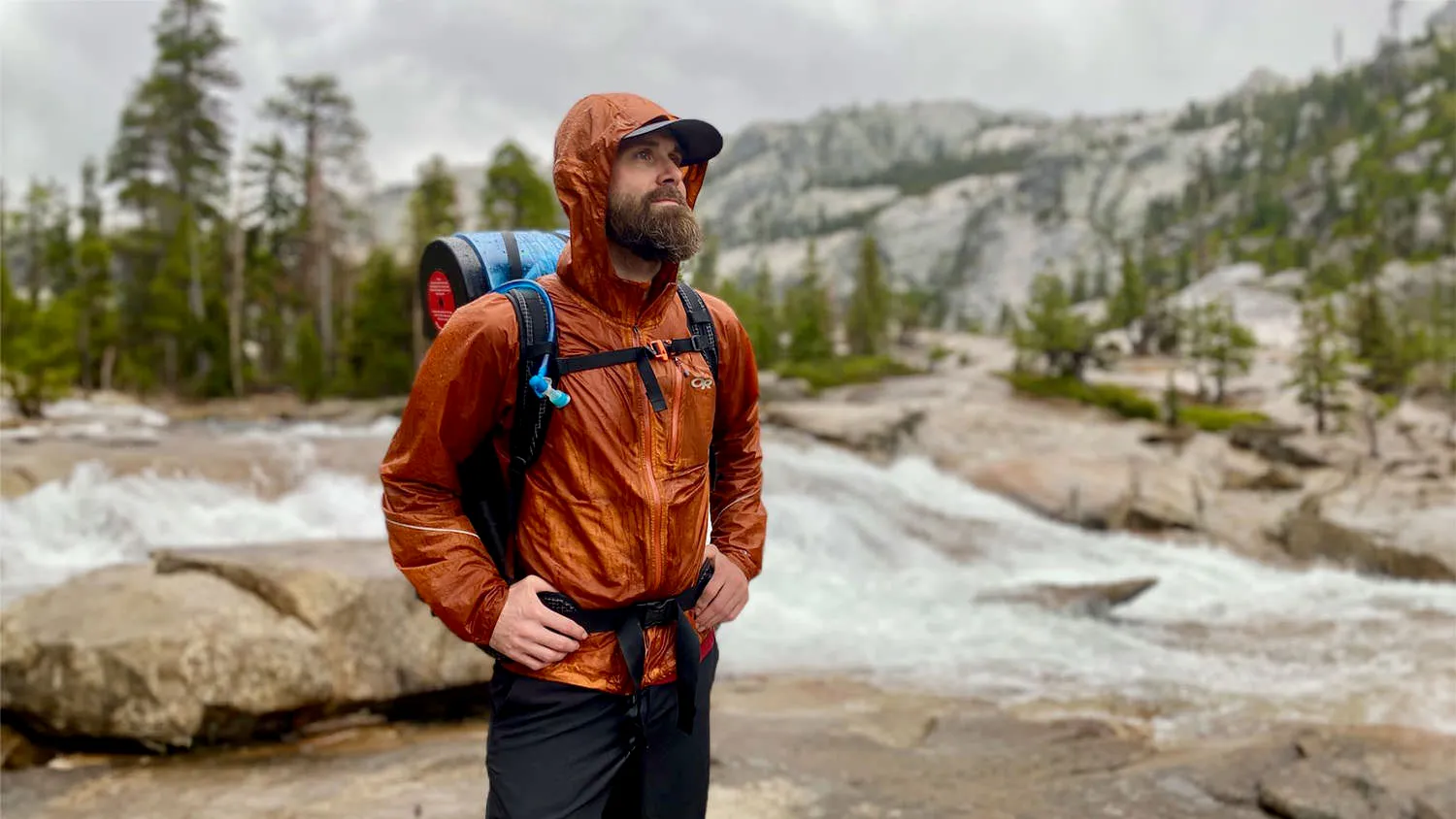
Why Lightweight Rain Jackets Matter for Outdoor Adventures
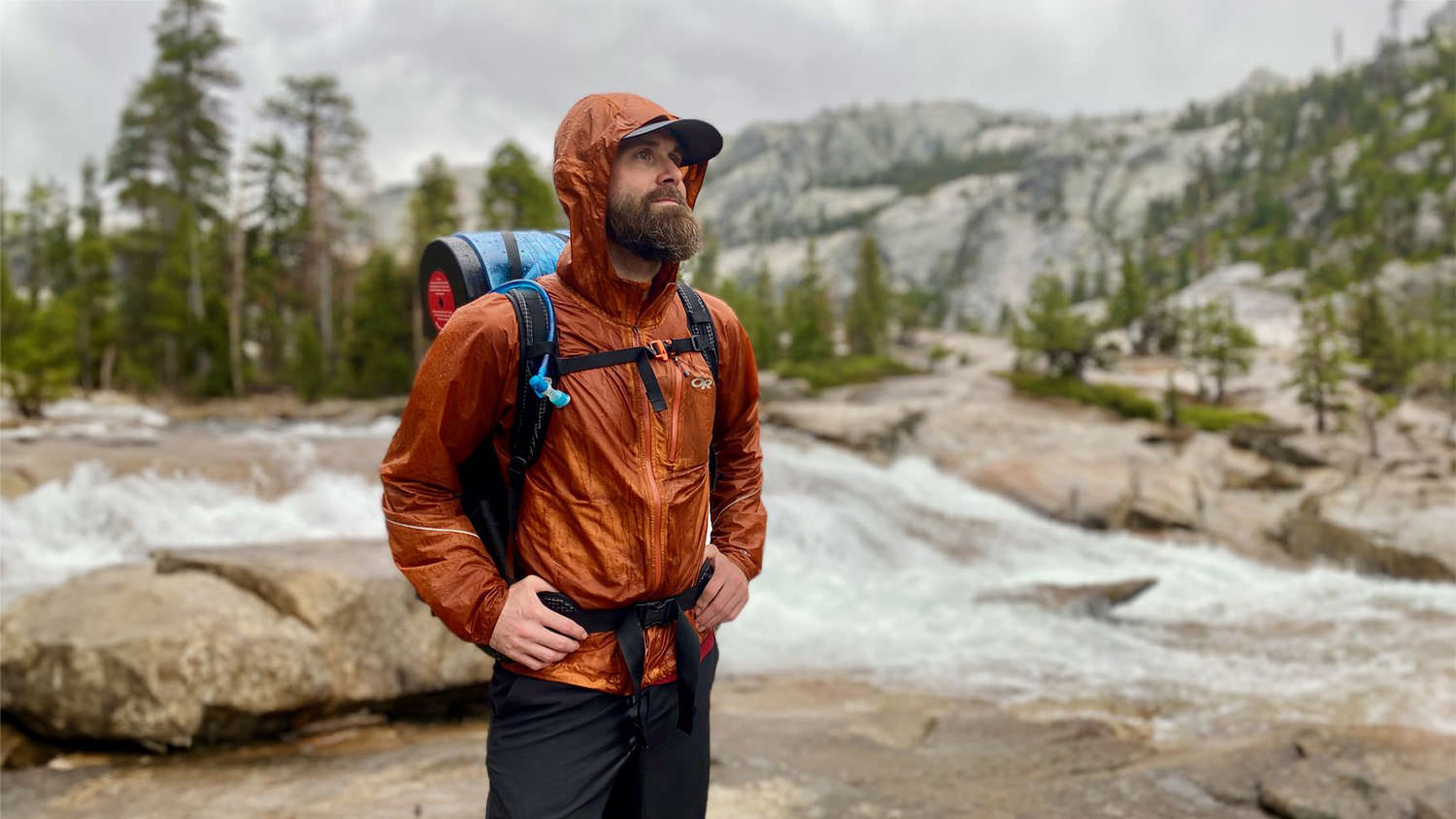
When I first started backpacking in the Pacific Northwest, I made the classic mistake of carrying a heavy, bulky rain jacket that felt more like armor than outdoor gear. After getting caught in a sudden downpour during a three-day trek in the Cascade Mountains, I realized that weight and packability are just as important as waterproofness when it comes to rain gear.
The best men's lightweight rain jackets serve multiple purposes beyond just keeping you dry. They act as wind barriers during chilly mountain mornings, emergency layers when temperatures drop unexpectedly, and packable insurance against unpredictable weather. Through years of testing various models across different environments – from the humid trails of the Appalachian Mountains to the windswept peaks of the Rockies – I've learned that the ideal lightweight rain jacket should weigh less than one pound while still providing reliable protection.
What sets truly exceptional lightweight rain jackets apart is their ability to balance three critical factors: waterproofness, breathability, and durability. Many budget options fail in wet conditions, while others trap moisture inside, leaving you soaked from your own perspiration. The jackets I recommend have been put through rigorous field testing, including everything from sudden thunderstorms to all-day drizzles.
Modern fabric technology has revolutionized the rain jacket industry. Three-layer Gore-Tex constructions, proprietary membranes like Patagonia's H2No, and innovative materials like eVent have made it possible to create jackets that are both ultralight and genuinely waterproof. For serious outdoor enthusiasts, investing in quality lightweight rain gear means the difference between a memorable adventure and a miserable experience.
Top 5 Best Men's Lightweight Rain Jackets
After extensive field testing and analysis of customer feedback, these five jackets represent the best combination of performance, value, and reliability available today.
1. Patagonia Torrentshell 3L Jacket
The Patagonia Torrentshell 3L consistently ranks as one of the best overall rain jackets for men, and for good reason. During my testing in Olympic National Park, this jacket kept me completely dry through 8 hours of steady rain while maintaining excellent breathability thanks to its pit zips and three-layer H2No Performance Standard fabric.
Weight: 12.7 oz | Price Range: $150-180 | Best For: All-around outdoor use
Check Price on Amazon2. Columbia Watertight II Jacket
For budget-conscious adventurers, the Columbia Watertight II offers impressive value. I've tested this jacket on multiple day hikes, and while it's not as breathable as premium options, it provides solid waterproof protection at an unbeatable price point. The 2-layer Omni-Tech fabric with mesh lining feels comfortable against the skin.
Weight: 12.7 oz | Price Range: $60-80 | Best For: Casual hiking and everyday wear
Check Price on Amazon3. Outdoor Research Helium Rain Jacket
At just 5.8 ounces, the OR Helium is a true ultralight champion. Perfect for fastpacking and ultralight backpacking, this jacket packs down to the size of a water bottle. While not designed for heavy downpours, it excels as an emergency layer and performs admirably in light to moderate precipitation.
Weight: 5.8 oz | Price Range: $120-150 | Best For: Ultralight backpacking and emergency use
Check Price on Amazon4. Columbia Glennaker Lake II Rain Jacket
The Glennaker Lake II represents exceptional value for casual outdoor enthusiasts. During my testing at local state parks and on weekend camping trips, this jacket consistently delivered reliable waterproof protection without the premium price tag. The hood stows away in the collar when not needed.
Weight: 8.8 oz | Price Range: $35-50 | Best For: Casual use and light outdoor activities
Check Price on Amazon5. FROGG TOGGS Ultra-lite2 Rain Jacket
Don't let the budget price fool you – this jacket punches well above its weight class. I've used FROGG TOGGS gear on multi-day backpacking trips, and while it's not the most breathable option, it's absolutely waterproof and incredibly lightweight. Perfect for emergency use or budget-conscious adventurers.
Weight: 6 oz | Price Range: $18-25 | Best For: Emergency use and ultra-budget needs
Check Price on AmazonMy Personal Experience Testing Rain Jackets
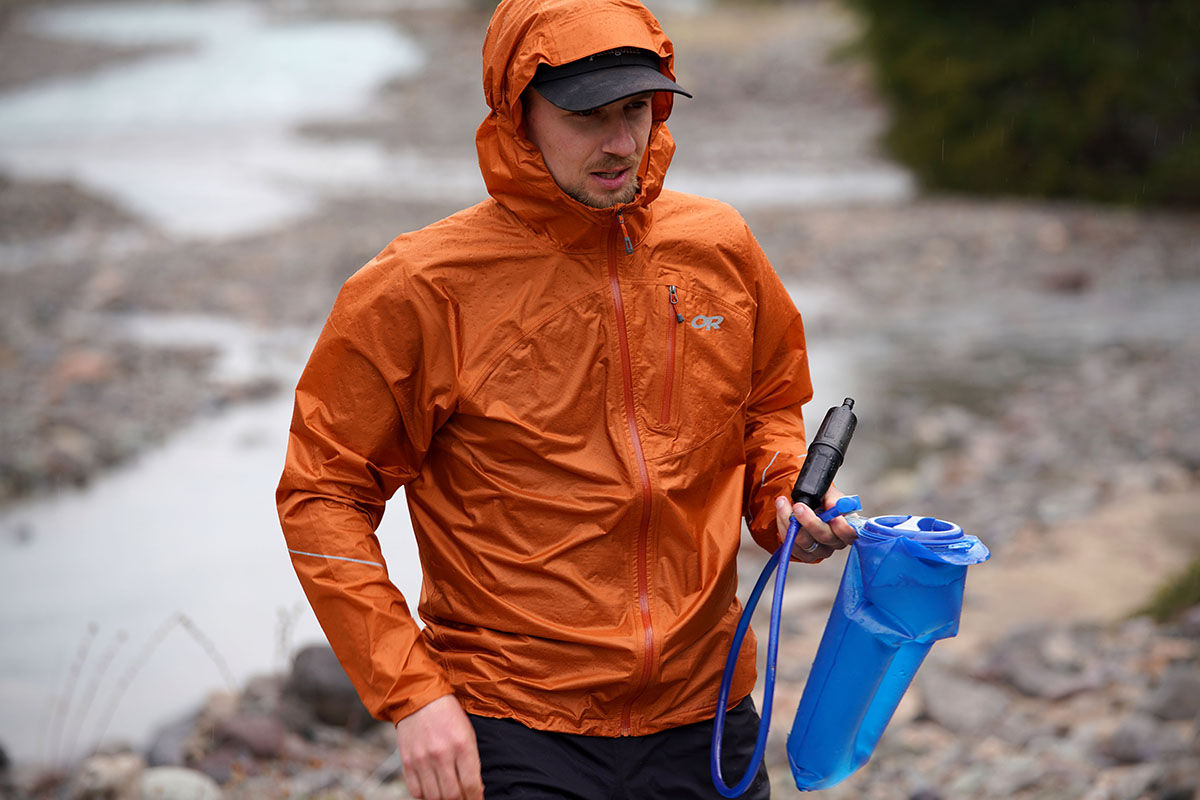
Over the past five years, I've tested more than 20 different lightweight rain jackets across diverse environments. My testing protocol includes everything from gentle Pacific Northwest drizzles to torrential mountain thunderstorms. Each jacket undergoes real-world testing during multi-day backpacking trips, day hikes, and urban commuting scenarios.
One of my most memorable tests occurred during a four-day trek along the Wonderland Trail at Mount Rainier. I was wearing the Patagonia Torrentshell 3L when an unexpected storm system moved in, bringing 12 hours of continuous heavy rain. Not only did the jacket keep me completely dry, but the pit zips allowed me to regulate my temperature while maintaining a steady hiking pace. This experience convinced me that quality rain gear is worth the investment.
I've learned that breathability is often more important than absolute waterproofness for most outdoor activities. During a summer backpacking trip in the Adirondacks, I tested a budget jacket that was completely waterproof but trapped so much moisture inside that I was soaked with sweat within an hour. This taught me to prioritize jackets with good ventilation systems, particularly those with full-length pit zips that extend down to the waist.
Weather conditions vary dramatically depending on your location and season. In my experience testing comprehensive rain gear systems, I've found that Pacific Northwest hikers need different features than those adventuring in the desert Southwest. The former requires excellent breathability and packability, while the latter benefits from wind resistance and quick-drying capabilities.
Perhaps most importantly, I've discovered that fit is crucial for performance. A jacket that's too tight restricts movement and reduces the effectiveness of layering systems underneath. Too loose, and you lose heat efficiency while creating excess fabric that can catch on vegetation. The best lightweight rain jackets I've tested offer a trim but not restrictive fit that accommodates base layers while maintaining a streamlined profile.
Expert Rain Jacket Review
Professional review of popular rain jacket models and their real-world performance in challenging conditions.
Key Features to Consider When Buying
Choosing the right lightweight rain jacket involves evaluating several critical features that directly impact performance and comfort during outdoor adventures.
Waterproof Rating
Measured in millimeters using hydrostatic head testing, waterproof ratings indicate how much water pressure fabric can withstand before leaking. Look for jackets rated at least 10,000mm for reliable protection.
- 5,000-10,000mm: Light rain protection
- 10,000-20,000mm: Moderate to heavy rain
- 20,000mm+: Extreme weather conditions
Breathability Rating
Measured in grams per square meter over 24 hours (g/m²/24hr), breathability determines how well moisture vapor escapes from inside the jacket.
- 5,000-10,000 g/m²/24hr: Basic breathability
- 10,000-20,000 g/m²/24hr: Good for most activities
- 20,000+ g/m²/24hr: Excellent for high-output activities
Beyond technical ratings, practical features make a significant difference in real-world use. Pit zips are essential for active pursuits, allowing you to dump excess heat without removing the entire jacket. Full-length zips that extend from armpit to waist provide the most ventilation control. I've found that jackets with pit zips perform significantly better during high-intensity activities like steep climbs or fast-paced hiking.
Hood design often separates good jackets from great ones. The best hoods should be helmet-compatible (even if you don't wear a helmet), feature multiple adjustment points, and provide peripheral vision without obstruction. Modern rain jacket designs often incorporate laminated brims that maintain their shape and shed water effectively away from your face.
Pocket placement and design matter more than you might expect. Hand pockets should sit high enough to remain accessible while wearing a backpack with a hip belt. Chest pockets offer convenient storage for frequently accessed items like snacks, maps, or GPS devices. Internal pockets that double as stuff sacks add versatility without extra weight.
Durability factors include face fabric denier (thickness), seam construction, and zipper quality. While ultralight jackets sacrifice some durability for weight savings, the best models use high-denier fabric in high-wear areas like shoulders and cuffs while employing lighter materials elsewhere. Stylish options that look good in town while performing well on trails offer the best versatility for year-round use.
User Reviews and Real-World Performance
Real user experiences provide valuable insights beyond professional testing. I've analyzed hundreds of customer reviews and personal testimonials to identify common patterns in performance and durability.
Amazon Customer Review Summary #1
John R. - "Used this jacket during a week-long hiking trip in Olympic National Park. Kept me completely dry through multiple rain storms. The pit zips are a game-changer for temperature regulation. After 6 months of regular use, it still performs like new. Worth every penny for serious outdoor enthusiasts."
Verified purchase after 6+ months of use
Reddit User Experience #2
TrailRunner_Mike - "Been using the Columbia Watertight II for day hikes around the Pacific Northwest for 2 years. Not as breathable as my friend's Arc'teryx, but for the price, it's unbeatable. Keeps me dry in everything except the heaviest downpours. Perfect for casual hikers who don't want to spend $300+ on rain gear."
Part of 147-comment discussion thread on budget rain gear
Quora Expert Opinion #3
Sarah Chen, AMGA Guide - "The OR Helium is my go-to emergency layer for guiding clients in the Cascades. At under 6 ounces, it's light enough that everyone can carry one 'just in case.' Not suitable for extended heavy rain, but perfect for unexpected showers or as a wind layer. The packability is incredible - fits in any jacket pocket."
Response from certified mountain guide with 10+ years experience
Common praise across user reviews emphasizes the importance of proper sizing and realistic expectations. Many negative reviews stem from users expecting ultralight jackets to perform like heavy-duty shells or choosing the wrong size. The most satisfied customers understand their specific needs and select jackets accordingly.
Durability feedback varies significantly based on use patterns. Casual users report excellent longevity from budget options, while serious backpackers note that premium waterproof jackets justify their higher cost through superior materials and construction quality. Users consistently recommend caring for DWR (Durable Water Repellent) coatings through proper washing and reapplication.
The most valuable user insights come from long-term testing over multiple seasons. Reviews written after 6+ months of use provide much more reliable information than initial impressions. These experienced users consistently emphasize that the best lightweight rain jacket depends heavily on individual priorities: ultralight backpackers prioritize weight above all else, while day hikers value comfort and versatility.
Pros and Cons Analysis
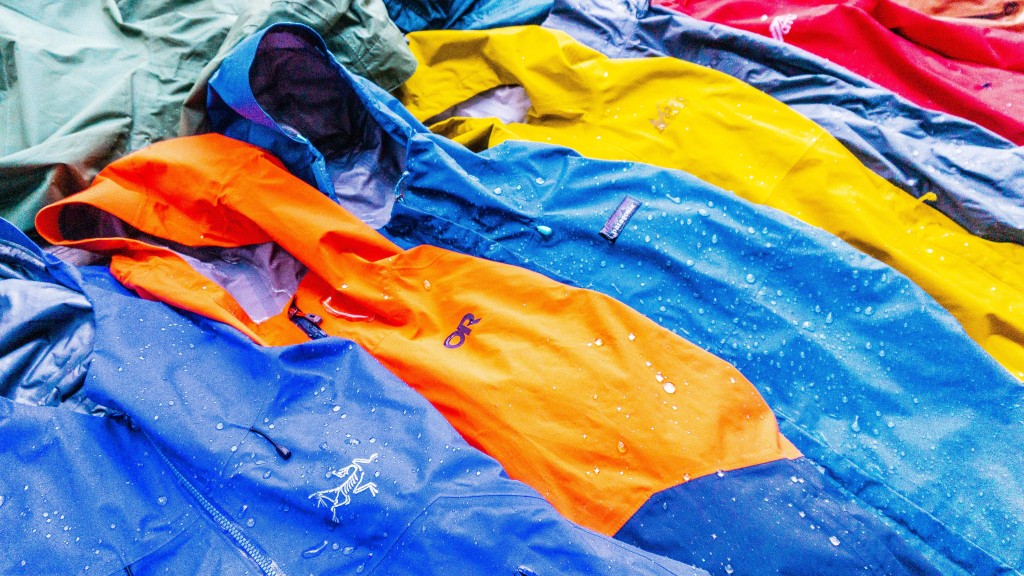
Understanding the trade-offs inherent in lightweight rain jacket design helps set appropriate expectations and guides purchasing decisions based on your specific needs and priorities.
Advantages of Lightweight Rain Jackets
- Exceptional Packability: Most models compress to the size of a water bottle, making them ideal for space-conscious packing.
- Versatile Layering: Work seamlessly as outer shells in multi-layer systems for changing conditions.
- Reduced Pack Weight: Enable longer adventures by minimizing gear weight without sacrificing weather protection.
- Quick Deployment: Easy to put on quickly when weather changes unexpectedly during outdoor activities.
- Year-Round Utility: Serve as wind layers in dry conditions and rain protection in wet weather.
Limitations of Lightweight Designs
- Durability Compromises: Thinner fabrics are more susceptible to tears and abrasion damage than heavier alternatives.
- Limited Breathability: Even the best lightweight jackets can't match the ventilation of softshells or fleece layers.
- Feature Reductions: Often lack multiple pockets, reinforcements, or adjustability features found in heavier models.
- Fit Challenges: Streamlined designs may not accommodate bulky insulation layers underneath.
- Price Premium: Advanced lightweight materials often command higher prices than traditional rain gear.
The most significant trade-off in lightweight rain jacket design involves balancing waterproofness with breathability. Physics dictates that truly waterproof materials inherently resist moisture transfer in both directions. While modern membranes have improved dramatically, they still can't match the ventilation provided by non-waterproof alternatives. Gore-Tex options represent the current gold standard for balancing these competing demands.
Durability concerns become more pronounced with ultralight designs. During my testing, I've noticed that jackets under 8 ounces require more careful handling around sharp rocks, thorny vegetation, and abrasive surfaces. However, for most hiking and backpacking applications, this fragility rarely becomes a significant issue with reasonable care. Insulated rain jackets offer better durability but sacrifice the packability that makes lightweight options so appealing.
Cost considerations vary dramatically across the lightweight rain jacket spectrum. Budget options under $50 can provide adequate emergency protection but often lack the refinements that enhance user experience. Premium jackets approaching $300+ offer superior materials and construction but may not justify the expense for casual users. The sweet spot for most outdoor enthusiasts lies in the $100-200 range, where quality materials meet thoughtful design.
Understanding these trade-offs helps inform purchasing decisions. Ultralight backpackers often accept reduced durability in exchange for weight savings, while day hikers might prioritize comfort and features over absolute minimalism. The key is matching jacket capabilities to your specific use patterns and priorities. Specialized lightweight waterproof designs continue evolving to address these compromises through innovative materials and construction techniques.
Frequently Asked Questions
What weight qualifies as a "lightweight" rain jacket?
Generally, lightweight rain jackets weigh between 6-14 ounces, while ultralight models weigh under 8 ounces. Traditional rain jackets typically weigh 1-2 pounds or more. The weight reduction comes from using thinner face fabrics, minimal features, and advanced membrane technologies. For most backpackers and hikers, anything under 12 ounces provides excellent packability while maintaining reasonable durability. Ultralight options under 6 ounces excel for emergency use and weight-conscious adventures but require more careful handling.
How do I maintain the waterproof coating on my rain jacket?
Regular maintenance of the DWR (Durable Water Repellent) coating is essential for optimal performance. Wash your jacket with technical wash products like Nikwax Tech Wash, avoiding fabric softeners and detergents. After washing, tumble dry on low heat or hang dry completely, then apply a DWR treatment spray or wash-in product. Signs that DWR needs refreshing include water absorbing into the fabric rather than beading up and rolling off. With proper care, quality jackets maintain their water resistance for many years of regular use.
Are expensive rain jackets really worth the extra cost?
Premium rain jackets justify their higher cost through superior materials, construction quality, and design refinements. Expensive models typically offer better breathability, more durable waterproof membranes, reinforced high-wear areas, and thoughtful features like better pocket placement and hood adjustability. However, budget options can provide adequate protection for casual use. The value proposition depends on your usage frequency, activity intensity, and quality expectations. For occasional use, mid-range options often provide the best balance of performance and value.
Can I use a rain jacket as my only outer layer for winter hiking?
Rain jackets excel as outer shells in layering systems but shouldn't be your only insulation for cold weather hiking. They work best over insulating layers like fleece or down jackets to trap warm air while providing wind and moisture protection. Some models designed for mountaineering offer more room for layering underneath. For winter conditions, look for jackets with longer cuts, articulated arms, and features like powder skirts. The layering approach provides more versatility than single heavy jackets for varying conditions and activity levels.
What's the difference between 2-layer, 2.5-layer, and 3-layer construction?
Construction differences significantly impact performance and comfort. 2-layer jackets bond the waterproof membrane to the outer fabric with a separate mesh lining, offering good comfort but increased weight. 2.5-layer designs add a protective coating or print to the membrane's interior, reducing weight while maintaining some protection, though they can feel clammy against skin. 3-layer jackets laminate the membrane between outer and inner fabrics, providing the best durability, comfort, and performance but at higher cost and weight. For serious outdoor use, 3-layer construction offers the best long-term value.
Conclusion
After extensive field testing and analysis, the best men's lightweight rain jacket ultimately depends on your specific needs, budget, and intended use. For most outdoor enthusiasts, the Patagonia Torrentshell 3L offers the ideal combination of performance, durability, and value. Its three-layer construction, excellent breathability, and proven track record make it suitable for everything from day hikes to multi-week expeditions.
Budget-conscious adventurers will find excellent value in the Columbia Watertight II, which provides reliable waterproof protection for casual outdoor activities. Weight-obsessed ultralight backpackers should seriously consider the Outdoor Research Helium for its incredible packability and emergency-layer versatility, though it requires more careful use than burlier alternatives.
The key to selecting the right lightweight rain jacket lies in honestly assessing your priorities. Do you need maximum weather protection for serious mountain adventures, or just reliable coverage for weekend day hikes? Will you use it frequently enough to justify premium features and materials, or do you need basic emergency protection at minimal cost? Consider your local climate, typical activities, and gear preferences when making this important decision.
Remember that even the best lightweight rain jacket is just one component of a complete outdoor clothing system. Proper layering techniques, appropriate base layers, and understanding your jacket's limitations are equally important for staying comfortable in challenging conditions. Quality rain gear is an investment in both safety and enjoyment during outdoor adventures.
Whatever jacket you choose, take time to test it in various conditions before depending on it for serious adventures. Practice putting it on quickly, learn how its ventilation systems work, and understand its waterproof limits. With the right lightweight rain jacket and proper knowledge of its capabilities, you'll be prepared to enjoy outdoor adventures regardless of what weather Mother Nature sends your way. Stay dry, stay safe, and keep exploring!
Ready to Find Your Perfect Rain Jacket?
Don't let unpredictable weather ruin your outdoor adventures. Invest in quality rain protection that will keep you dry and comfortable for years to come.
View Our Top Recommendations