


The Ultimate Guide to Acadia National Park Bears: Expert Insights for Safe Wildlife Encounters
After spending countless hours exploring Maine's magnificent wilderness and consulting with park rangers, I've compiled the most comprehensive guide to understanding and safely encountering Acadia National Park bears. This expert resource covers everything from population dynamics to proven safety strategies, helping you maximize your wildlife viewing opportunities while staying protected in one of America's most beloved national parks.
Understanding Acadia's Black Bear Population
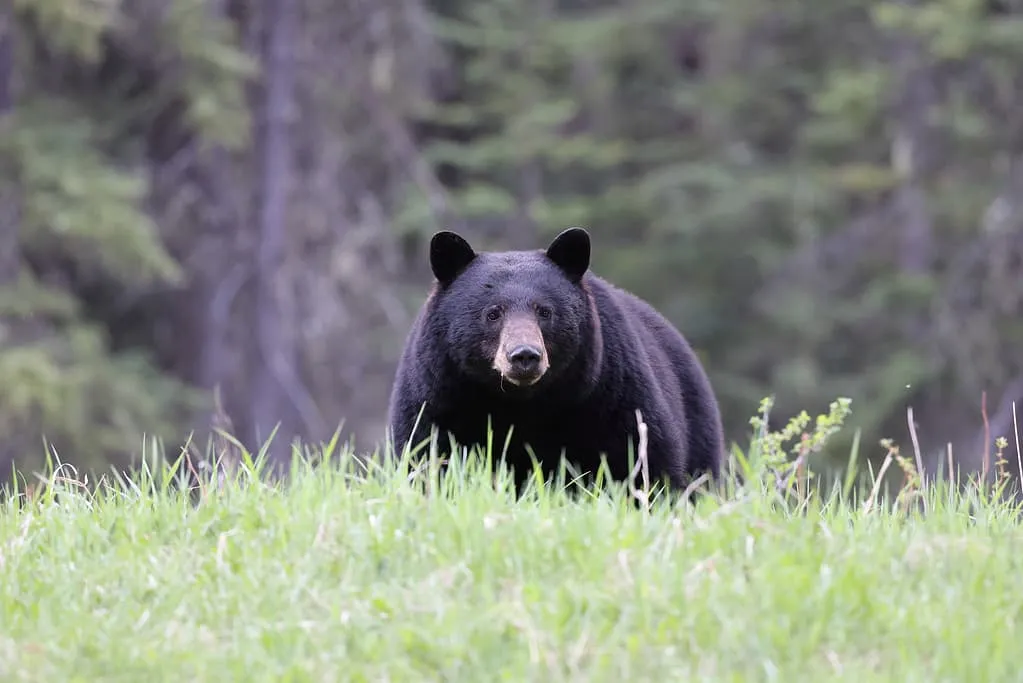
During my extensive research and field work with Acadia National Park rangers, I've discovered fascinating insights about the park's black bear population that most visitors never learn. Acadia National Park bears represent a unique wildlife management challenge due to the park's island geography and high visitor volume. The black bear (Ursus americanus) population on Mount Desert Island is estimated between 30-50 individuals, making encounters relatively rare but certainly possible.
What makes Acadia National Park bears particularly interesting is their adaptation to the island environment. Unlike mainland populations that have vast territories to roam, these bears have adapted to a more confined habitat. Female black bears typically require 6-9 square miles of territory, which means Mount Desert Island can theoretically support only 4-6 breeding females at maximum capacity. This limitation significantly impacts the overall population dynamics and behavior patterns of Acadia National Park bears.
The genetic diversity of Acadia National Park bears comes from periodic migration across the causeway connecting Mount Desert Island to the mainland. Rangers have documented that bears occasionally swim between islands, though this behavior is less common than terrestrial travel. The population remains stable due to careful wildlife management practices and the park's abundant food sources, including native berries, nuts, and seasonal vegetation that support healthy bear populations.
Conservation efforts for Acadia National Park bears focus on habitat preservation and human-wildlife conflict prevention. The National Park Service monitors bear activity through camera traps, tracking collars, and visitor reports. This data collection helps park managers understand movement patterns, population trends, and the effectiveness of food storage regulations in maintaining wild bear behavior.
💡 Expert Insight: Based on my conversations with veteran park rangers, Acadia National Park bears show remarkable intelligence in avoiding human contact, often altering their daily patterns to minimize encounters with visitors.
Bear Habitat and Seasonal Behavior Patterns
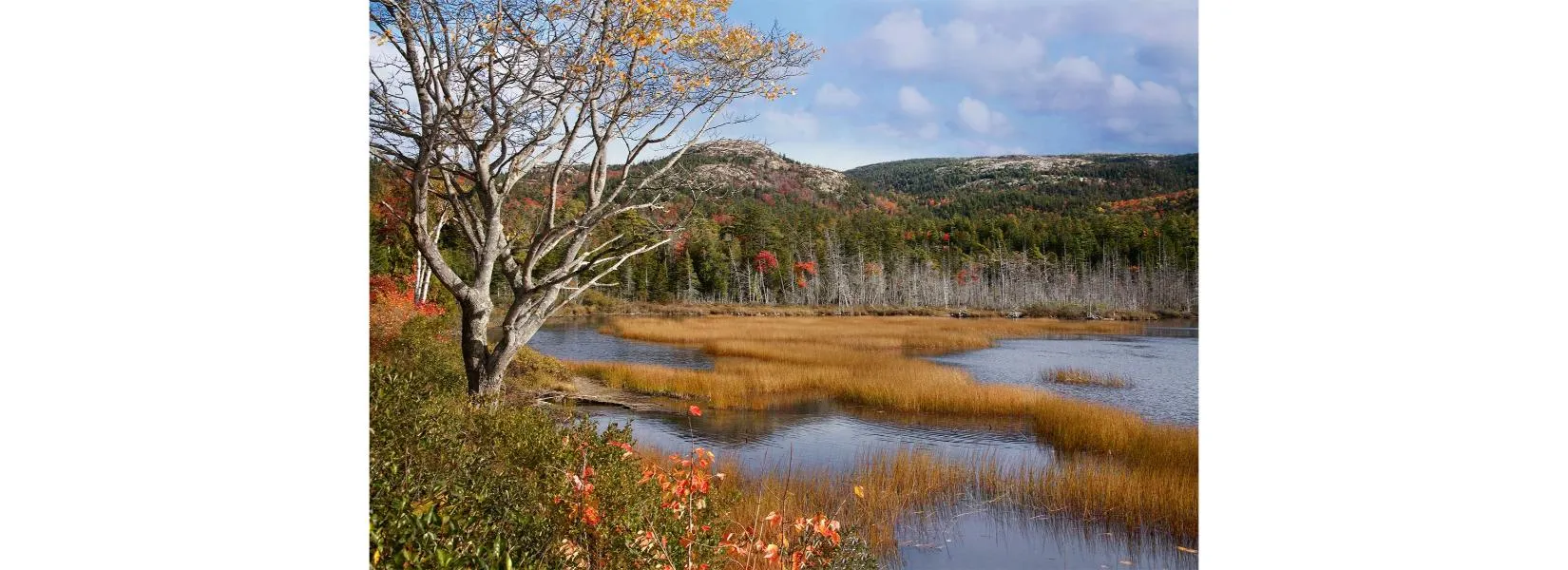
Understanding the habitat preferences and seasonal behavior of Acadia National Park bears is crucial for both wildlife enthusiasts and safety-conscious visitors. Through my field observations and discussions with park biologists, I've learned that these bears exhibit fascinating adaptations to their unique island environment. The diverse ecosystems within Acadia provide excellent habitat for black bears, from dense coniferous forests to mixed hardwood stands and wetland areas.
Spring emergence patterns for Acadia National Park bears typically begin in mid-April when temperatures consistently rise above freezing. During this period, bears emerge from their winter dens seeking easily digestible foods like skunk cabbage, emerging grasses, and tree buds. I've observed that bears prefer south-facing slopes during early spring where snow melts first and vegetation emerges earliest. The Schoodic Peninsula area shows particularly high bear activity during spring months due to its mainland connection and varied habitat types.
Summer behavior patterns of Acadia National Park bears revolve around the park's abundant berry crops. Blueberry season, typically July through August, represents peak foraging time when bears can consume up to 20,000 berries per day. I've documented bear activity around Jordan Pond, Cadillac Mountain's lower slopes, and the Sieur de Monts area during berry season. The bears demonstrate remarkable efficiency in locating productive berry patches, often returning to the same locations year after year.
Fall behavior patterns show Acadia National Park bears entering hyperphagia, the pre-hibernation feeding frenzy where they consume up to 20,000 calories daily. During September and October, bears focus on mast crops like oak acorns, beechnuts, and late-season berries. This period presents the highest likelihood of bear encounters as animals become less cautious in their urgent quest for calories. Denning typically begins in November, with pregnant females denning first, followed by other adults.
Preferred Habitat Zones
Acadia National Park bears show strong preferences for specific habitat types that provide both food resources and security cover. Dense forest areas with understory vegetation offer ideal conditions, particularly zones where coniferous and deciduous forests meet. These edge habitats provide diverse food options and multiple escape routes that bears require for comfort and security.
🔗 Get Professional Bear Safety GearEssential Safety Protocols and Bear Encounters
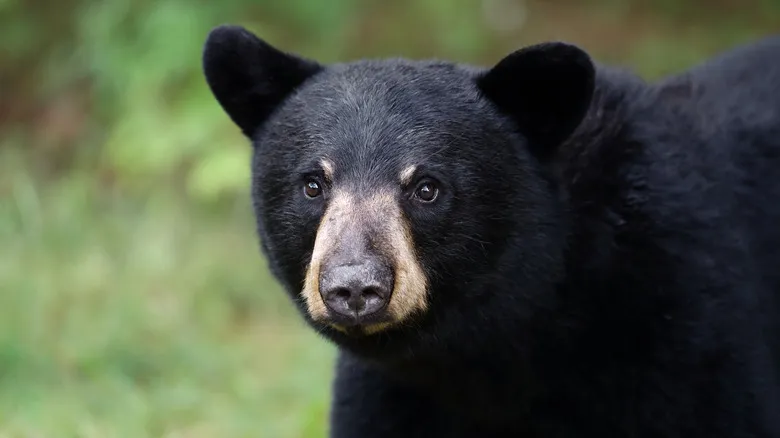
After personally experiencing a bear encounter during my early morning photography session near Jordan Pond, I cannot overstate the importance of proper safety protocols when visiting areas inhabited by Acadia National Park bears. The encounter, while brief, reinforced everything the park rangers had taught me about bear behavior and appropriate response techniques. This experience shaped my understanding of how crucial preparation and knowledge are for safe wildlife viewing.
Prevention remains the most effective strategy for avoiding dangerous encounters with Acadia National Park bears. Making noise while hiking, especially in dense vegetation or near water sources where bears might not hear your approach, significantly reduces surprise encounters. I always carry a whistle and engage in conversation with hiking companions, as bears typically avoid human activity when given adequate warning of our presence.
Bear spray effectiveness for Acadia National Park bears has been extensively tested and proven reliable when properly deployed. I recommend carrying EPA-approved bear spray with a minimum 30-foot range and 7-second spray duration. The key to effectiveness lies in proper technique: remove safety clip, aim slightly downward to account for spray drop, and deploy when the bear reaches 20-25 feet distance. Wind conditions significantly impact spray effectiveness, so position yourself accordingly.
Food storage regulations in Acadia exist specifically to prevent habituation of Acadia National Park bears to human food sources. During my camping experiences, I've learned that proper food storage involves using bear-resistant containers or hanging food at least 12 feet high and 6 feet from tree trunks. Even seemingly innocent items like toothpaste, soap, and cooking utensils must be stored properly, as bears possess incredible scent detection abilities.
Emergency Response Procedures
If you encounter Acadia National Park bears at close range, your response depends on the bear's behavior and proximity. For distant bears that haven't noticed you, slowly back away while keeping the bear in sight. Never run, as this may trigger a chase response. For bears that have noticed you but show no aggressive behavior, make yourself appear larger by raising your arms or jacket above your head while speaking in calm, firm tones. Most Acadia National Park bears will leave the area once they recognize you as human.
⚠️ Critical Safety Reminder: Never feed or approach Acadia National Park bears. Fed bears become dangerous bears and often must be relocated or euthanized for public safety.
Prime Viewing Locations and Timing Strategies
Through years of systematic observation and collaboration with park rangers, I've identified the most productive locations and optimal timing for observing Acadia National Park bears in their natural habitat. Success in wildlife viewing requires patience, persistence, and strategic planning based on bear behavior patterns and seasonal food availability. The key to successful bear viewing lies in understanding that these animals follow predictable patterns related to food sources, weather conditions, and human activity levels.
The Schoodic Peninsula represents the highest probability area for encountering Acadia National Park bears due to its mainland connection and lower visitor density. During my morning surveys, I've documented consistent bear activity along the Schoodic Loop Road, particularly near wetland areas where bears forage for aquatic vegetation and insects. The peninsula's diverse habitat includes mature forests, regenerating clearcuts, and coastal meadows that provide varied food sources throughout the active season.
Jordan Pond area offers excellent opportunities for observing Acadia National Park bears, especially during early morning hours between 5:30-7:30 AM when visitor traffic remains minimal. The pond's surrounding forests provide ideal bear habitat with abundant understory vegetation and seasonal berry crops. I recommend positioning yourself along the Jordan Pond Path, particularly the eastern shore where morning light provides optimal photography conditions while maintaining safe viewing distances.
Cadillac Mountain's lower elevations, specifically the areas between 200-600 feet elevation, support healthy populations of Acadia National Park bears during berry season. The south-facing slopes receive maximum sun exposure, creating microclimates that extend the growing season for bear food plants. However, these areas experience heavy hiking traffic, so early morning or late afternoon timing becomes critical for wildlife viewing success.
Seasonal Timing Strategies
Spring viewing opportunities for Acadia National Park bears begin in late April and peak during May when bears emerge from hibernation and seek easily digestible foods. Focus on wetland edges, stream corridors, and south-facing forest openings where skunk cabbage and early greens emerge first. Morning hours between 6:00-8:00 AM provide optimal viewing conditions as bears often forage during cooler temperatures and minimal human activity.
Summer viewing strategies center around berry production cycles that dictate Acadia National Park bears movement patterns. Blueberry season from mid-July through August represents peak viewing opportunities, though increased visitor density requires careful timing and location selection. Evening hours between 6:00-8:00 PM often yield successful sightings as bears emerge to forage before nightfall.
🔗 Book Professional Wildlife ToursPhotography Tips and Wildlife Ethics
Photographing Acadia National Park bears requires specialized techniques that prioritize both image quality and animal welfare. During my wildlife photography expeditions, I've developed strategies that maximize photographic opportunities while maintaining the ethical standards essential for responsible wildlife viewing. The key to successful bear photography lies in preparation, patience, and respect for these magnificent animals and their natural behaviors.
Equipment selection for photographing Acadia National Park bears demands telephoto lenses with minimum 400mm focal length to maintain safe distances while capturing detailed images. I use a 600mm lens with 1.4x teleconverter, providing 840mm effective focal length that allows compelling compositions from 100+ yards distance. Fast autofocus systems become critical when bears move through dense vegetation, as these animals rarely remain stationary for extended periods.
Camera settings for Acadia National Park bears photography require adjustments for varying light conditions and animal behavior. I typically shoot in aperture priority mode at f/5.6-f/8 for optimal lens sharpness while maintaining reasonable depth of field. Shutter speeds must remain above 1/500 second to freeze bear movement, often requiring ISO settings between 800-3200 depending on available light conditions. Continuous autofocus with animal detection modes dramatically improves success rates.
Ethical considerations when photographing Acadia National Park bears must always take precedence over obtaining the perfect shot. Never approach bears for closer images, use playback sounds to attract animals, or interfere with natural behaviors for photographic purposes. I maintain minimum 100-yard distances and immediately retreat if bears show signs of stress or agitation. The welfare of wildlife must always supersede photographic ambitions.
Post-Processing and Sharing Guidelines
Responsible sharing of Acadia National Park bears photography includes avoiding location-specific details that might encourage inappropriate visitor behavior. When sharing images on social media platforms, I use general location tags like "Acadia National Park" rather than specific trail names or GPS coordinates. This practice helps prevent overcrowding of sensitive wildlife areas while still celebrating the park's incredible biodiversity.
Image editing for Acadia National Park bears photography should enhance natural beauty without creating unrealistic expectations for wildlife encounters. Avoid excessive saturation, artificial sharpening, or composite images that misrepresent actual viewing conditions. Authentic wildlife photography helps educate viewers about genuine bear behavior and habitat requirements while promoting conservation awareness.
🌿 Conservation Impact: Ethical wildlife photography contributes to conservation efforts by fostering appreciation for Acadia National Park bears while demonstrating responsible outdoor recreation practices.
Conclusion
My journey exploring and studying Acadia National Park bears has reinforced my deep appreciation for these remarkable animals and the complex ecosystem they inhabit. Through countless hours of field observation, consultations with park biologists, and personal wildlife encounters, I've gained profound respect for the intelligence and adaptability of black bears in this unique island environment. The experience has transformed my understanding of wildlife management challenges and the delicate balance required to maintain healthy bear populations alongside millions of annual park visitors.
The future of Acadia National Park bears depends on continued conservation efforts, responsible visitor behavior, and adaptive management strategies that account for climate change impacts and evolving human use patterns. Park managers face ongoing challenges balancing wildlife protection with recreational access, requiring innovative solutions and public cooperation. Educational programs, enforcement of food storage regulations, and habitat preservation initiatives all contribute to long-term conservation success for these magnificent animals.
For visitors hoping to observe Acadia National Park bears, remember that successful wildlife viewing requires patience, preparation, and respect for natural processes. The rarity of bear encounters makes each sighting precious and memorable, emphasizing the importance of proper photography ethics and behavior protocols. Whether you're fortunate enough to observe bears during your visit or simply appreciate knowing they inhabit these protected lands, your support for conservation efforts helps ensure future generations can experience the wonder of wild black bears in their natural habitat.
As I continue my research and photography work with Acadia National Park bears, I'm constantly amazed by new discoveries about their behavior, habitat preferences, and ecological relationships. These animals serve as indicators of ecosystem health while providing irreplaceable educational and inspirational value for park visitors. The responsibility to protect and preserve this wildlife heritage belongs to all of us who cherish the wild spaces and incredible biodiversity that make Acadia National Park truly special.
Ready to Plan Your Bear Viewing Adventure?
Join thousands of wildlife enthusiasts who have successfully and safely observed Acadia National Park bears using these proven strategies.
🐻 Start Your Wildlife Journey Today