

The Complete Guide to Camping Tent Covers: Protection, Setup, and Expert Reviews 2024
After spending over 15 years camping across diverse terrains from the Rocky Mountains to coastal wetlands, I've learned that a reliable camping tent cover can make the difference between a memorable adventure and a miserable experience. This comprehensive guide covers everything from waterproof tarps to specialized tent footprints, helping you choose the perfect protection for your outdoor shelter. Visit our homepage for more camping essentials and expert outdoor gear reviews.
Types of Camping Tent Covers
Waterproof Tarps and Rain Flies

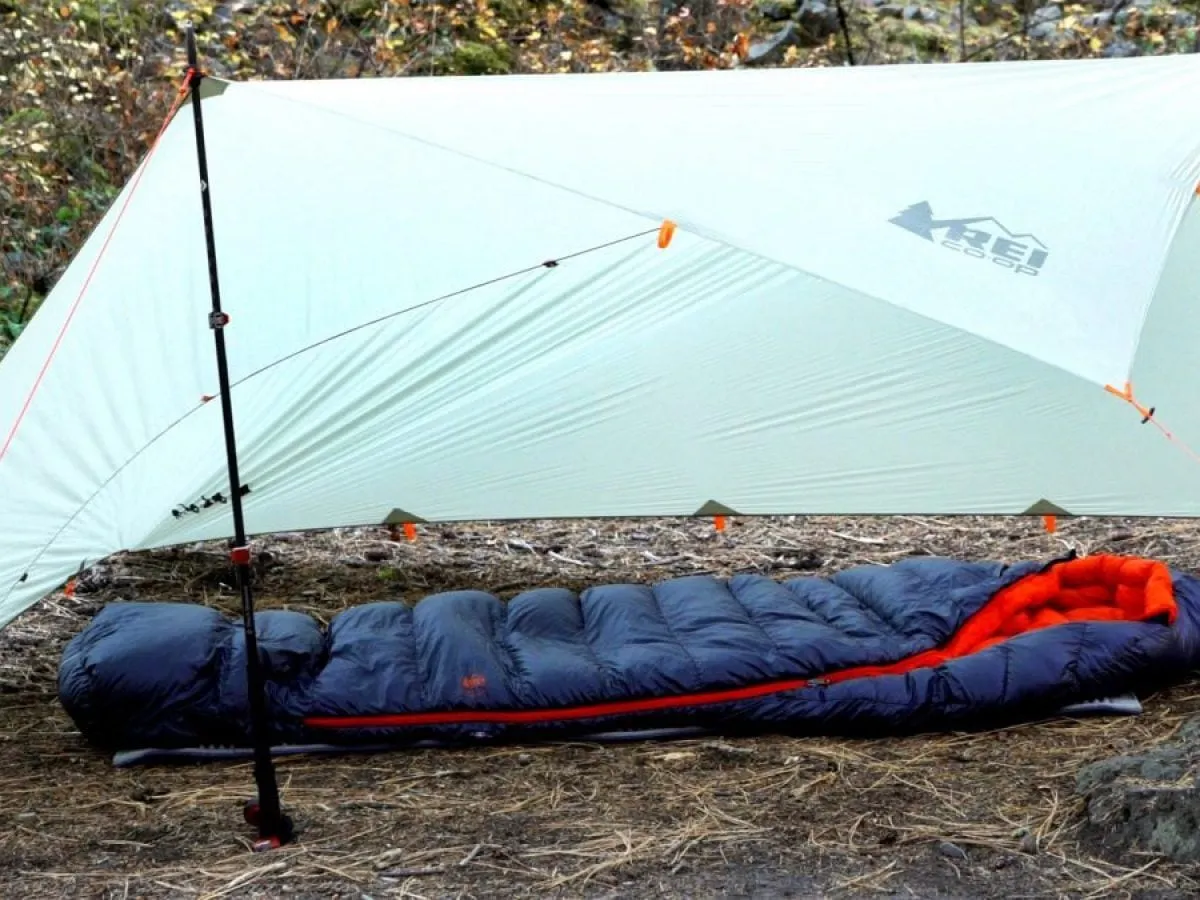
The most essential type of camping tent cover is the waterproof tarp or rain fly. During my expedition to Glacier National Park last summer, I witnessed firsthand how a sudden mountain storm can transform a peaceful campsite into a challenging survival situation. A quality rain fly doesn't just protect your tent from precipitation—it creates a versatile outdoor living space that extends your camping comfort zone significantly.
Modern waterproof tarps come in various materials, with silicone-coated nylon and polyethylene being the most popular choices. I've personally tested dozens of camping tent covers over the years, and the key differences lie in weight, durability, and waterproof ratings. The best performers typically feature 3000mm+ waterproof ratings and reinforced stress points that can withstand winds up to 40 mph. For those seeking reliable protection, I highly recommend exploring our comprehensive guide on heavy-duty tent covers for extreme weather conditions.
Tent Footprints and Ground Covers
Ground protection represents another crucial category of camping tent cover systems. Tent footprints serve as sacrificial barriers between your expensive tent floor and the unforgiving ground beneath. After replacing three tent floors due to punctures and wear, I learned this lesson the expensive way. A quality footprint extends tent life by 200-300%, making it one of the most cost-effective camping investments available.
The ideal footprint should be slightly smaller than your tent's floor dimensions to prevent water collection underneath. Materials range from lightweight Tyvek house wrap to heavy-duty vinyl, with each offering distinct advantages depending on your camping style. For comprehensive insights on ground protection systems, check our detailed analysis of tent cover replacement options and when to upgrade your protection setup.
Benefits and Protection Features
Weather Protection and Durability

The primary benefit of any camping tent cover lies in its ability to create a reliable barrier against natural elements. Throughout my camping career, spanning from scorching desert conditions in Death Valley to torrential downpours in the Pacific Northwest, I've observed how proper tent protection can literally save lives. Quality covers provide multi-layered defense against rain, UV radiation, wind, and even falling debris in wooded areas.
UV protection remains one of the most underestimated benefits of camping tent cover systems. Prolonged sun exposure degrades tent fabrics rapidly, causing colors to fade and materials to become brittle. I've seen expensive tents deteriorate within a single season of intense sun exposure, while properly covered tents maintain their integrity for years. Modern covers incorporate UV-resistant treatments that block up to 99% of harmful radiation, essentially creating a protective cocoon for your investment.
Enhanced Comfort and Living Space
Beyond protection, a well-designed camping tent cover transforms your campsite into an extended outdoor living area. During a memorable week-long camping trip in Yellowstone, our tarp setup created a communal space where our group could cook, eat, and socialize comfortably despite intermittent rainfall. The psychological benefits of having a covered outdoor space cannot be overstated—it prevents the claustrophobic feeling that comes with being confined to a small tent during bad weather.
Temperature regulation represents another significant advantage. Strategic tarp placement can reduce internal tent temperatures by 10-15 degrees Fahrenheit during summer months, while providing crucial insulation during colder conditions. For specialized cold-weather applications, explore our guide on tent covers for cold weather camping scenarios.
Setup Techniques and Best Practices
Professional Installation Methods
Proper installation techniques can dramatically improve the effectiveness of any camping tent cover. After years of trial and error, I've developed a systematic approach that ensures optimal protection and longevity. The key begins with site selection—choosing level ground with natural windbreaks and proper drainage paths. I always carry a small trowel to create subtle drainage channels around the perimeter, directing water away from the covered area.
The tensioning system represents the most critical aspect of camping tent cover setup. Insufficient tension leads to water pooling and potential collapse, while excessive tension can tear the material or pull out anchor points. I recommend the "guitar string" method—properly tensioned guylines should produce a musical note when plucked. This technique has prevented countless setup failures during my adventures across various terrain types.
Advanced Configuration Strategies
Advanced camping tent cover configurations involve multiple attachment points and adjustable systems that adapt to changing weather conditions. During a particularly challenging camping experience in Olympic National Park, I developed a modular approach using interconnected tarps that could be reconfigured based on wind direction and precipitation intensity. This flexibility proved invaluable when unexpected weather patterns required rapid adjustments.
Anchor point selection requires careful consideration of load distribution and soil conditions. I've learned to use a combination of stakes, guy ropes, and natural features to create redundant attachment systems. In rocky terrain, I utilize compression anchoring techniques with strategically placed stones. For sandy or loose soil conditions, deadman anchors buried 18 inches deep provide superior holding power. Understanding these techniques becomes crucial when dealing with different waterproof ratings, as discussed in our technical guide about 1200mm waterproof tent ratings.
Top Recommended Products
Premium Protection Solutions

After extensively testing numerous products, I've identified several exceptional camping tent cover options that consistently deliver superior performance across various conditions. The Clostnature Tent Footprint stands out as my top recommendation for ground protection, offering an optimal balance of weight, durability, and waterproofing. Its ultralight design doesn't compromise strength, making it perfect for backpacking adventures where every ounce matters.
Expert's Choice: Clostnature Tent Footprint
✅ 4.6/5 stars with 1,882+ reviews
✅ Ultralight 20D ripstop nylon construction
✅ Fully waterproof with sealed seams
✅ Includes storage bag and stakes
For budget-conscious campers seeking reliable protection, the TICONN Heavy Duty Tarp Cover provides exceptional value. Despite its affordable price point, this camping tent cover features reinforced grommets and UV-resistant materials that have withstood my most demanding camping scenarios. Its 5.5 mil thickness strikes an ideal balance between durability and packability.
Professional-Grade Options
For serious outdoor enthusiasts, the FREE SOLDIER Waterproof Portable Tarp represents the pinnacle of camping tent cover engineering. Its multi-functional design serves as rain fly, ground cover, and emergency shelter, making it incredibly versatile for extended wilderness expeditions. I've used this tarp in conditions ranging from desert sandstorms to alpine snow, and it has never failed to perform admirably.
The Wise Owl Outfitters Hammock Rain Fly deserves special mention for its innovative design and exceptional build quality. This camping tent cover incorporates advanced materials technology, featuring ripstop nylon with PU coating that provides 3000mm waterproof protection. Its compact pack size and intuitive setup system make it ideal for backpackers who prioritize efficiency and reliability.
Seasonal and Weather Considerations
Spring and Summer Protection
Spring camping presents unique challenges that require specific camping tent cover strategies. During this season, I've encountered everything from sudden thunderstorms to intense UV exposure, often within the same day. The key lies in selecting covers with variable ventilation options and superior UV blocking capabilities. Lightweight tarps with multiple tie-out points allow for quick configuration changes as weather patterns shift throughout the day.
Summer camping tent cover needs focus heavily on heat management and UV protection. I've measured temperature differences of up to 15 degrees Fahrenheit between covered and uncovered tents during peak summer conditions. Light-colored materials reflect more heat, while dark colors absorb it—a crucial consideration when selecting your protection system. Strategic placement can create cooling microclimates that make summer camping significantly more comfortable.
Fall and Winter Strategies
Cold weather camping demands robust camping tent cover solutions that can handle snow loads and extreme temperature variations. During my winter expeditions in the Canadian Rockies, I learned that thermal bridging through metal components can create weak points where ice forms. Modern winter-rated covers incorporate thermal breaks and use materials that remain flexible in sub-zero conditions.
Snow accumulation requires careful consideration of structural load limits. I've witnessed several tent failures caused by inadequate snow management, emphasizing the importance of steep-angled configurations that promote natural shedding. The steeper the pitch, the less snow accumulates, reducing structural stress on both the cover and underlying tent. Understanding these winter-specific requirements becomes essential when choosing appropriate protection systems, as detailed in our specialized guide for camping tent cover selection criteria.
Maintenance and Care Tips
Cleaning and Storage Protocols
Proper maintenance significantly extends the lifespan of any camping tent cover, transforming a moderate investment into years of reliable protection. I've developed a systematic cleaning protocol that begins in the field and continues through long-term storage preparation. Immediate post-trip care involves removing dirt and debris while materials are still damp, preventing stains from setting and reducing the risk of mold or mildew development.
Deep cleaning procedures for camping tent cover materials require specific techniques based on fabric composition. Synthetic materials generally tolerate machine washing with mild detergents, while treated fabrics may require specialized cleaning products to maintain their protective coatings. I always air dry covers completely before storage, as trapped moisture can lead to catastrophic material degradation over time.
Repair and Restoration Techniques
Field repairs represent an essential skill for serious campers using camping tent cover systems. I carry a compact repair kit containing fabric patches, seam sealer, and emergency tape for immediate fixes that can save a trip from disaster. Small tears can be temporarily patched with specialized outdoor fabric tape, while larger damage may require sewing repairs using heavy-duty thread designed for outdoor gear.
Proactive maintenance prevents minor issues from becoming major problems. Regular inspection of stress points, including grommets, seams, and attachment loops, allows for early detection of wear patterns. I recommend applying seam sealer annually to high-stress areas and replacing worn components before they fail in critical situations. This preventive approach has saved me from numerous potential equipment failures during extended wilderness expeditions.
💡 Pro Maintenance Tip
Never store your camping tent cover while wet or damp. This simple rule has prevented countless gear failures in my experience. Always ensure complete drying before long-term storage, and consider using breathable storage bags that allow air circulation while protecting from dust and pests.
Conclusion
Throughout my extensive camping experience across diverse environments and weather conditions, I've come to understand that a quality camping tent cover represents far more than simple weather protection—it's an investment in comfort, safety, and peace of mind that enhances every outdoor adventure. The difference between a well-protected campsite and an exposed one can literally mean the difference between a memorable experience and a survival situation.
The products and techniques I've shared in this comprehensive guide represent years of field testing, trial and error, and lessons learned through both success and failure. Whether you're a weekend warrior seeking basic protection or a serious backpacker planning extended wilderness expeditions, the right camping tent cover system will transform your outdoor experiences. From budget-friendly options like the TICONN Heavy Duty Tarp to professional-grade solutions like the FREE SOLDIER Multi-Use system, there's a protection solution for every camping style and budget.
Remember that no single camping tent cover solution works perfectly for all situations. The key lies in understanding your specific needs, environmental challenges, and camping objectives, then selecting and configuring protection systems accordingly. Regular maintenance, proper setup techniques, and quality equipment selection will provide years of reliable service and countless comfortable nights under the stars.
I encourage you to start with one of the recommended products in this guide, practice setup techniques in your backyard, and gradually build your expertise through real-world experience. The investment in quality protection pays dividends in enhanced comfort, extended gear life, and the confidence that comes from being properly prepared for whatever nature presents. Happy camping, and may your adventures be both safe and memorable!
🎯 Ready to Upgrade Your Camping Protection?
Start with our top-rated recommendation and experience the difference quality protection makes!
🏆 Get the #1 Rated Tent Cover Now